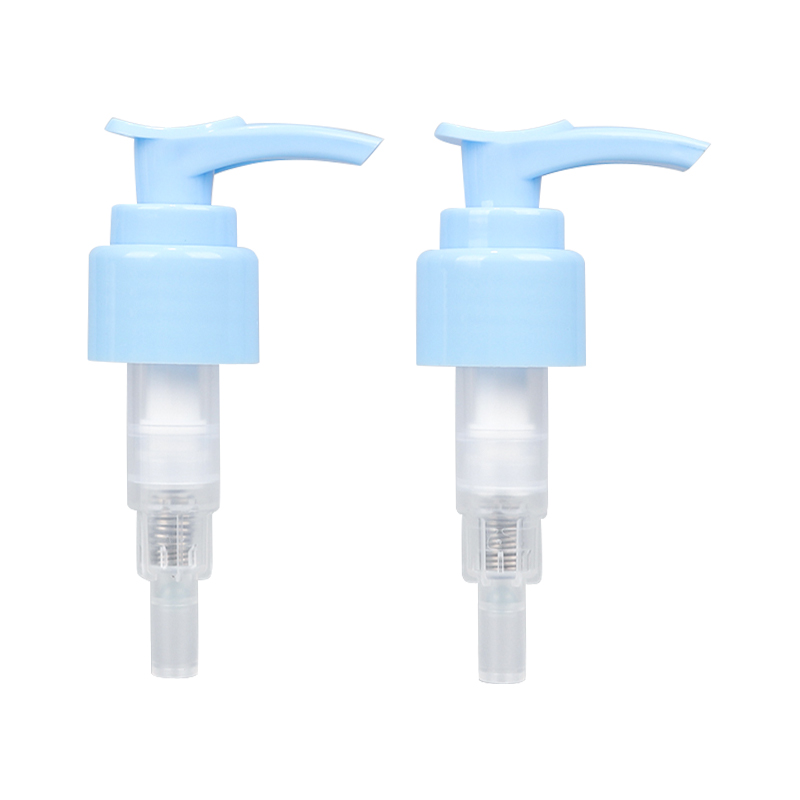
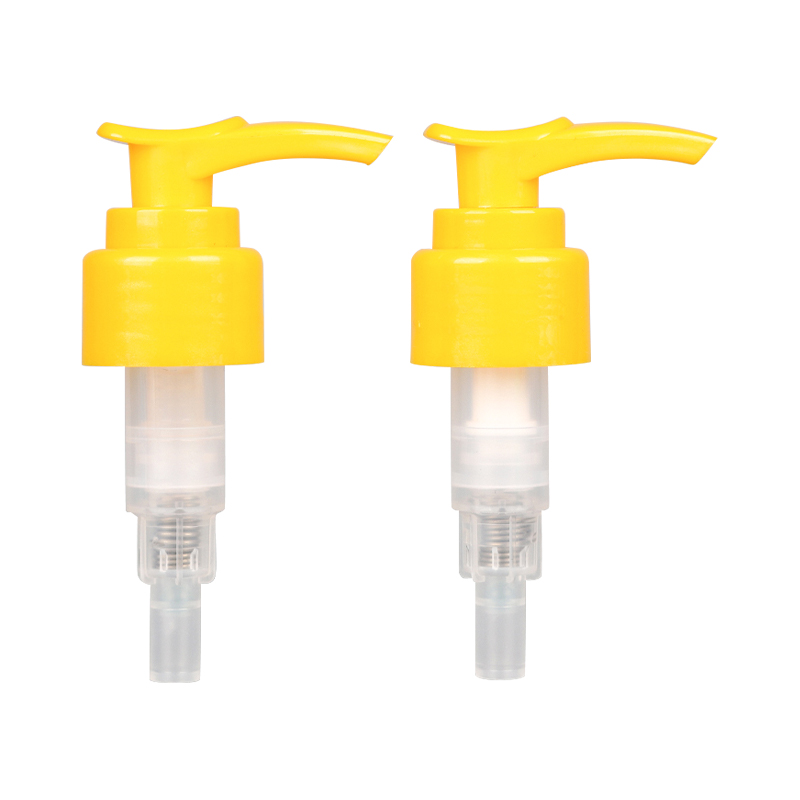
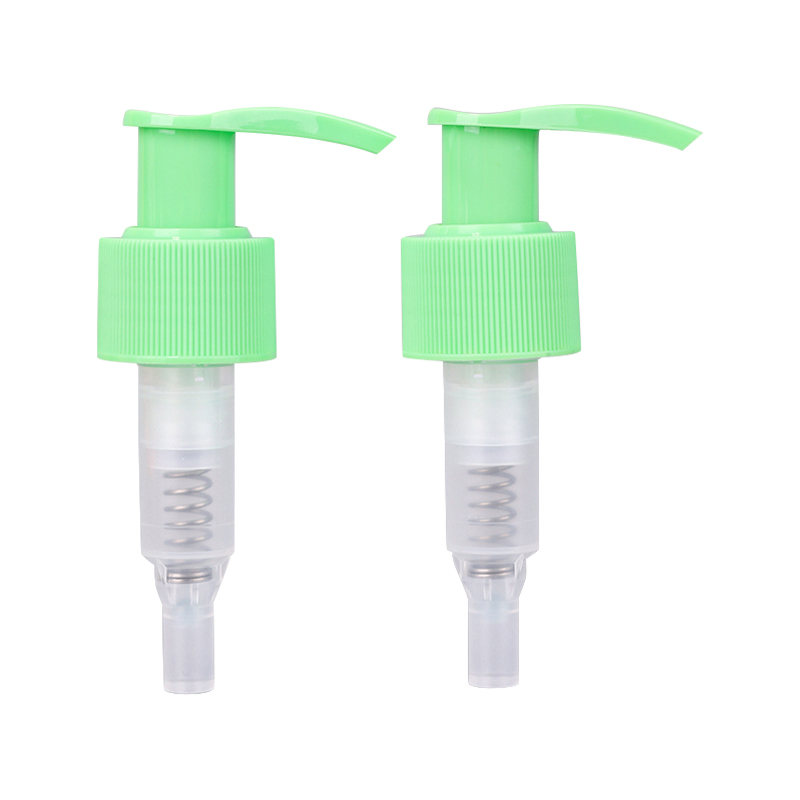
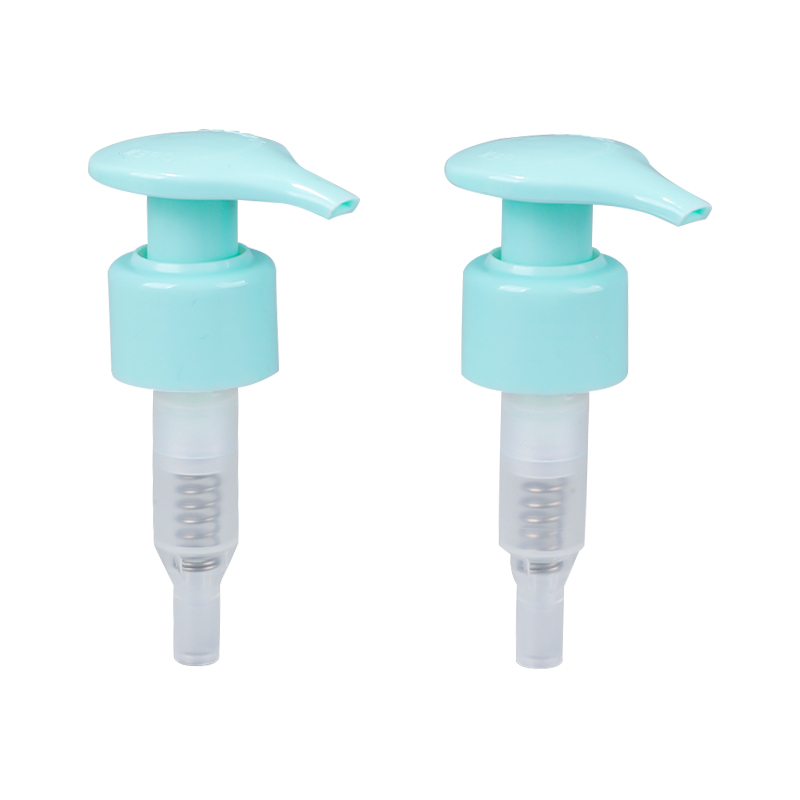
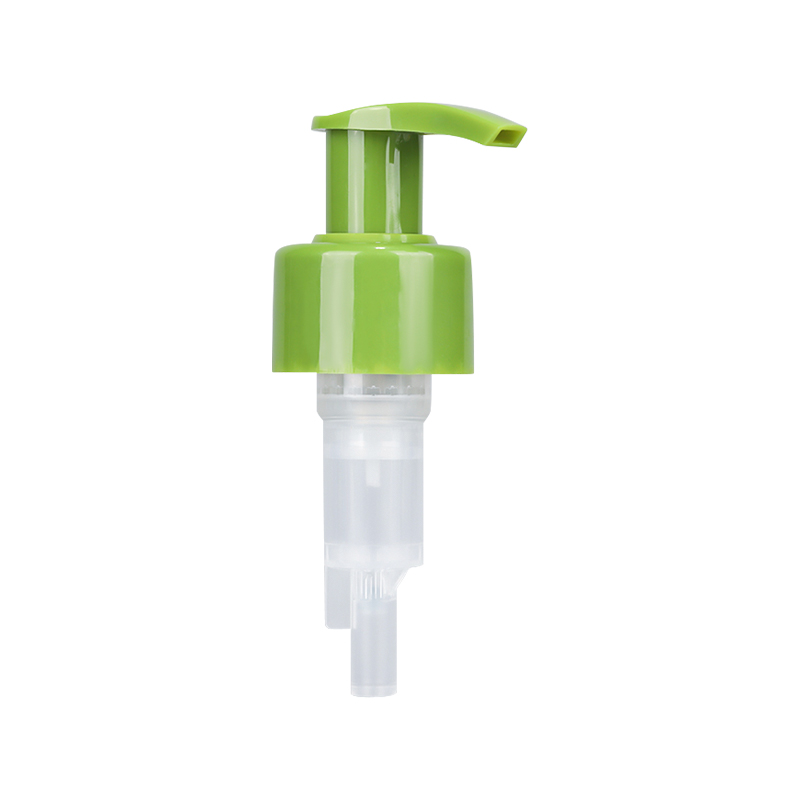
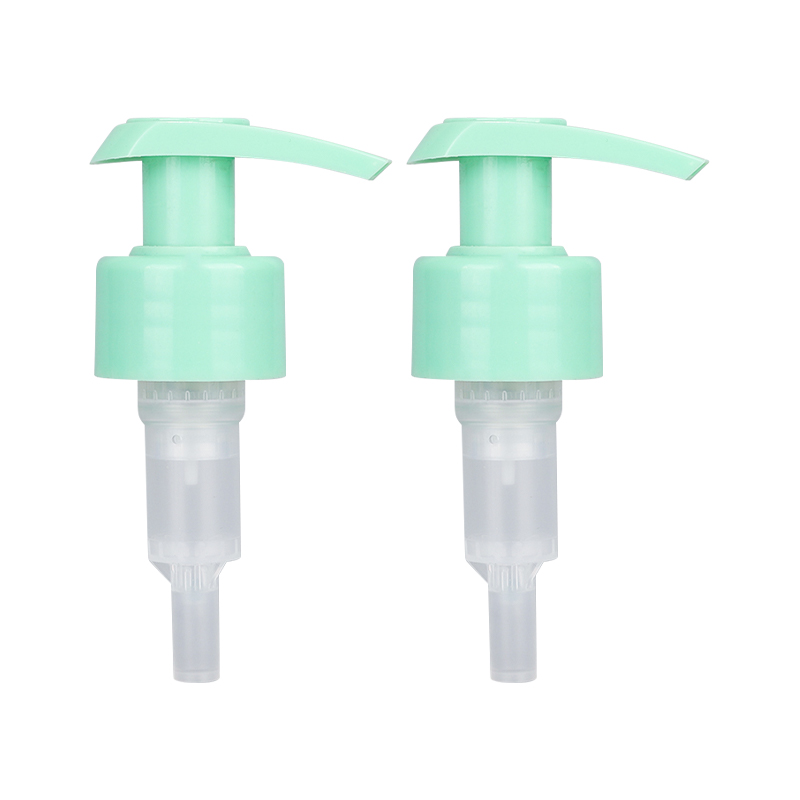
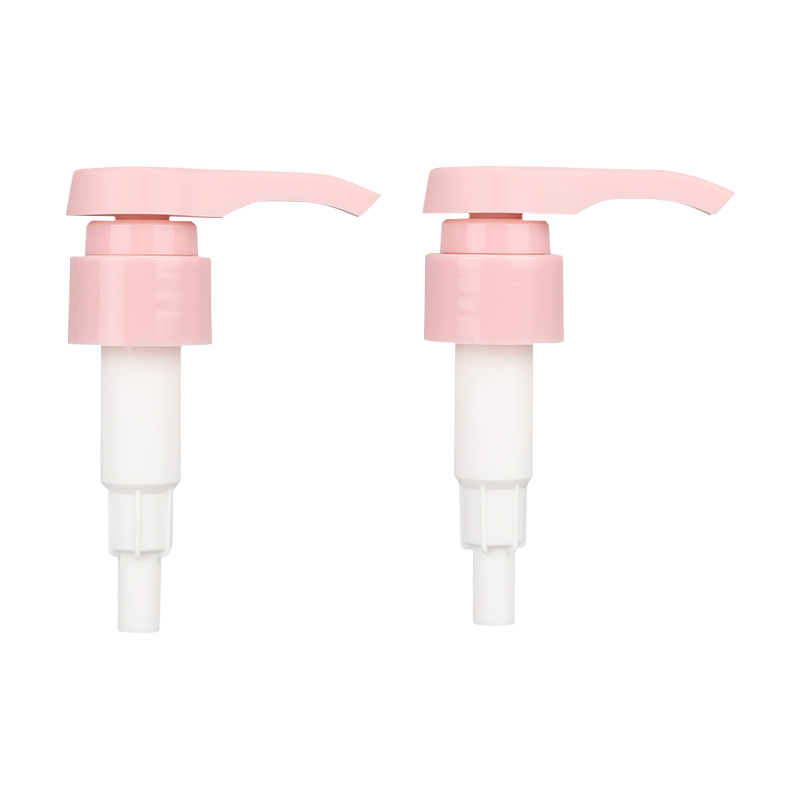
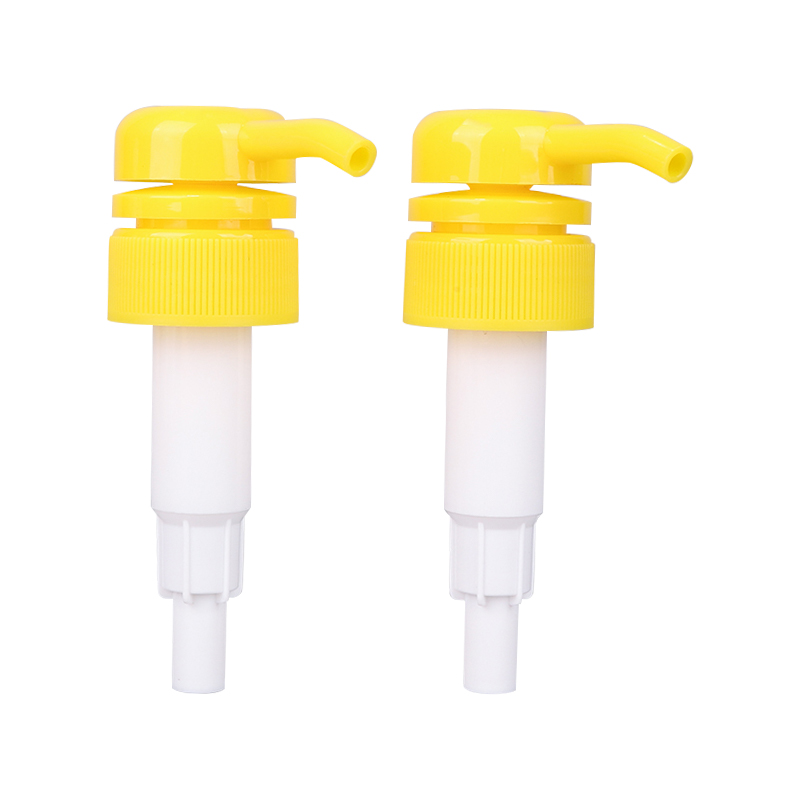
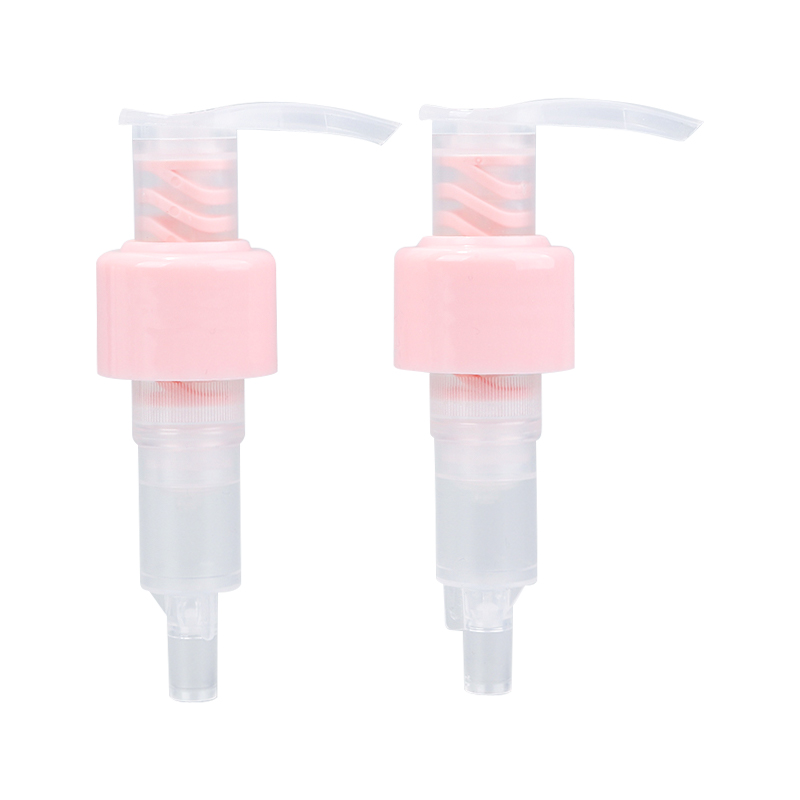
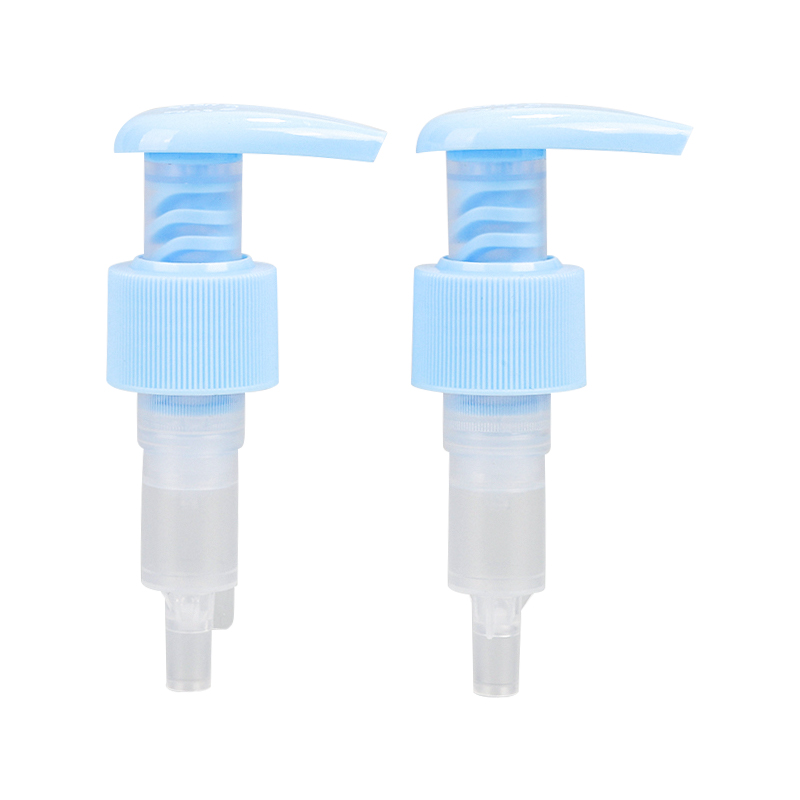
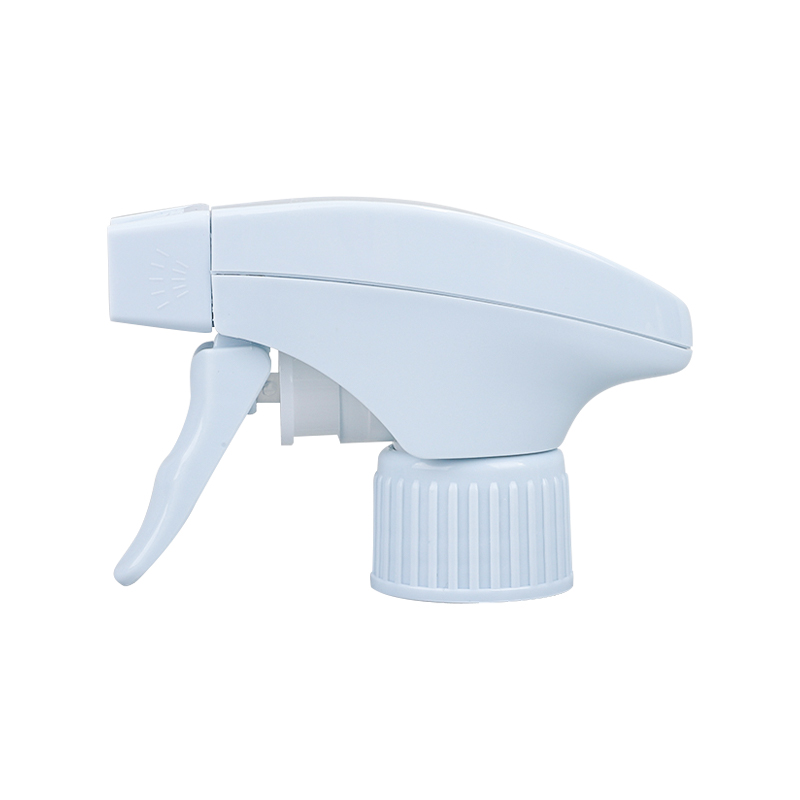
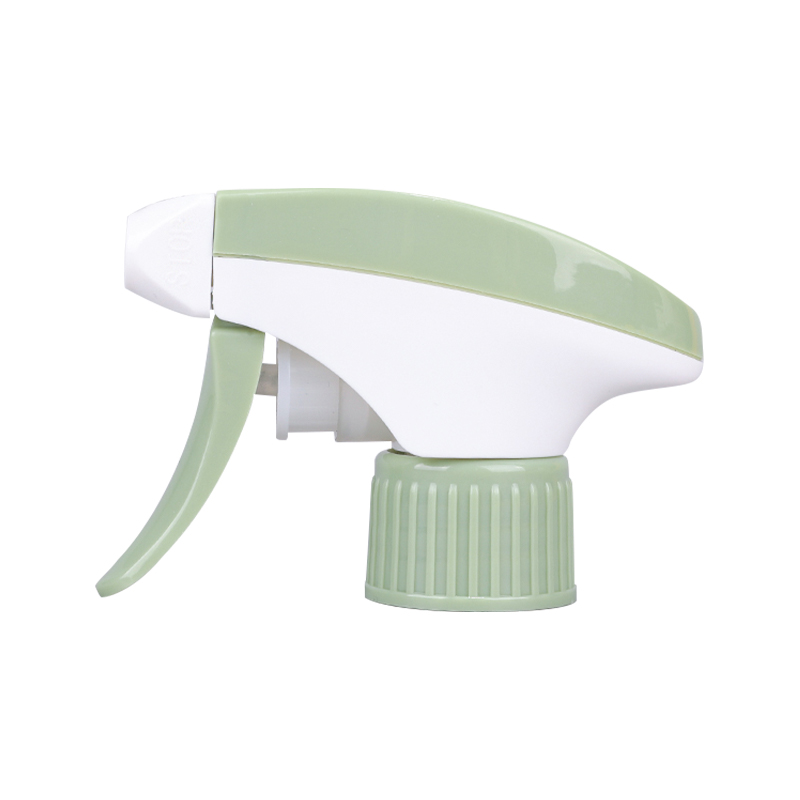
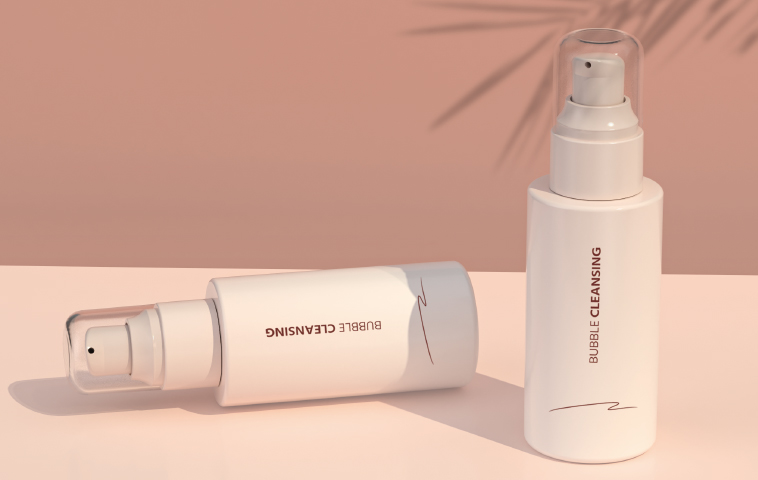
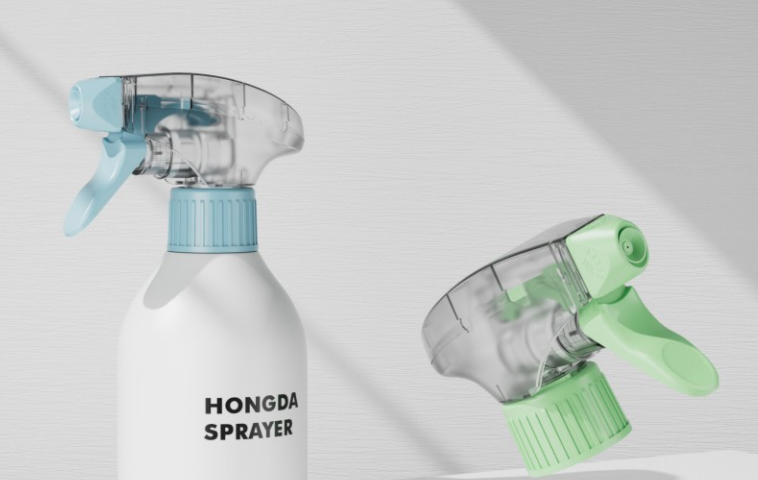
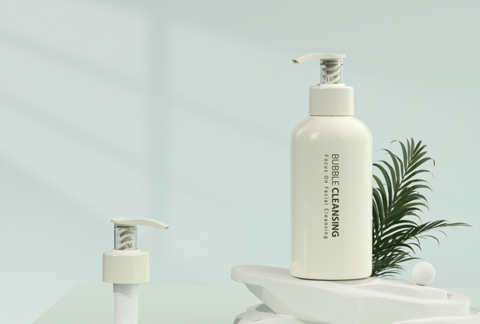
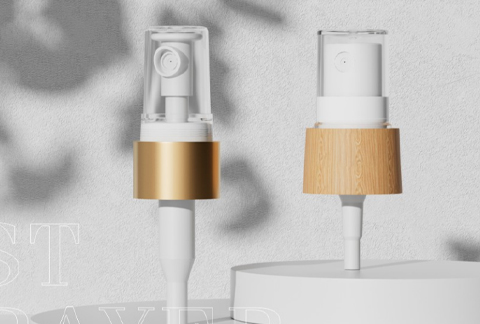
The key conclusion is that a foaming-type system is generally not suitable for viscous lotions, while a standard Lotion Pump Dispenser is specifically designed to handle thicker formulations with controlled, consistent output. For products such as a thick lotion dispenser or a hand lotion dispenser, the standard pump mechanism delivers higher reliability, better dosage accuracy, and significantly lower clogging risk compared to foaming systems, which require low-viscosity liquids to function properly.
Fundamental Differences in Dispensing Mechanisms
A foaming system and a standard Lotion Pump Dispenser operate on fundamentally different mechanical principles. The standard pump is designed to move viscous liquids through a piston-and-spring mechanism, while foaming dispensers mix liquid with air to create foam, requiring low viscosity to function properly.
Foaming System Mechanism
Foaming dispensers rely on air infusion through a mesh chamber. The liquid is diluted with air at a ratio that can reach 1:5 to 1:12 (liquid to air). This makes them unsuitable for dense formulations because thick lotion cannot pass through the micro-mesh structure efficiently.
Standard Pump Mechanism
A standard Lotion Pump Dispenser uses a dip-tube system or airless chamber to push product upward. It can handle viscosities up to 50,000–100,000 cP, making it ideal for a thick lotion dispenser or hand lotion dispenser applications.
Performance with Viscous Lotions
Viscosity is the most important factor when comparing dispensing performance. Viscous lotions require stable pressure and wide flow channels, which standard pumps provide but foaming systems lack.
Flow Efficiency Comparison
- Standard pumps maintain consistent flow even at high viscosity levels.
- Foaming systems reduce output or completely fail when viscosity exceeds ~2,000 cP.
- Thick lotion dispenser designs typically rely on reinforced springs to ensure smooth dispensing.
For hand lotion dispenser applications, consistency is critical. A standard pump typically dispenses 0.8 ml to 2.5 ml per stroke, while foaming pumps may output inconsistent foam volume depending on air-liquid balance.
Output Consistency and Dosage Control
One of the most important distinctions is dosage accuracy. Standard Lotion Pump Dispensers offer predictable output per stroke, while foaming systems vary depending on pressure and liquid composition.
Standard Pump Consistency
Standard pumps maintain up to ±10% variance in output volume, making them reliable for skincare and pharmaceutical applications where controlled dosage is essential.
Foaming Variability
Foaming systems can experience up to ±30% output fluctuation depending on viscosity and air chamber condition. This makes them unsuitable for thick lotion dispenser use cases.
Clogging Risk and Maintenance Requirements
Maintenance needs differ significantly between the two systems, especially when dealing with viscous formulations.
Foaming System Limitations
- High clogging probability due to mesh blockage.
- Requires frequent cleaning when used with semi-viscous liquids.
- Not compatible with hand lotion dispenser formulations above low viscosity range.
Standard Pump Advantages
- Wide channel design reduces blockage risk.
- Suitable for long-term use in thick lotion dispenser systems.
- Lower maintenance frequency due to simpler internal structure.
User Experience and Ergonomics
User experience is heavily influenced by resistance force, smoothness of actuation, and output predictability.
Standard Lotion Pump Dispenser Experience
Standard pumps offer a smooth and controlled pressing force typically ranging between 1.5 kg to 3.0 kg of actuation pressure, making them comfortable for repeated daily use in a hand lotion dispenser.
Foaming Pump Experience
Foaming pumps require less physical force but sacrifice consistency. The output varies in texture, which reduces usability for thick lotion dispenser applications where uniform application is required.
Comparative Performance Table
Comparison of Foaming System vs Standard Lotion Pump Dispenser for viscous lotion performance
| Feature |
Foaming System |
Standard Lotion Pump Dispenser |
| Viscosity Compatibility |
Low only (<2000 cP) |
Medium to high (up to 100,000 cP) |
| Output Type |
Foam |
Controlled liquid |
| Dosage Accuracy |
Low |
High |
| Maintenance |
High |
Low |
| Suitability for Thick Lotion Dispenser |
Not suitable |
Highly suitable |
Final Practical Recommendation
For viscous lotion applications, especially in a hand lotion dispenser or thick lotion dispenser context, the standard Lotion Pump Dispenser is the superior choice. It provides stable flow, accurate dosing, and long-term reliability. Foaming systems are better reserved for low-viscosity liquids such as cleansers or diluted skincare solutions, where foam generation is the primary goal rather than precise dispensing of thick formulations.

 English
 русский
 Français
 Español
 italiano