 English
 русский
 Français
 Español
 italiano
Design & Engineering — Field Notes
The Quiet Engineering
Behind Every Spray
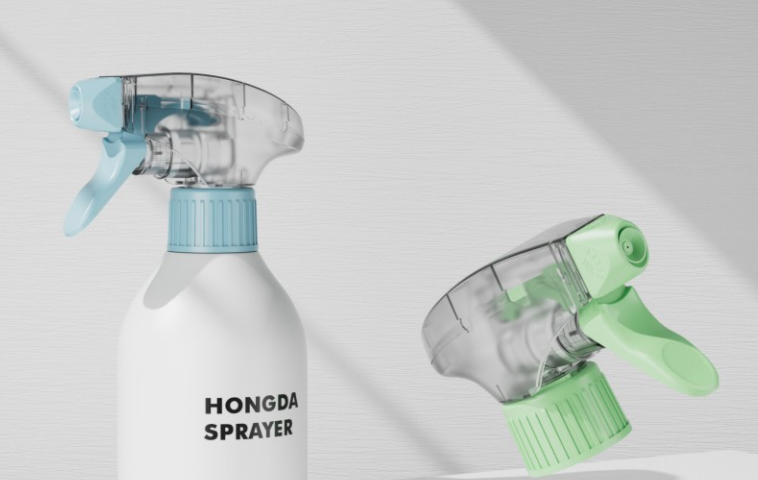
A closer look at the trigger sprayer — a small mechanical object most people touch daily and almost never think about. What follows is an editorial walk through its mechanics, its material choices, and the invisible decisions that make it feel effortless in the hand.
An Object Designed to Disappear
Good mechanical design rarely announces itself. The trigger sprayer is a perfect example — a device engineered so thoroughly that its complexity is meant to go unnoticed. Every squeeze compresses a piston, opens a valve, and releases a controlled volume of liquid, all within a fraction of a second. The user feels only resistance and release. Nothing else.
That restraint is the point. The best trigger sprayers are the ones you forget you're using — no hesitation, no leaking, no uneven spray. Achieving that requires a level of internal precision that stands in quiet contrast to how ordinary the object appears from the outside.
Inside the Mechanism
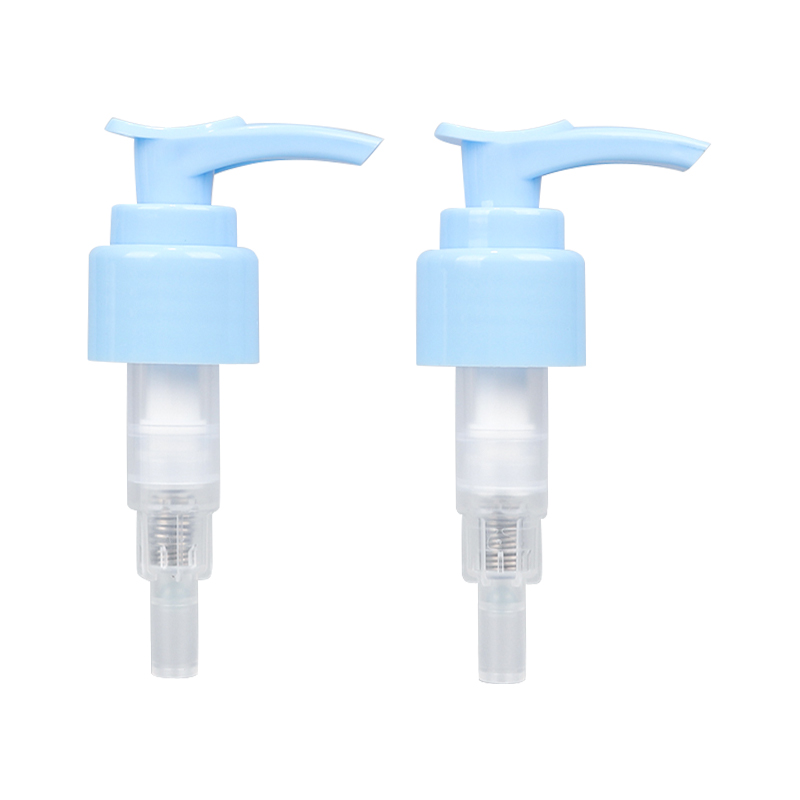
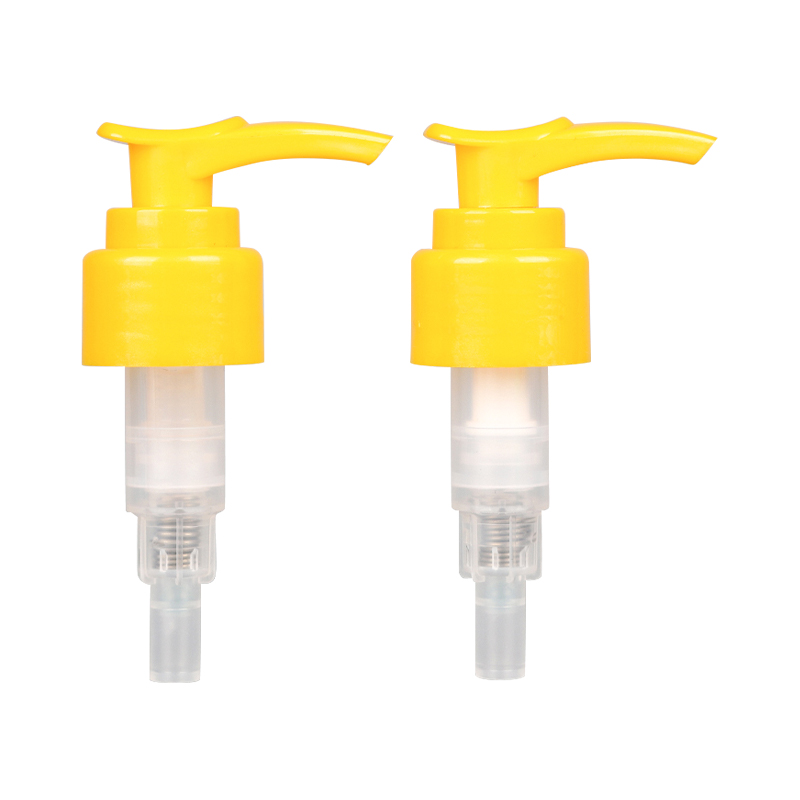
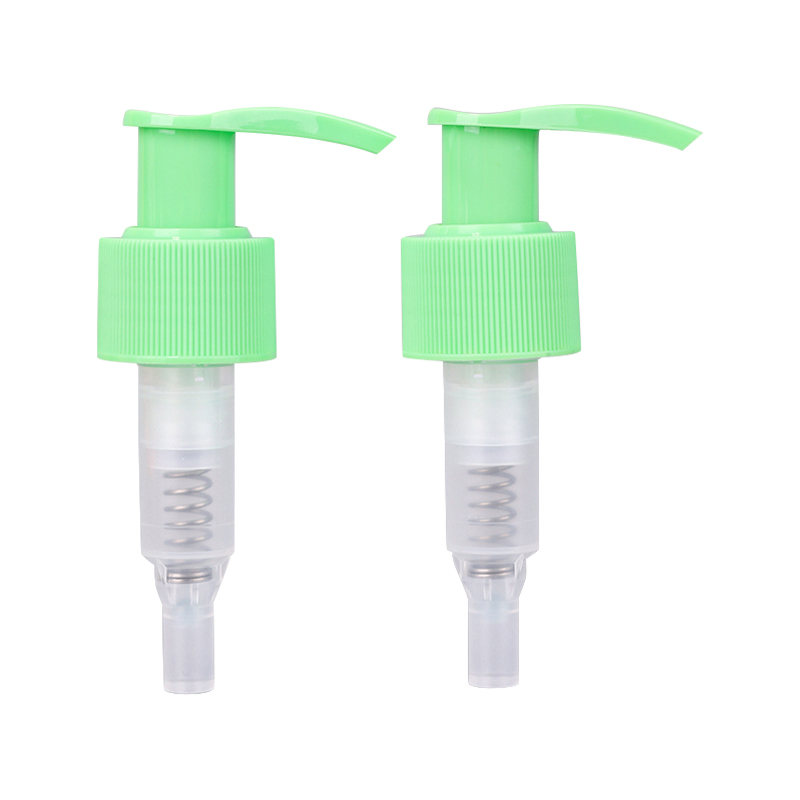
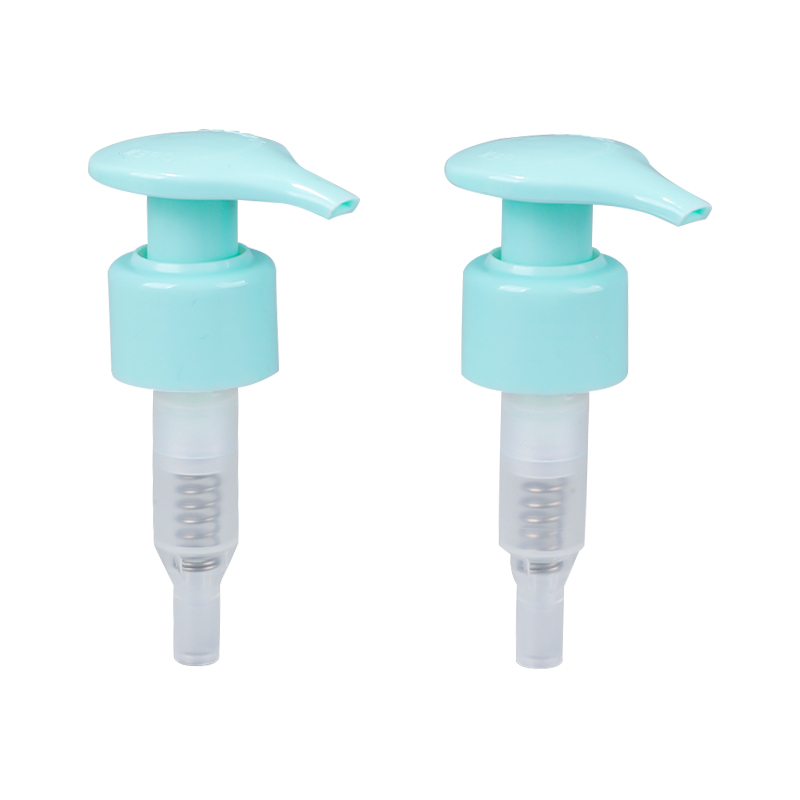
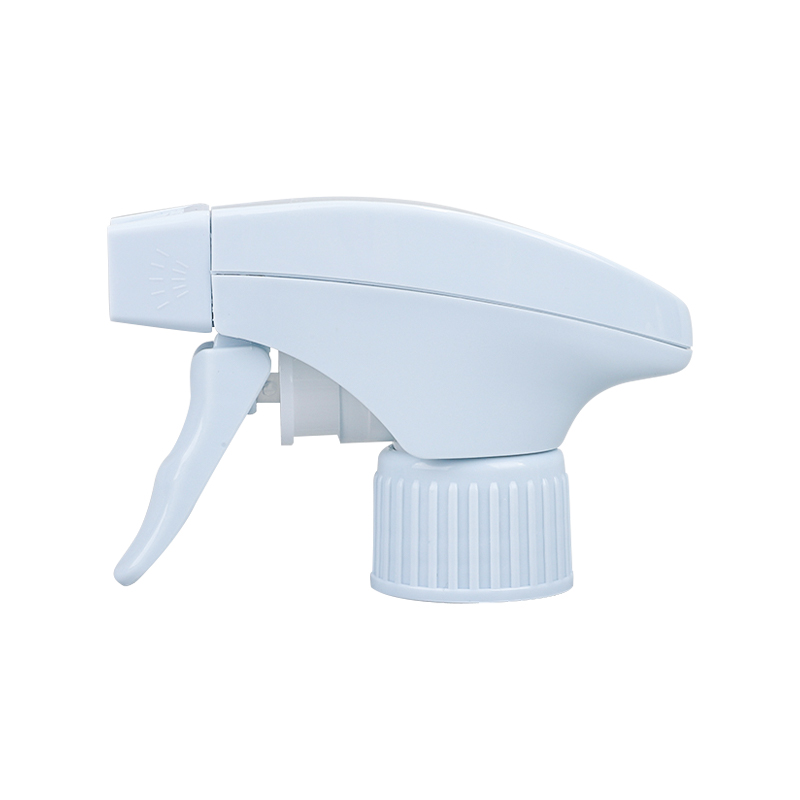
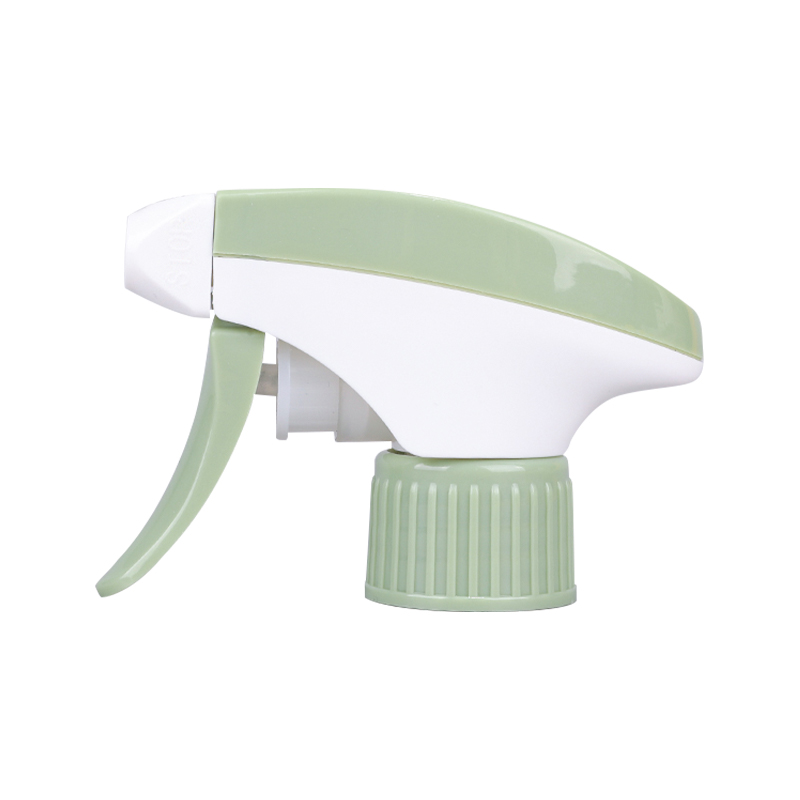
Beneath the plastic housing sits a small, deliberate system: a piston, a spring, two one-way valves, and a dip tube reaching into the liquid below. Each pull of the trigger drives the piston forward, sealing the inlet valve and forcing liquid out through the nozzle. Release the trigger, and the spring resets everything — drawing a fresh volume up from the bottle, ready for the next motion.
trigger sprayers
The Foaming Variant
A foaming trigger sprayer introduces one additional step into this otherwise simple sequence: air. A secondary chamber draws in a measured volume of air and blends it with the liquid before both pass through a fine mesh screen. The result is not a spray at all, but a stable, cushioned foam — a texture entirely dependent on getting that air-to-liquid ratio precisely right.
Precision engineering isn't about adding complexity — it's about controlling exactly where that complexity lives, so the user never has to think about it.
Where Bottle Meets Pump
No pump performs in isolation. A bottle with trigger sprayer fitted to it is a matched system — neck thread, dip tube length, and internal geometry all calibrated to one another. Get the pairing wrong, and even a flawless pump will underperform: liquid left stranded at the bottom of the bottle, a seal that weeps at the collar, a dip tube bent against a base it was never measured for.
- Neck finish must match precisely — visually similar sizes are rarely interchangeable.
- Dip tube length should sit just short of the bottle's interior base.
- Liquid viscosity determines nozzle orifice size and spring tension.
- Foam-based formulas require a dedicated air-mixing chamber to perform correctly.
Performance, Compared
The two most common configurations serve fundamentally different purposes. Choosing between them is less a matter of preference than of matching mechanism to liquid.
| Characteristic | Standard Sprayer | Foaming Sprayer |
| Output | Mist / stream | Foam |
| Air chamber | Absent | Present |
| Ideal formulation | Thin liquids | Soap-based liquids |
| Sensitivity to viscosity | Low | High |
Notes From the Field
Info
A pump tested on a lab sample can behave differently once filled with the final formulation. Temperature, particulate content, and viscosity all shift performance in ways worth verifying early.
Caution
Mismatched neck threads are one of the most common — and most avoidable — causes of leaking at the base of the sprayer.
Good Practice
A small batch run of fifty to one hundred units, tested under real conditions, reliably catches fit and performance issues before full production.
Avoid
Using a thick, particulate-heavy liquid in a fine-mist pump. The narrow orifice was never built to accommodate it, and clogging follows quickly.
In Closing
The trigger sprayer earns very little attention, and that is precisely a measure of how well it's designed. A spring, a piston, two valves, and a nozzle — arranged with enough precision that the mechanism disappears entirely into the gesture of a single squeeze. What looks simple on the outside is, almost without exception, the result of getting every small detail right on the inside.