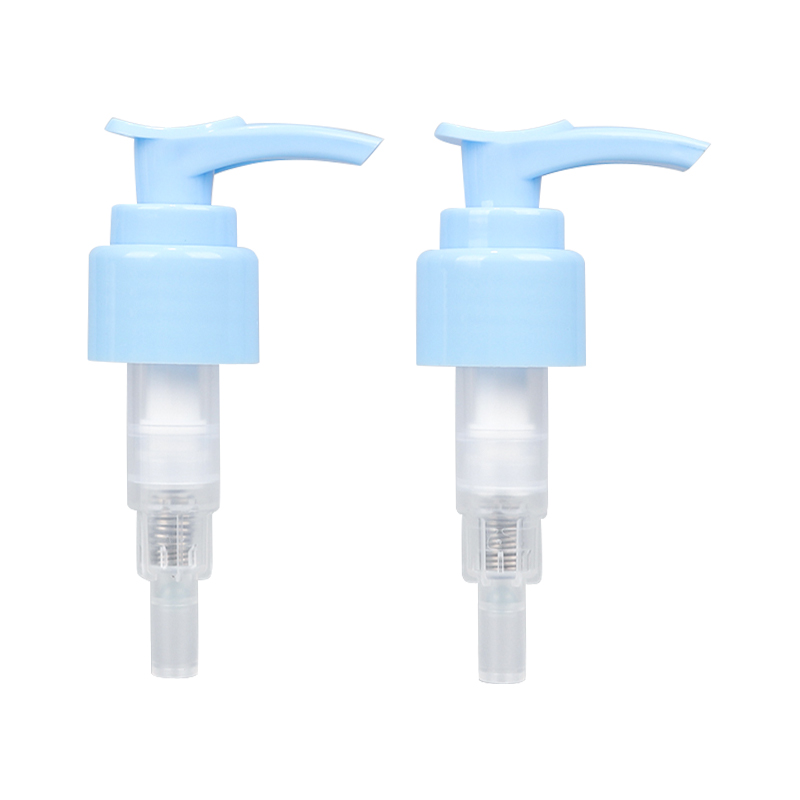
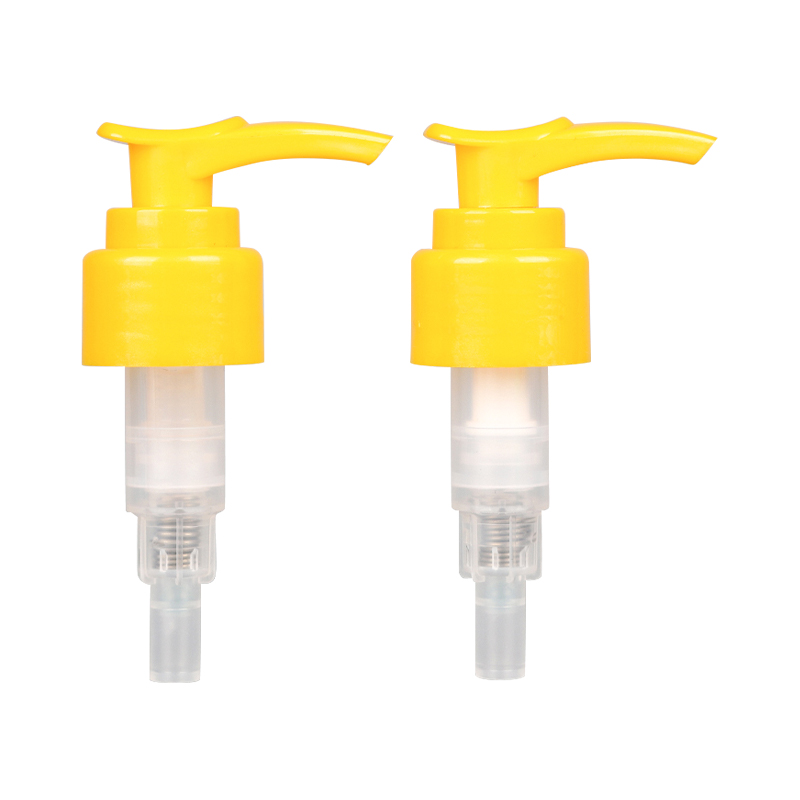
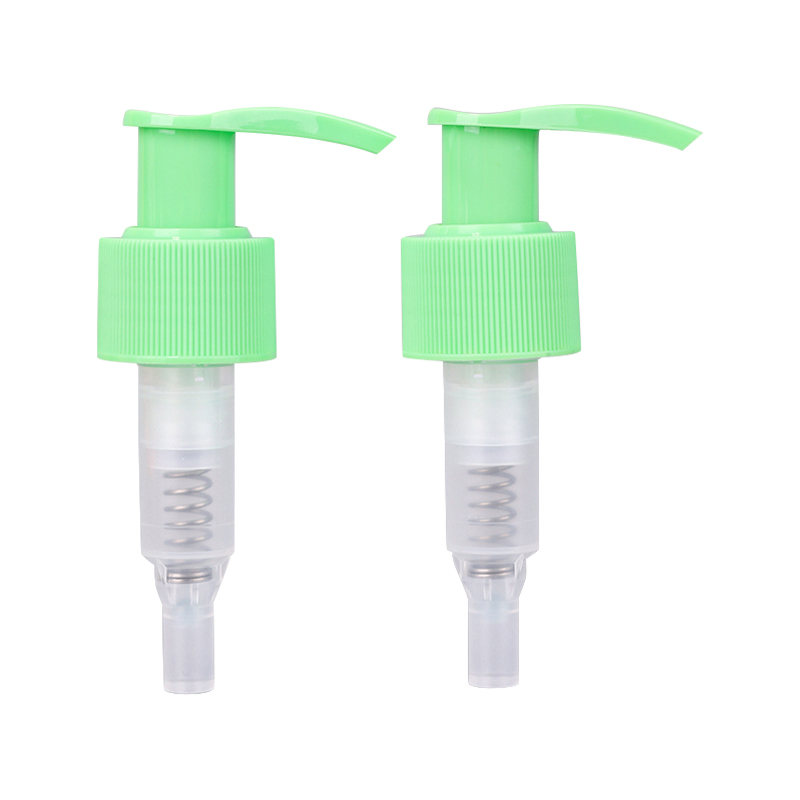
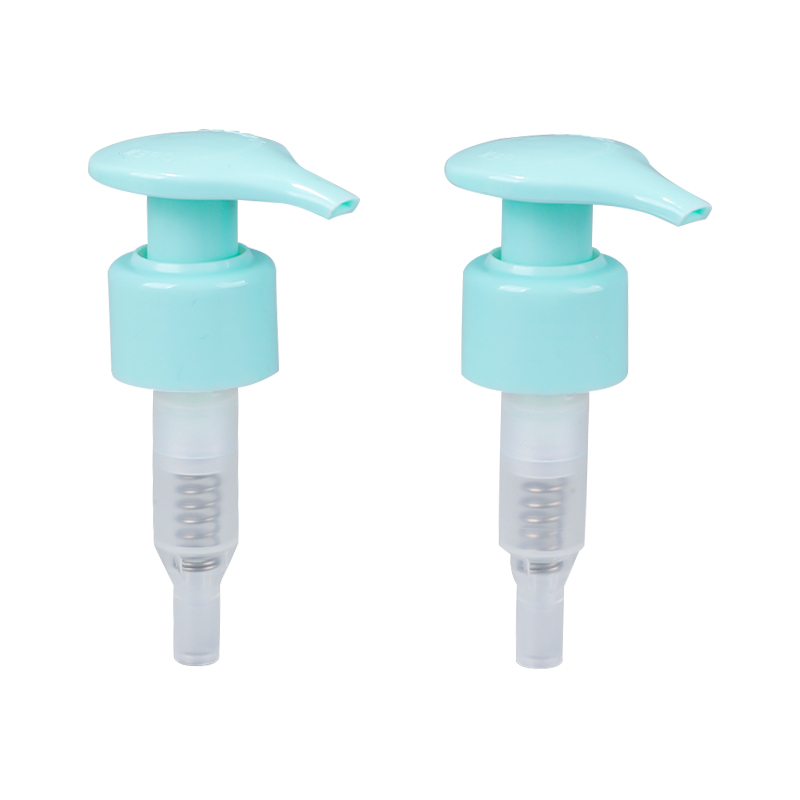
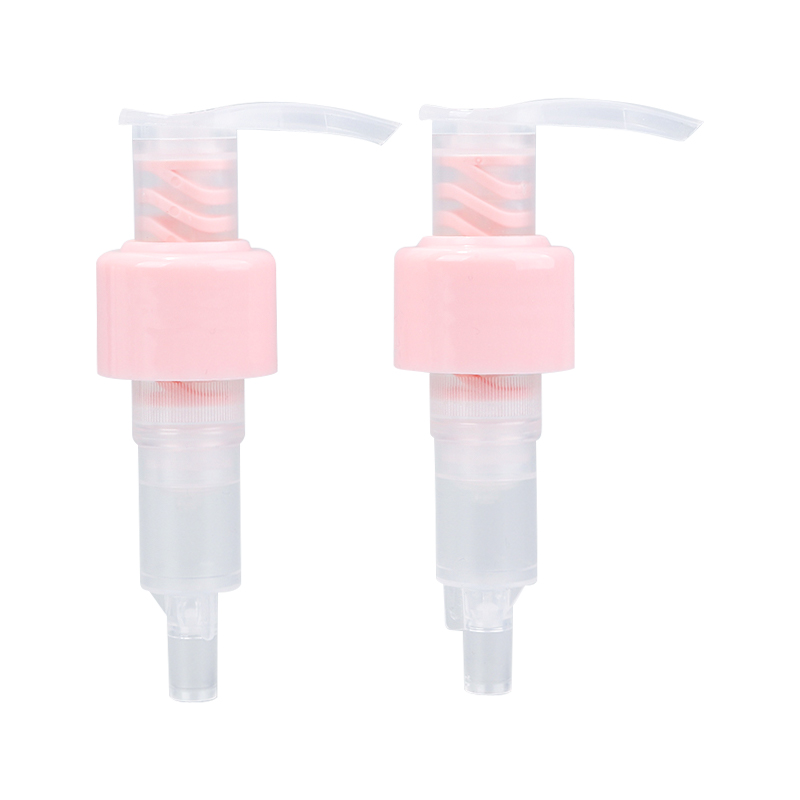
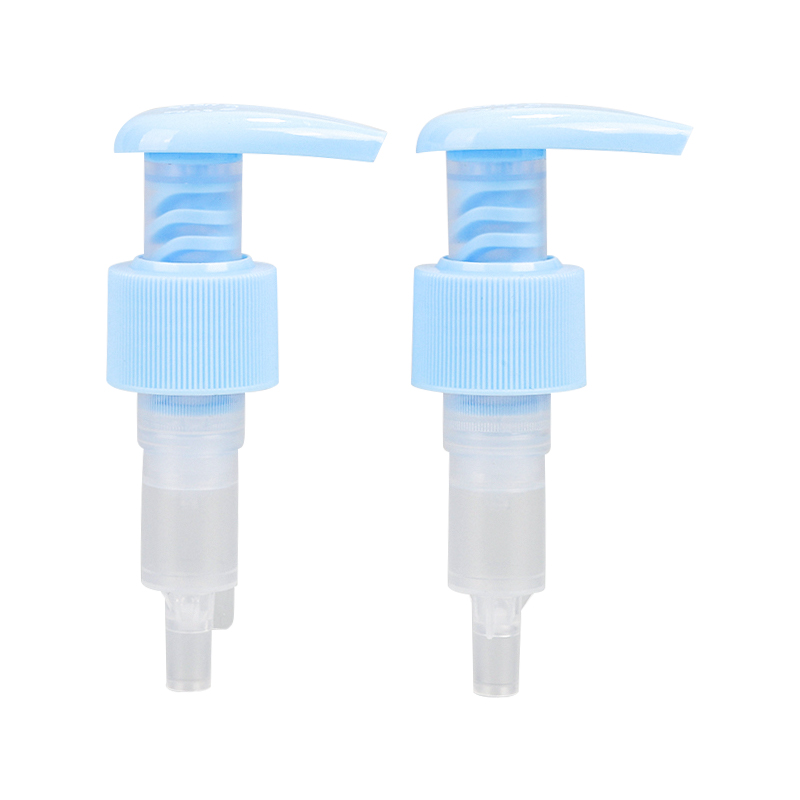
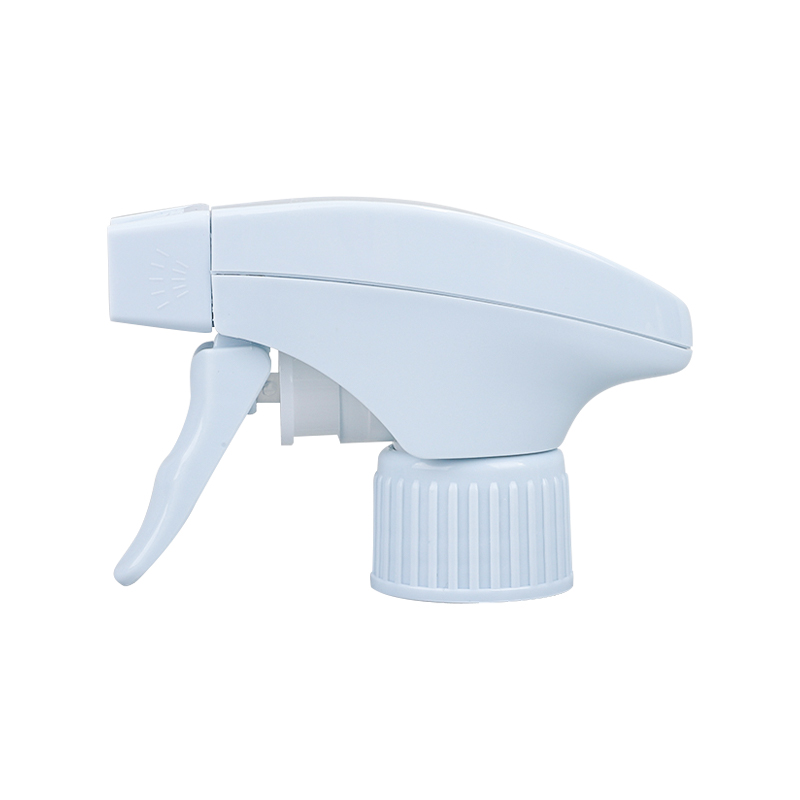
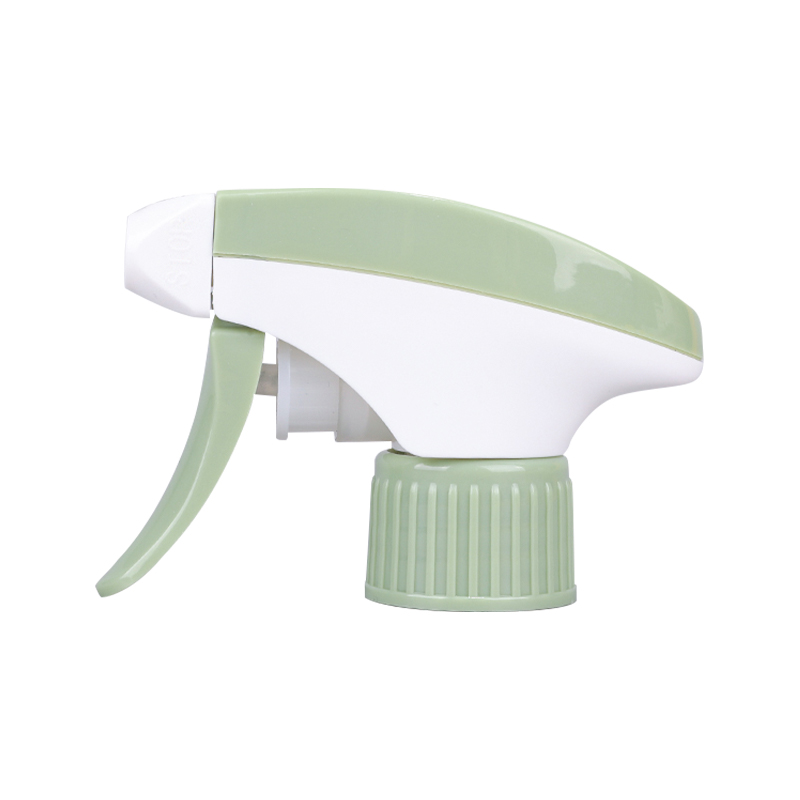
When choosing between a plastic trigger sprayer and a fine mist sprayer for fragrance applications, the core difference comes down to flow rate and droplet size. A standard plastic trigger sprayer typically delivers 0.8 to 1.5 mL per stroke, while a fine mist sprayer outputs just 0.1 to 0.4 mL per stroke. For fragrance use, where even, lightweight coverage is the priority, the fine mist sprayer wins on precision — but the plastic trigger sprayer offers broader utility and higher volume delivery in less time.
Understanding Flow Rate: What the Numbers Mean
Flow rate in sprayers refers to the volume of liquid dispensed per actuation or per minute of continuous use. For fragrance products — including room sprays, linen mists, and personal perfumes — flow rate directly affects scent intensity, coverage area, and product longevity.
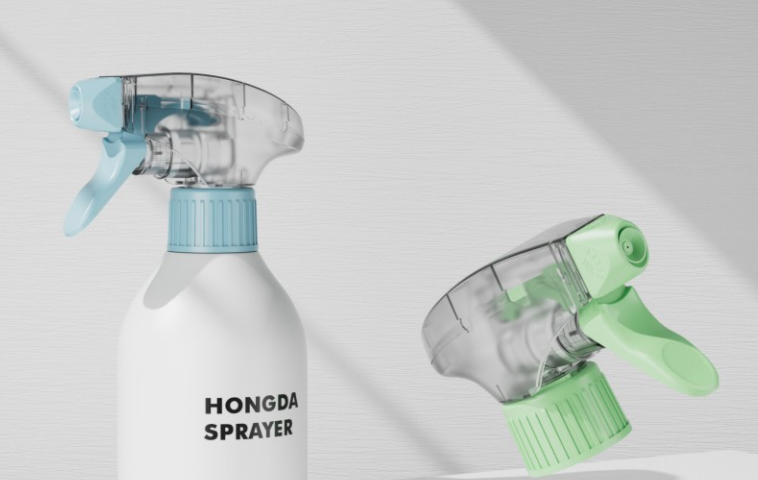
A typical plastic trigger spray bottle uses a piston-driven mechanism that pulls liquid from the reservoir and forces it through a nozzle. The output per stroke is relatively high, making it ideal for cleaning products, garden care, and industrial applications. However, when repurposed for fragrance, this higher output can result in over-application and uneven scent distribution.
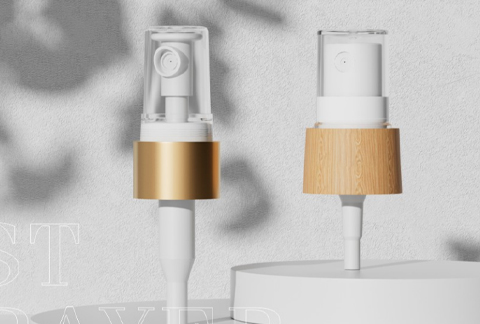
Fine mist sprayers, by contrast, use a narrow-bore nozzle and a low-displacement pump to atomize liquid into very small droplets — typically between 50 to 100 microns in diameter. This produces a cloud-like spray that disperses gradually in the air, making it far more suitable for perfume, facial mist, and aromatherapy products.
Flow Rate Comparison Table
| Feature |
Plastic Trigger Sprayer |
Fine Mist Sprayer |
| Output per stroke |
0.8 – 1.5 mL |
0.1 – 0.4 mL |
| Droplet size |
150 – 300 microns |
50 – 100 microns |
| Spray pattern |
Adjustable (stream to mist) |
Fixed fine mist |
| Best for fragrance |
Room sprays, linen mist (high volume) |
Perfume, facial mist, aromatherapy |
| Nozzle clog risk |
Low |
Moderate (narrow bore) |
| Typical bottle volume |
250 – 1000 mL |
30 – 200 mL |
| Cost range |
Low |
Low to moderate |
Table 1: Key specifications comparing plastic trigger sprayer vs fine mist sprayer for fragrance use
When a Plastic Trigger Sprayer Works for Fragrance
Despite the fine mist sprayer's edge in atomization, the plastic trigger sprayer remains a practical and cost-effective option for certain fragrance applications. Room deodorizers, fabric refreshers, and linen sprays often benefit from the higher output that a trigger sprayer provides. When you need to cover a large area quickly — such as spraying a curtain, sofa, or entire room — the higher flow rate of 0.8 to 1.5 mL per stroke ensures faster, broader coverage.
The mini trigger spray format is especially popular in travel-size room mist and personal space freshener products. These compact units maintain the trigger mechanism's reliability while fitting conveniently into smaller packaging. They are commonly used in hotel amenity kits, office desk sprays, and retail fragrance testers. The adjustable nozzle on most plastic trigger sprayers also allows users to switch between a focused stream and a wider spray — adding flexibility not always available on fine mist alternatives.
Additionally, plastic trigger sprayers are highly resistant to clogging, which is a meaningful advantage when working with thicker fragrance formulations that contain carrier oils or emulsifiers. The wider nozzle bore handles viscous liquids more reliably than the narrow-bore nozzle found on fine mist sprayers.
Why Fine Mist Sprayers Dominate Personal Fragrance
For personal perfume, body mist, and aromatherapy, the fine mist sprayer is the preferred choice across the cosmetics and personal care industries. The reason is straightforward: smaller droplets remain airborne longer, allowing the fragrance to diffuse evenly across the skin or surrounding environment. A droplet at 50 to 80 microns suspends in the air for several seconds before settling, creating a soft, enveloping scent experience.
In contrast, the larger droplets from a plastic trigger spray bottle tend to fall quickly and concentrate in a single spot. For a delicate eau de toilette or body mist, this results in uneven application and potential skin irritation from over-concentration. Fine mist sprayers prevent this by distributing the fragrance more uniformly.
Key Advantages of Fine Mist Sprayers for Fragrance
- Ultra-low output (0.1–0.4 mL) minimizes product waste per application
- Droplet size of 50–100 microns enables even airborne diffusion
- Slender nozzle design suits premium cosmetic packaging aesthetics
- Compatible with alcohol-based and water-based fragrance formulas
- Consistent dose control supports a repeatable sensory experience
Chemical Compatibility and Fragrance Formulation Considerations
Both sprayer types are generally made from polypropylene (PP) or polyethylene (PE), which offer adequate resistance to alcohol-based fragrances. However, the internal components differ. Fine mist sprayers often include stainless steel springs and glass balls in the pump mechanism, providing better resistance to high-alcohol formulations (above 70% ethanol). Standard plastic trigger spray bottles may use lower-grade internal springs that can corrode over time when exposed to concentrated alcohols or citrus-based essential oils.
When selecting plastic trigger spray bottles for fragrance use, it is important to verify that all wetted components — including the dip tube, gasket, and piston — are rated for the specific fragrance formula. Manufacturers often offer chemical-resistant variants that use upgraded materials for prolonged compatibility.
Material Compatibility by Formula Type
- Water-based fragrance mists: Compatible with both sprayer types without modification
- Alcohol-based perfumes (above 70% ethanol): Fine mist sprayers with stainless steel internals recommended
- Oil-based fragrance blends: Plastic trigger sprayer with wide-bore nozzle preferred
- Emulsified body mists: Trigger sprayer offers better flow without clogging
Ergonomics, Packaging, and User Experience
From a user experience standpoint, the two sprayer types serve different contexts. The plastic trigger sprayer is designed for repeated, high-volume use. Its pistol-grip trigger mechanism reduces hand fatigue during extended spraying sessions, making it practical for commercial or household applications. A typical trigger requires approximately 15 to 25 Newtons of actuation force, which is manageable for most users but heavier than the gentle press of a fine mist pump.
Fine mist sprayers typically require only 5 to 10 Newtons of force per press, making them far more comfortable for daily personal use. Their slender, vertical form factor also integrates more naturally into cosmetic packaging — suitable for vanity displays, travel bags, and retail shelving.
In retail and e-commerce contexts, the mini trigger spray format has gained traction as a cross-category solution — bridging the gap between the precision of a fine mist and the durability of a trigger mechanism. These compact trigger sprayers, typically available in 50 mL to 150 mL sizes, are increasingly used in travel fragrance kits, sample packaging, and boutique home fragrance lines.
The right choice depends on the fragrance type, target user, and intended use environment. Use the following guidance to match the sprayer to the application:
- Personal perfume or body mist: Choose a fine mist sprayer for precision, low output, and a premium user experience.
- Room spray or fabric refresher: Choose a plastic trigger sprayer for faster coverage and higher output volume.
- Travel or sample packaging: A mini trigger spray offers compact convenience with reliable performance.
- Oil or emulsion-based formulas: Plastic trigger sprayer handles thicker liquids without clogging.
- High-alcohol eau de parfum: Opt for a fine mist sprayer with stainless steel internals for chemical durability.
Both sprayer types have their place in the fragrance industry. Understanding the flow rate difference — 0.8–1.5 mL per stroke for trigger sprayers versus 0.1–0.4 mL for fine mist sprayers — is the starting point for making an informed selection. Pair that with formula compatibility, ergonomics, and packaging requirements, and the optimal choice becomes clear for any specific fragrance application.

 English
 русский
 Français
 Español
 italiano