 English
 русский
 Français
 Español
 italiano
Product Insight · Design Journal
The Quiet Engineering Behind a Perfect Mist
How a small mechanical gesture — the press of a pump — became one of the most versatile tools in modern living, from skincare rituals to industrial cooling systems.
There is something almost cinematic about a fine mist settling over a surface — weightless, even, unhurried. It doesn't drench. It doesn't drip. It simply arrives, particle by particle, and disappears into whatever it touches. This is the quiet engineering promise of a mist sprayer, and it is far more deliberate than it appears.
Behind every soft cloud of spray is a mechanism built around pressure, droplet physics, and material precision. Understanding what makes a mist sprayer work — and where it belongs — reveals why this small device has become indispensable across such different worlds: the vanity table, the greenhouse, the factory floor.
The Core Idea
A mist sprayer converts liquid into droplets small enough — typically between 50 and 200 microns — to float rather than fall. This single distinction separates it from an ordinary spray bottle, and defines everything about how, where, and why it is used.
Where Precision Becomes Ritual
In personal care, the mist sprayer has quietly become a design object in its own right. Facial toners, setting sprays, hydration mists — each depends on a nozzle fine enough to lay liquid onto skin like a veil rather than a splash. This is not a cosmetic detail. Larger droplets disturb makeup, irritate sensitive skin, and absorb unevenly. A true fine mist sprayer avoids all three problems by design.
"The difference between a spray and a mist is not intensity — it is intention. One coats. The other dissolves into the surface it touches."
The same principle extends into gardening, where mist sprayers are used to hydrate seedlings, propagate cuttings, and apply foliar feed without bruising delicate leaf tissue. Research into foliar absorption suggests nutrient uptake through misted application can improve by as much as 20% compared to soil-based feeding, simply because the droplets are small enough to be absorbed through leaf stomata rather than running off.
mist sprayer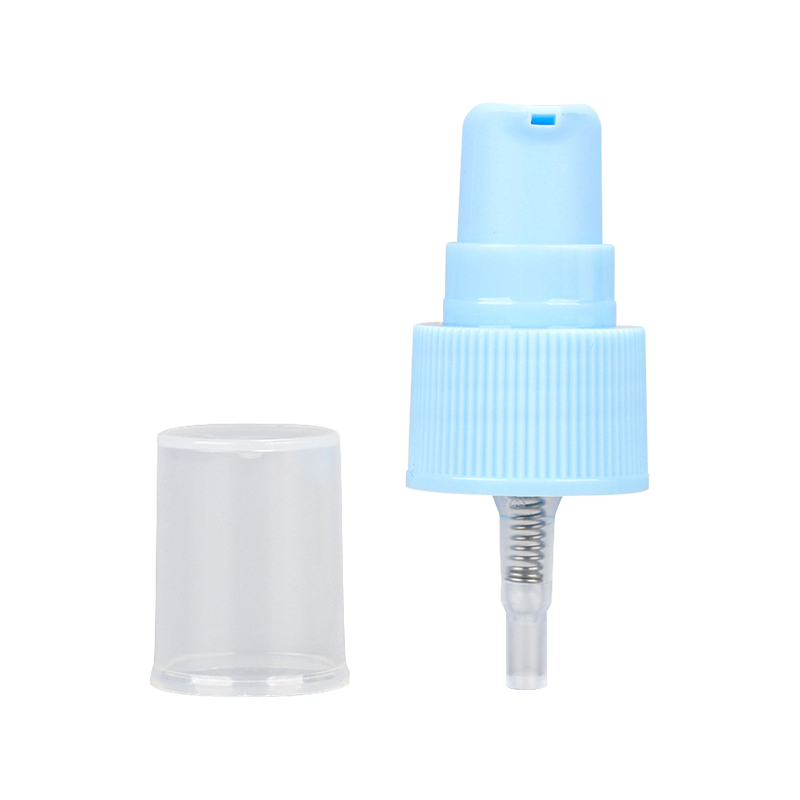
Scaling Up: Air and Atmosphere
At a larger scale, the same physics governs something far less delicate — climate. An air mist sprayer system, installed across restaurant patios, warehouses, or event spaces, releases micro-fine droplets into open air. As those droplets evaporate, they draw heat from the surrounding atmosphere, lowering ambient temperature by up to fifteen degrees Fahrenheit without leaving a single wet surface behind.
Industrial sites use the same mechanism differently — not to cool, but to capture. Airborne dust particles bind to suspended water droplets and fall to the ground, improving air quality in construction zones and mining operations where dry air would otherwise carry contaminants for hours.
Design Note
Droplet size is not a fixed property of the liquid — it is a property of the nozzle geometry and the pressure applied. Two identical liquids can produce entirely different mist qualities depending on how the sprayer is engineered.
Choosing by Application
Not every mist pump sprayer is built for the same task, and choosing incorrectly is the most common source of disappointment — clogged nozzles, inconsistent spray, wasted product. The table below outlines how form follows function across common use cases.
| Sprayer Type | Droplet Character | Where It Excels |
|---|---|---|
| Manual Fine Mist Sprayer | Ultra-light, precise | Skincare, plant care, detail cleaning |
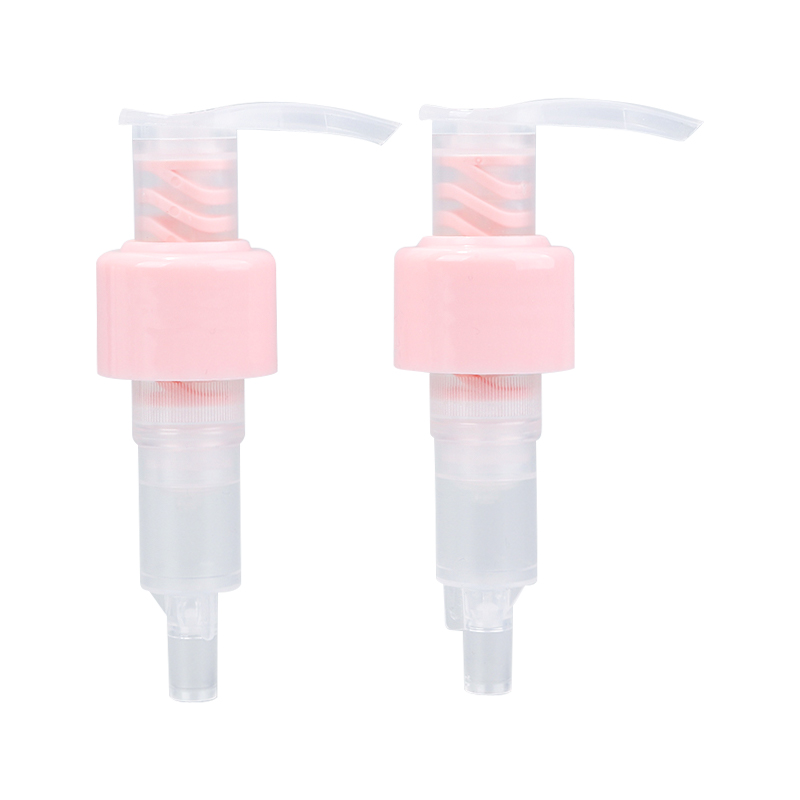
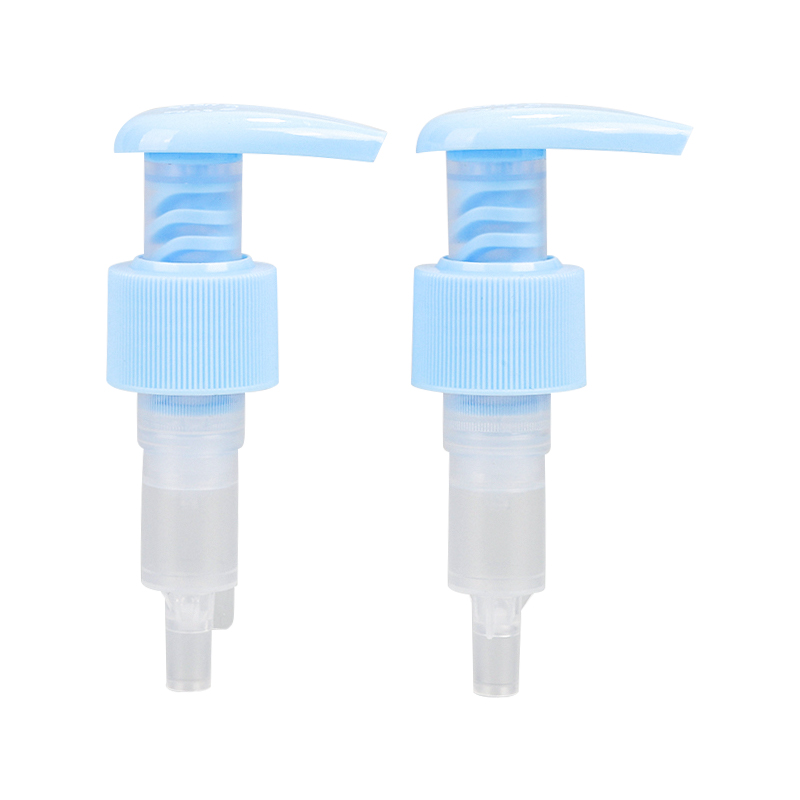
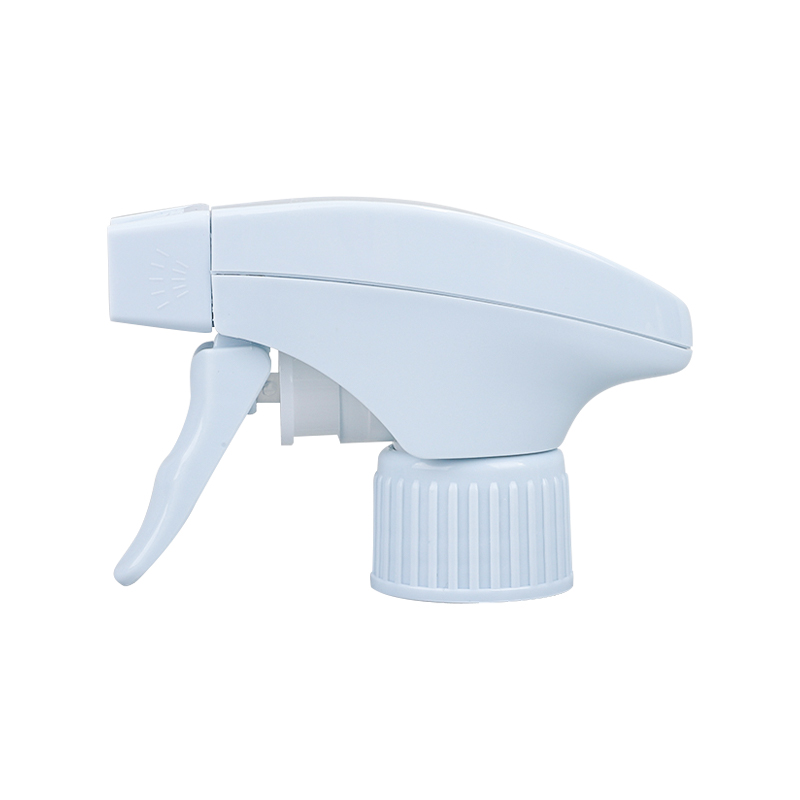
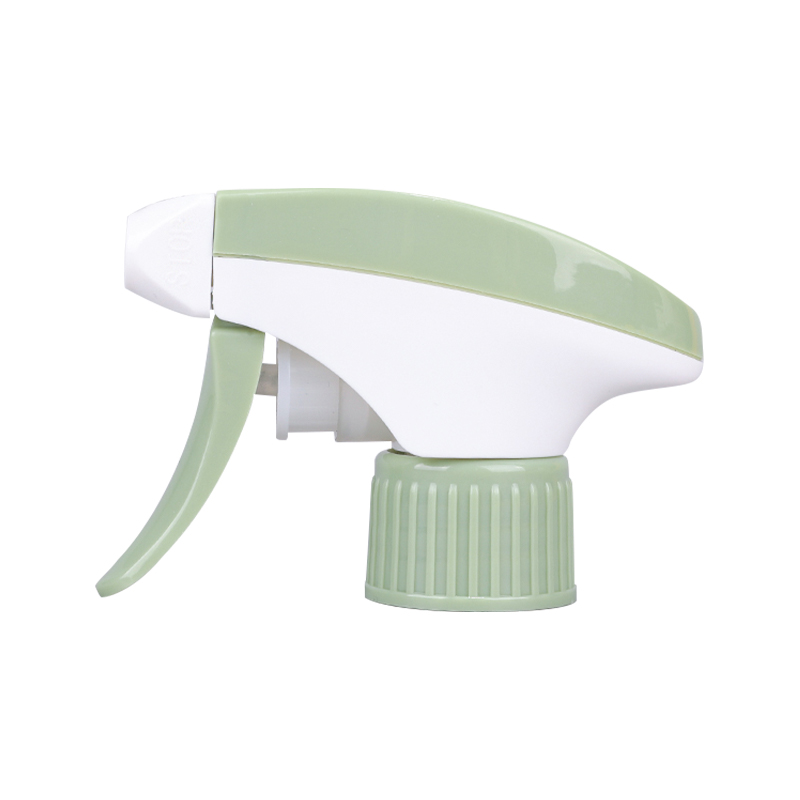
| Mist Pump Sprayer | Balanced, consistent | Household cleaning, gardening, personal care |
| Electric / Battery Sprayer | Adjustable output | Large-area disinfecting, agricultural use |
| Air Mist Sprayer System | Continuous, ambient | Outdoor cooling, humidity, dust control |
Maintaining the Mechanism
Longevity is a matter of habit more than material. A few disciplined practices keep any mist sprayer performing at its intended level:
- Rinse the nozzle with clean water after each use to prevent residue buildup
- Soak nozzles periodically when used with oils or thicker liquids
- Prime the pump fully after refilling — several presses are normal, not a defect
- Avoid submerging electric or battery units; wipe the exterior instead
Before You Continue
Uneven spray, sputtering, or excessive resistance when pressing the pump usually signal worn internal seals — not a liquid quality issue. Most consumer-grade units are rated for several thousand cycles before this natural wear begins.
In Closing
What makes the mist sprayer remarkable is not complexity, but restraint — a device engineered to do less per drop, and in doing so, do more with precision. Whether settling onto skin, leaf, or open air, its value lies in the same quiet principle: control without weight, coverage without excess.