 English
 русский
 Français
 Español
 italiano
Mechanical Design — Cleaning Equipment
How does the internal mechanism of a trigger sprayer differ from that of a wand sprayer? A trigger sprayer uses a small piston pump activated by finger pressure on a lever, while a wand sprayer relies on either a pre-pressurized tank or a separate pumping handle that pushes liquid through a long tube to a nozzle at the tip of the wand. This single distinction in how pressure is generated explains nearly every other difference between the two designs — from spray consistency to maintenance needs to application suitability.
How a Trigger Sprayer's Piston Pump Works
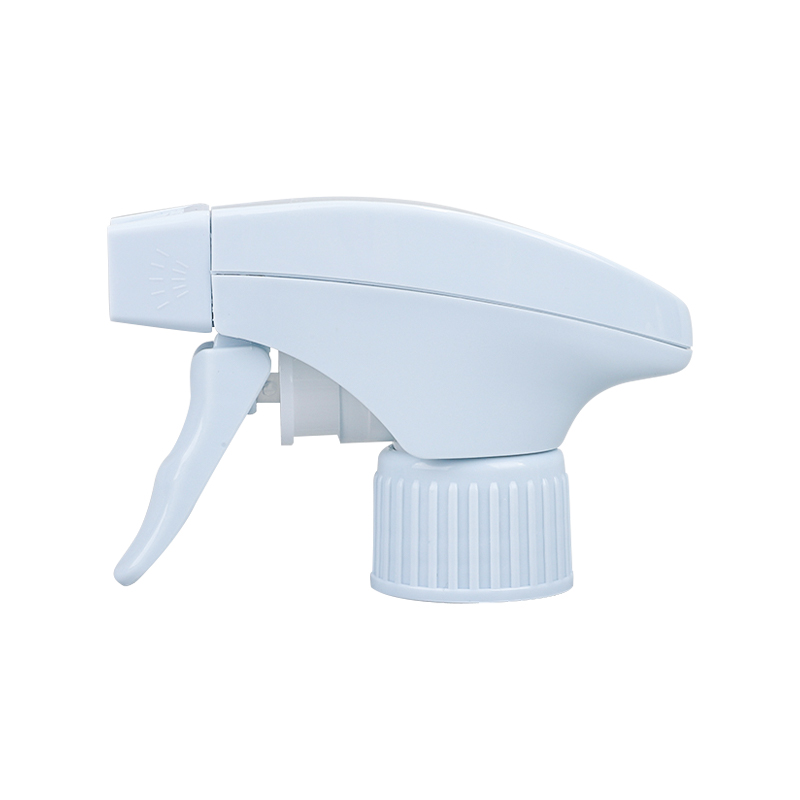
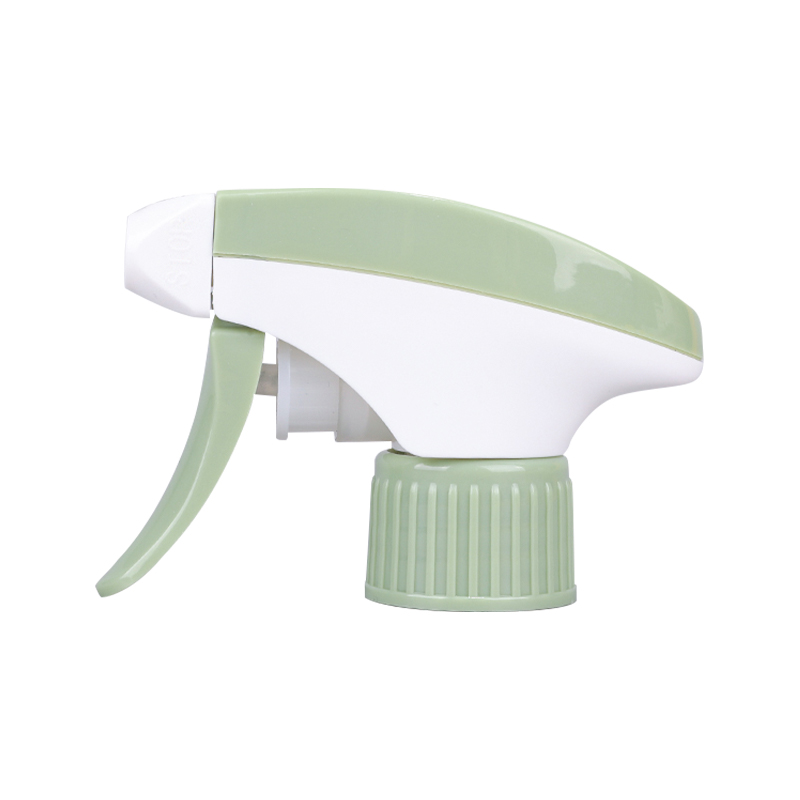
A standard trigger sprayer operates on a simple piston-and-spring mechanism housed inside a compact plastic body. When the user squeezes the trigger lever, it compresses a small piston inside a cylinder. This compression forces liquid that has already been drawn up through the dip tube out through the nozzle opening. As the trigger is released, a spring pushes the piston back to its resting position, and a one-way inlet valve opens to draw a fresh charge of liquid up from the bottle, ready for the next squeeze.
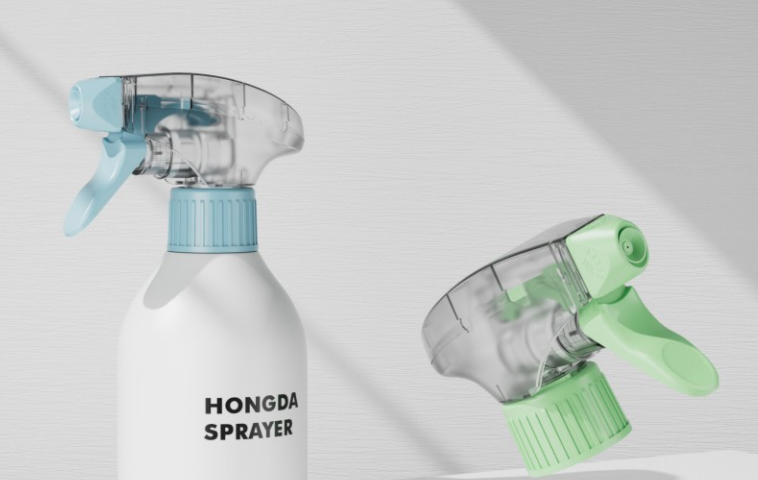
trigger sprayer
Key Internal Parts of a Trigger Pump Sprayer
- Piston chamber that compresses on each squeeze
- Return spring that resets the trigger after release
- Inlet check valve that prevents backflow into the bottle
- Outlet check valve that directs liquid toward the nozzle
- Nozzle tip that shapes the spray into mist, stream, or foam
Because a trigger pump sprayer generates pressure only at the moment of the squeeze, output is directly tied to hand movement. There is no stored pressure waiting inside the device, which is why trigger sprayers cannot maintain a continuous stream the way a pressurized wand can.
How a Wand Sprayer's Pressure System Differs
Wand sprayers, particularly those used for gardening, pest control, or larger cleaning tasks, are built around a pressure reservoir rather than a squeeze-activated piston. Most wand sprayers fall into two categories: manually pumped pressure tanks and battery-powered pressurized systems. In a manual pump wand sprayer, the user operates a separate pump handle to compress air above the liquid reservoir, which then pushes liquid up through an internal tube, along the length of the wand, and out through the nozzle at a steady, continuous rate.
Core Components of a Wand Sprayer System
- Pressure tank or reservoir holding both liquid and compressed air
- Manual pump handle or motorized pressure generator
- Internal dip tube running from the tank bottom to the wand
- Extended wand tubing that carries liquid to the spray tip
- Shutoff valve or trigger at the wand handle to start and stop flow
Unlike the trigger sprayer's one-squeeze-one-burst cycle, a wand sprayer can deliver a continuous spray for 30 seconds or longer on a single pressurization — efficient for covering garden beds, lawns, or building exteriors where constant re-squeezing would be impractical.
Comparing Pressure Generation and Output Consistency
Because the two designs generate pressure so differently, their output consistency also differs. A trigger sprayer produces a fairly uniform burst every time, since the piston chamber has a fixed volume. However, spray force and distance are directly tied to how quickly and firmly the trigger is squeezed, meaning output can vary slightly between users or even between squeezes from the same person.
Worth Knowing
Wand sprayers offer very consistent output immediately after pressurization, but that consistency degrades over the course of use — as the tank depressurizes, spray distance and volume gradually decrease until the user re-pumps the handle, typically every 20 to 30 seconds during extended jobs.
Mechanism Comparison at a Glance
The table below breaks down the internal mechanical differences between a standard trigger sprayer and a typical wand sprayer to clarify how each system generates and delivers spray.
| Mechanism Feature | Trigger Sprayer | Wand Sprayer |
|---|---|---|
| Pressure source | Manual piston squeeze | Pre-pumped compressed air |
| Spray pattern | Discrete bursts | Continuous stream |
| Typical output per activation | 0.8–1.5ml per squeeze | Continuous flow until repressurized |
| Duration of steady spray | Instant, per squeeze | 20–30+ seconds per pump cycle |
| Number of moving parts | 3–5 | 6–10 |
This comparison highlights why a trigger sprayer's mechanism suits short, controlled applications, while a wand sprayer's pressurized system is built for sustained, hands-free-style output over larger surfaces.
Why the Trigger Sprayer's Simplicity Affects Its Spray Range
Because a standard trigger sprayer relies entirely on hand-generated pressure with no stored energy, its spray range is inherently limited compared to a wand sprayer. Most trigger sprayers project liquid roughly 2 to 4 feet from the nozzle, depending on nozzle setting and squeeze force — well suited for close-range tasks like wiping down countertops, cleaning glass, or applying a light mist to fabric.
By Comparison
Wand sprayers, powered by stored pressure rather than a single hand squeeze, can project liquid significantly farther, often 6 to 15 feet depending on tank pressure and nozzle design — a direct result of the pressurized mechanism rather than nozzle engineering alone.
How Internal Design Affects Maintenance and Durability
The mechanical simplicity of a trigger sprayer, with its compact piston and short internal pathway, generally means fewer failure points and easier cleaning. A clogged nozzle or worn spring can often be identified and replaced in minutes. Wand sprayers, with their longer tubing, separate pump assembly, and pressure-sealing gaskets, have more components that can wear out over time.
Common Points of Wear in Each System
- Trigger sprayer: spring fatigue after extended use, cracked piston seals
- Trigger sprayer: dip tube clogging with thicker liquids
- Wand sprayer: O-ring degradation around the pump seal
- Wand sprayer: pressure loss from worn gaskets in the tank cap
- Wand sprayer: internal tubing kinks reducing flow to the nozzle
Caution
Because the trigger mechanism has fewer pressure-dependent seals, it tends to fail in predictable, easy-to-diagnose ways, while a wand sprayer's more complex pressure system can develop subtler issues, such as gradual pressure loss, that are harder to pinpoint without disassembling the tank.
Choosing the Right Mechanism for Your Task
Understanding these mechanical differences makes it easier to match the right sprayer to the right job. A standard trigger sprayer is the better choice when precision, portability, and low-effort maintenance matter most, such as household cleaning, spot treatments, or applying small amounts of liquid to targeted surfaces. A wand sprayer's pressurized mechanism is better suited to tasks requiring sustained output over a wider area, such as watering plants, applying pesticide across a garden bed, or washing down larger surfaces.
In Summary
In practice, many households and professional users keep both types on hand, choosing the trigger pump sprayer for quick, controlled tasks and the wand sprayer for anything requiring extended reach or continuous coverage. Recognizing how each mechanism generates and delivers pressure is the key to using either tool effectively and keeping it in good working condition over time.