 English
 русский
 Français
 Español
 italiano
Care & Longevity — Cleaning Equipment
Are wand sprayers or trigger sprayers easier to clean and maintain over time? For most users, trigger sprayers require significantly less maintenance effort than wand sprayers across the life of the product. Fewer moving parts, simpler internal pathways, and quick disassembly make them the low-friction choice for daily use — while wand sprayers trade convenience for durability under heavier, thicker liquids. The right answer depends on what you spray, how often, and how much upkeep you're willing to give it.
Why Trigger Sprayers Are Easier to Disassemble
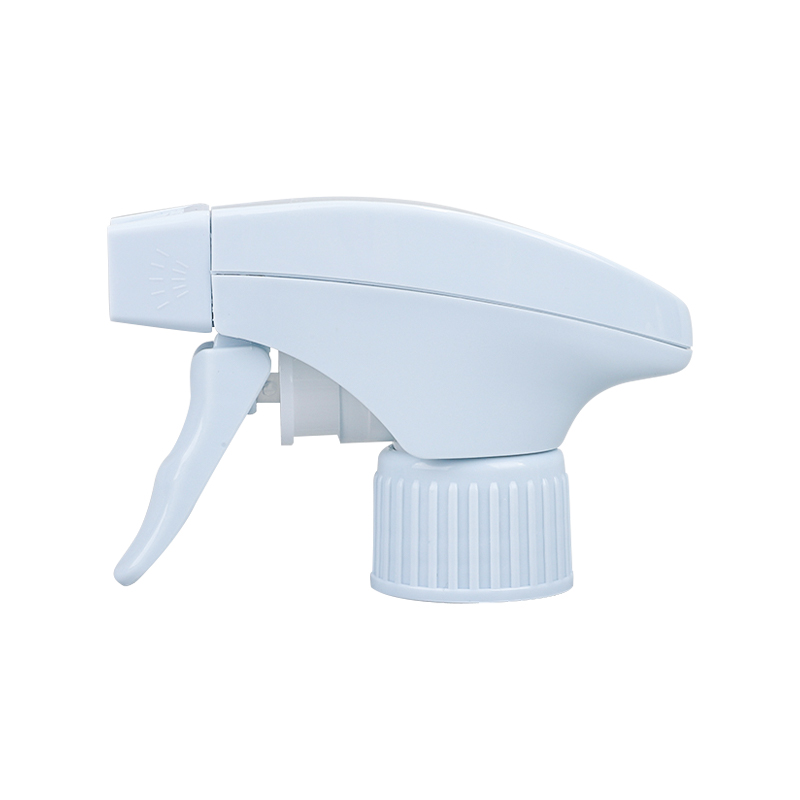
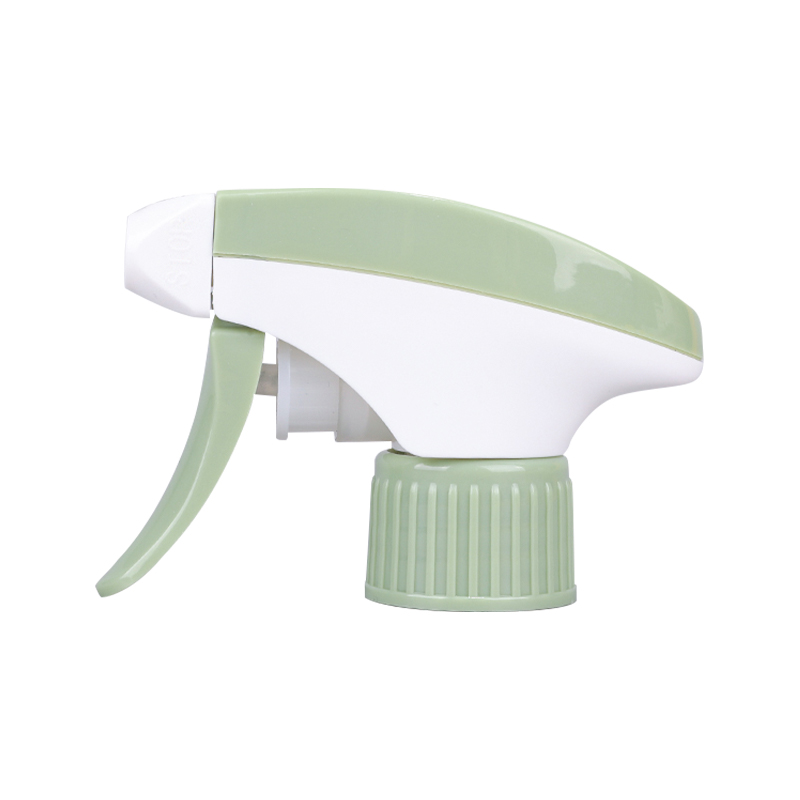
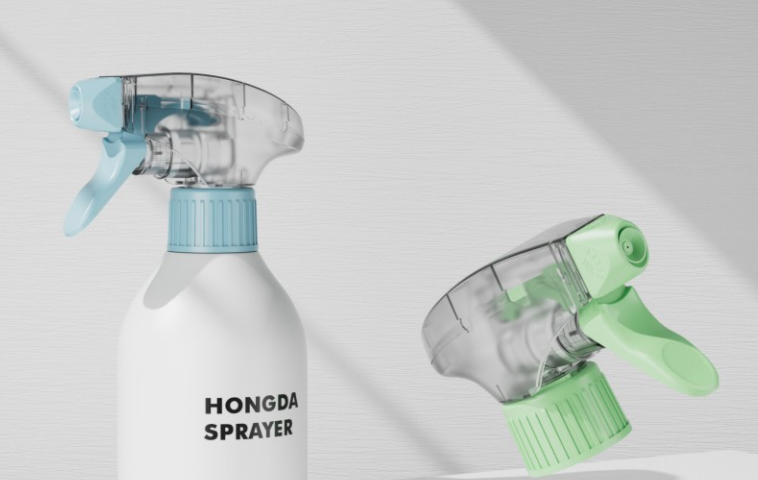
Most triggers for spray bottles are built with a modular design: a trigger head, a dip tube, and a nozzle cap that twists off without tools. This simplicity is one of the main reasons households and professional cleaning teams prefer them for daily use. A typical trigger sprayer can be fully disassembled in three or four steps, rinsed under warm water, and reassembled in less than five minutes.
Common Trigger Sprayer Components
- Trigger housing and lever mechanism
- Dip tube that draws liquid from the bottle
- Nozzle cap with adjustable spray settings
- Internal piston and spring assembly
Because these parts are exposed and accessible, buildup from soaps, oils, or diluted chemicals is easy to spot and clean. A mini trigger sprayer, often used for smaller bottles under 250ml, is especially quick to maintain since its compact size means less surface area for residue to accumulate and less liquid volume to flush during cleaning.
Why Wand Sprayers Require More Maintenance Steps
Wand sprayers, particularly pump-style garden or pest-control wands, contain longer internal tubing, pressure chambers, and often a separate pump handle assembly. These additional components mean more places for debris, hard water deposits, or dried chemical residue to settle. In agricultural and gardening use, where liquids often contain fertilizers or pesticides with particulates, this becomes a recurring maintenance issue.
Typical Wand Sprayer Maintenance Tasks
- Flush the tank and wand tubing with clean water after each use
- Check the pump seal for wear or brittleness
- Inspect the nozzle tip for mineral or chemical buildup
- Lubricate the pump piston periodically
- Store the tank depressurized to avoid seal fatigue
On average, users report spending five to ten minutes maintaining a wand sprayer after heavy use, compared to roughly one to two minutes for a standard trigger sprayer — a gap that compounds quickly under daily commercial use.
Clogging Risk: Which Design Handles Thicker Liquids Better?
One area where wand sprayers can outperform trigger sprayers is resistance to clogging with thicker or particulate-laden liquids. Because wand nozzles are often larger and adjustable, they can pass diluted fertilizers, oils, or slightly gritty solutions without blocking as easily. Trigger sprayers, especially smaller mini trigger sprayer models, have narrower nozzle openings designed for fine mist output, making them more susceptible to clogging when used with anything other than clean, low-viscosity liquids.
trigger sprayers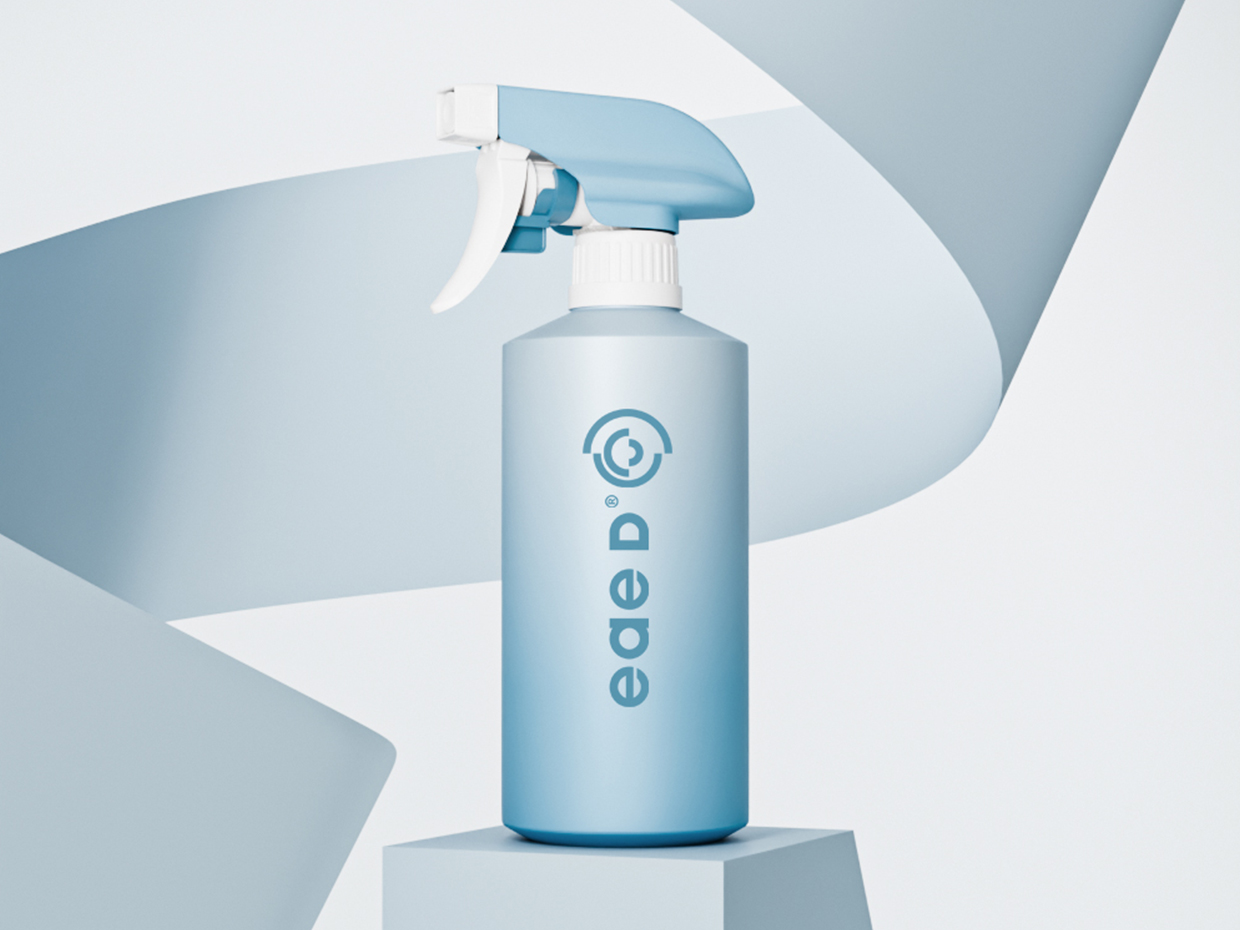
Caution
For thicker plant feeds, oil-based treatments, or liquids with suspended particles, a wand sprayer's wider pathway reduces the frequency of blockages — even though its overall cleaning routine takes longer to complete.
Comparing Maintenance Factors Side by Side
The table below summarizes the core maintenance differences users should weigh before choosing between a trigger sprayer and a wand sprayer for regular use.
| Maintenance Factor | Trigger Sprayer | Wand Sprayer |
|---|---|---|
| Average cleaning time | 1–2 minutes | 5–10 minutes |
| Disassembly complexity | Low | Moderate to High |
| Clogging risk with thick liquids | Higher | Lower |
| Number of internal parts | 3–5 | 6–10 |
| Typical replacement frequency | Every 6–12 months | Every 12–24 months |
As shown, trigger sprayers win on speed and ease of cleaning, while wand sprayers often last longer between full part replacements, largely due to their sturdier pump construction and thicker-walled tubing.
Practical Tips to Extend the Life of Both Sprayer Types
Regardless of which sprayer you use, a few consistent habits can dramatically reduce maintenance headaches and extend product lifespan.
For Trigger Sprayers
- Rinse the nozzle and dip tube with warm water after each use
- Avoid leaving concentrated chemicals sitting in the trigger head overnight
- Store the sprayer upright to prevent internal drips and seal wear
- Replace the nozzle cap every six months for high-frequency household use
For Wand Sprayers
- Depressurize the tank fully before storage to protect the pump seal
- Flush the entire tubing system with clean water, not just the nozzle tip
- Inspect O-rings annually and replace if cracked or hardened
- Avoid letting fertilizer or pesticide residue dry inside the wand overnight
Following these routines consistently can extend the usable life of either sprayer type by several months to over a year, based on feedback from commercial landscaping and cleaning service providers who track equipment turnover.
Cost Implications of Maintenance Differences
Maintenance frequency directly affects long-term cost. A basic trigger sprayer typically costs between $1 and $5 per unit, making replacement inexpensive when a nozzle clogs beyond repair. In contrast, wand sprayers, particularly pump-based garden models, range from $15 to $60, so users have a stronger financial incentive to maintain them properly rather than replace them outright.
Worth Noting
For businesses purchasing sprayers in bulk, such as cleaning companies stocking a mini trigger sprayer for spot-treatment tasks, the low individual cost means maintenance is sometimes deprioritized in favor of simply replacing worn units. Wand sprayer owners, however, are more likely to invest time in cleaning and part replacement because the upfront cost is higher and full replacement is less economical.
Final Takeaway for Choosing Based on Maintenance Needs
If minimal maintenance time is your top priority, especially for daily household or light commercial cleaning tasks, a trigger sprayer is the more practical choice. Its simple design, quick disassembly, and low replacement cost make it well-suited for frequent, low-effort upkeep. However, if you regularly work with thicker liquids, fertilizers, or pest-control chemicals over larger areas, a wand sprayer's more durable construction and lower clogging risk may justify the extra cleaning steps involved.
In Summary
Ultimately, the right choice depends on how often you spray, what liquids you use, and how much time you're willing to invest in upkeep. Matching the sprayer type to your specific use case will reduce both maintenance frustration and long-term replacement costs.