Trigger Sprayer Design: Pressure, Grip, and Material Decisions That Shape Performance
A one-millimeter change in a trigger sprayer's vent path can decide whether a bottle arrives dry or leaves a wet ring on a retail shelf. That is why trigger sprayer design is rarely a purely visual exercise: the useful starting point is the failure the package must prevent, not the silhouette it should create. The strongest designs treat leak control, trigger feel and material choice as one system, then prove that system against the filled formulation, the filling line and the journey to the consumer.
Design begins at the leak path
The first review question should be: where can liquid escape when the bottle is upright, inverted, warm, half-empty or squeezed inside a shipping carton? A trigger sprayer has several potential leak paths - the closure gasket, the vent, the nozzle shut-off, the check valve and the dip tube joint. Fixing only the nozzle is insufficient if the vent opens under pressure or the closure does not match the bottle neck finish.
Incoming test standards often separate static leakage, inverted leakage and drop performance, but the design decisions behind those tests overlap. A consistent closure torque, a compatible gasket and a vent that opens only when the pump chamber is under negative pressure are not optional refinements; they are the basis of a robust trigger sprayer. Packaging teams can review the wider technical advantages of plastic trigger sprayers before locking a specification.
Common trigger sprayer failure modes and where design attention belongs.
| Failure mode |
What usually exposes it |
Design question |
| Seepage at closure |
Inverted packs, temperature cycling |
Is gasket compression matched to the neck finish? |
| Dribble after spray |
Low cut-off, dirty nozzle |
Does the valve close before the trigger returns? |
| Loss of prime |
Long dip tube, air ingress |
Is the check valve positioned for quick re-prime? |
| Heavy trigger pull |
Stiff spring, small piston area |
Can output be met without excessive finger force? |
| Pattern collapse |
Viscosity shift, worn nozzle |
Will the orifice pass the production formulation? |
| Spring corrosion |
Aggressive cleaner, water-based formula |
Is a metal-free or coated spring required? |
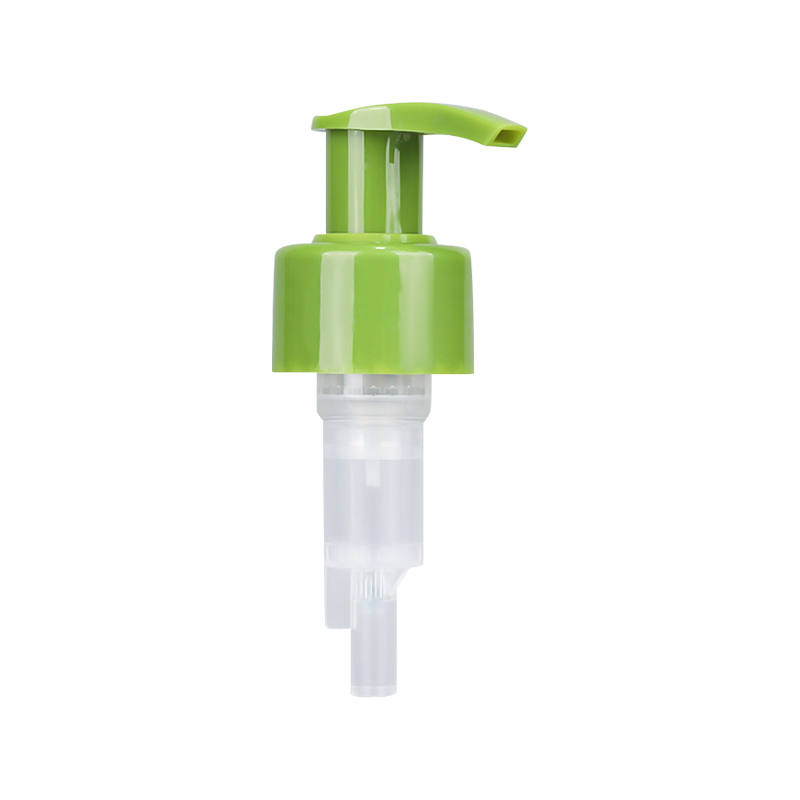
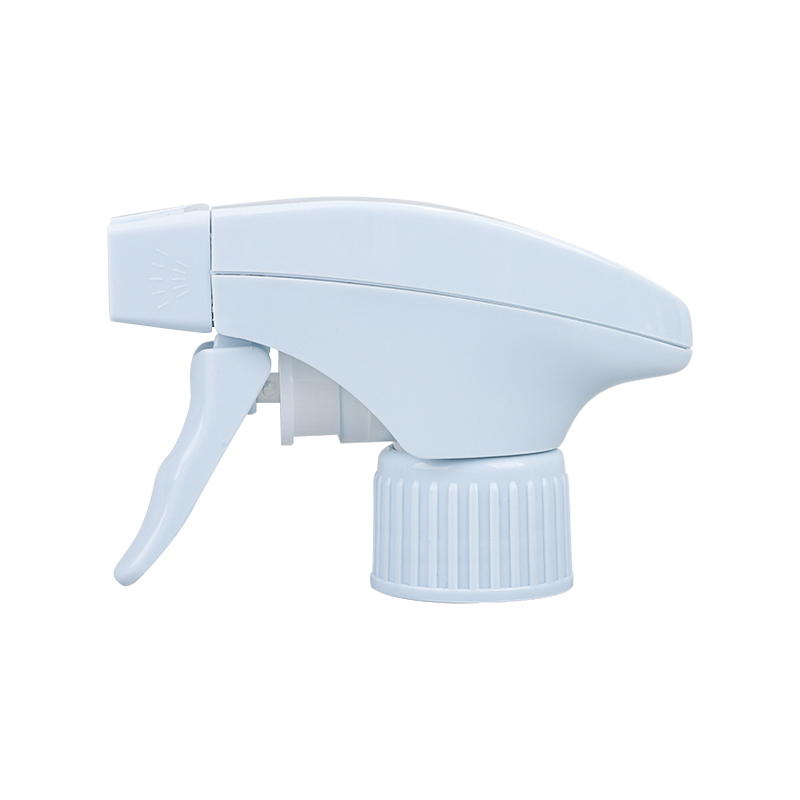
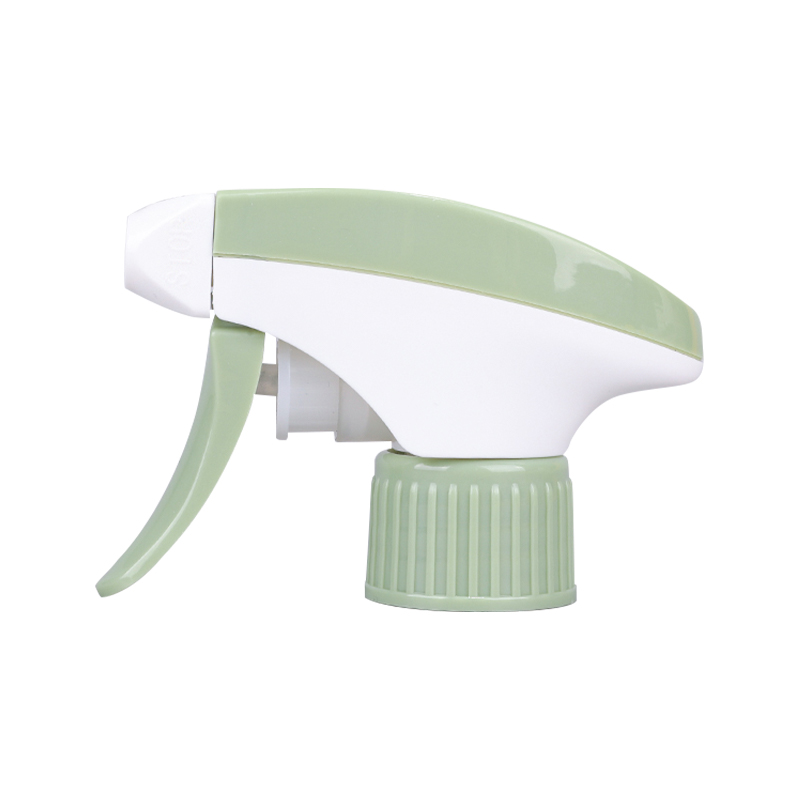 Leak-Proof Plastic Trigger Sprayer for Clean DispensingReview this plastic trigger sprayer for its sealing structure, fine mist coverage, and suitability for cleaning, gardening, and cosmetics.View Product →
What one squeeze should do
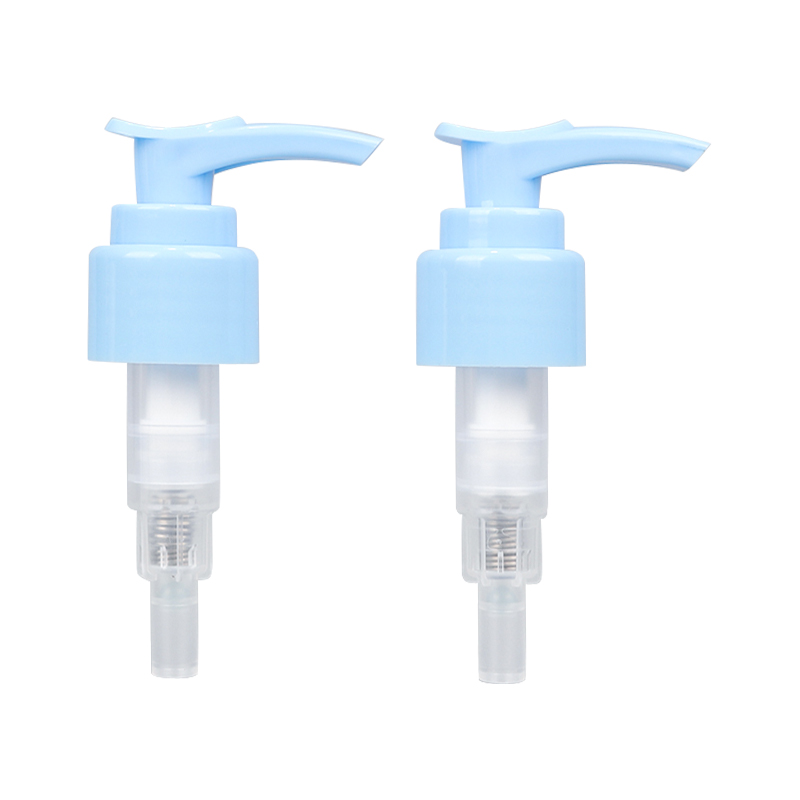
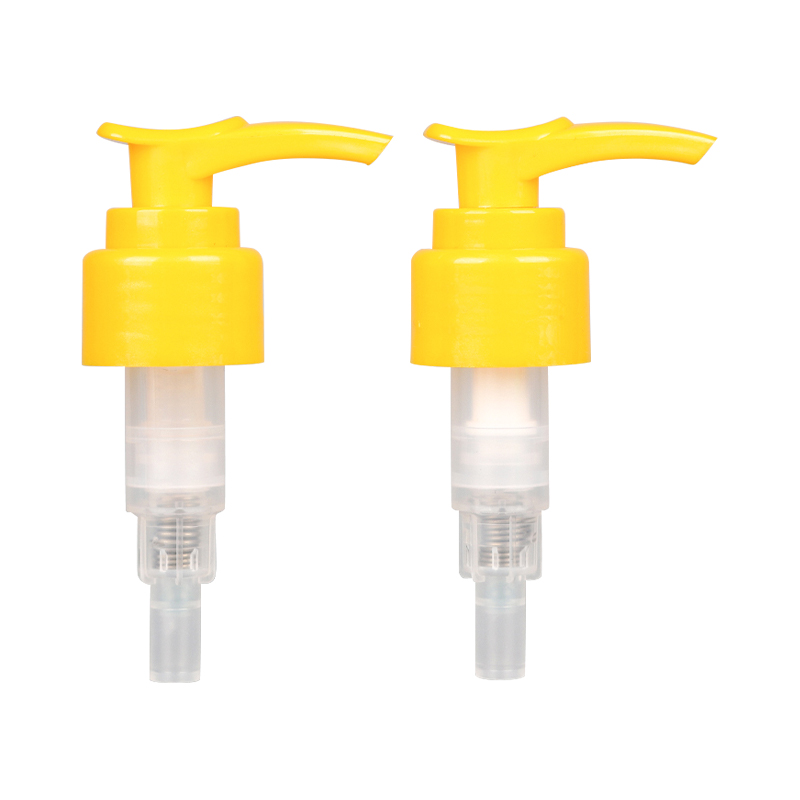
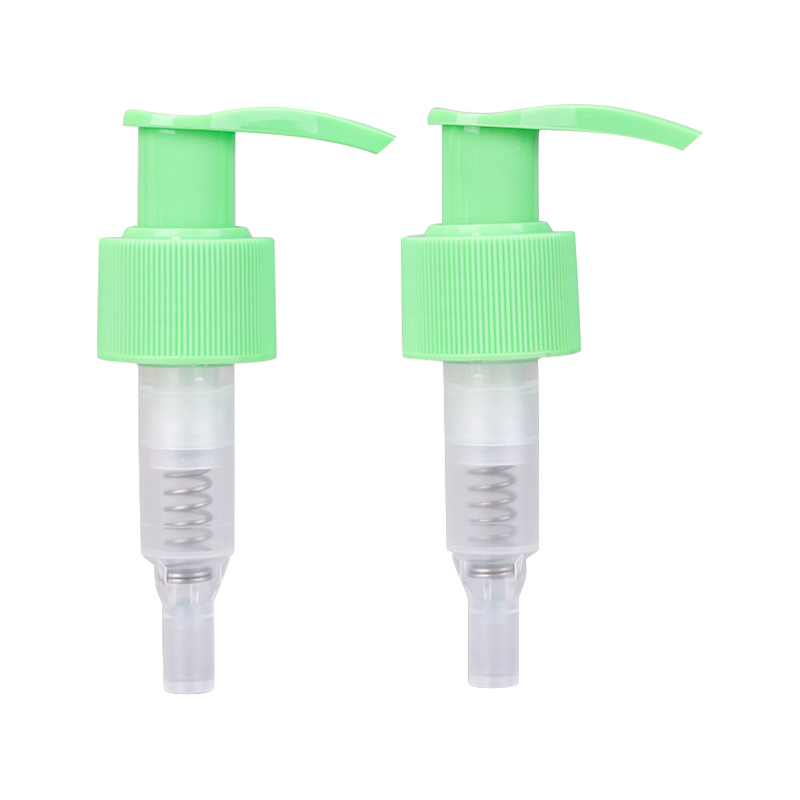
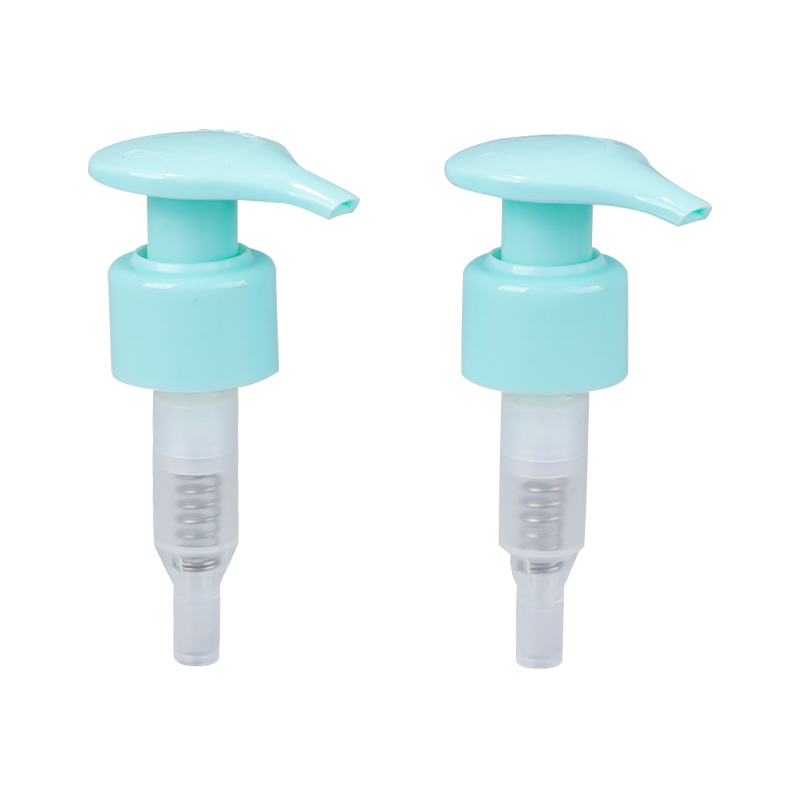
A trigger sprayer is a small pump, not just a cap with a nozzle. The design should be read as a sequence: prime, draw, pressurise, atomise, cut off and vent. If one step is weak, the user feels it as a sputter, a drip or a tired finger.
- Prime: the dip tube and check valve pull liquid into the pump chamber without letting air leak back.
- Draw: piston movement creates low pressure, and the one-way valve keeps the liquid moving in one direction.
- Pressurise: the spring and piston geometry build enough force to push the liquid through the nozzle.
- Atomise and cut off: the orifice and swirl chamber set the pattern, while the valve closes cleanly before the next stroke.
Test on the production fluid. Water is convenient for a quick line check, but it will not reveal how a surfactant-rich cleaner foams, how a viscous gel resists priming or how a solvent swells a seal. A trigger sprayer that performs on water but fails on the filled product is not a design success; it is an unfinished prototype.
Leak-proof is not a feature added at the end; it is the result of every seal, vent and cut-off working in the same rhythm.
Info: Output is not one number. A supplier may quote a stroke volume at a given viscosity and temperature, but the buyer should verify the delivered dose with the actual formulation and the intended spray pattern.
Material choices change the whole specification
All-plastic construction and metal-free springs are often discussed as sustainability upgrades, but they also change the mechanical brief. A plastic spring may need a different pre-load, wall thickness or return geometry to match the metal version it replaces. A post-consumer recycled resin can introduce colour variation and batch-to-batch stiffness differences, which matter most in the trigger and the closure.
Chemical compatibility deserves a practical test matrix: the cleaner, the preservative, the fragrance and the propellant-free formula all sit against seals, gaskets and the pump body. A low-cost material that survives a 24-hour soak can still fail after two weeks on a warm shelf. Ask for compatibility evidence at the highest and lowest expected fill temperatures, then repeat after an accelerated ageing period.
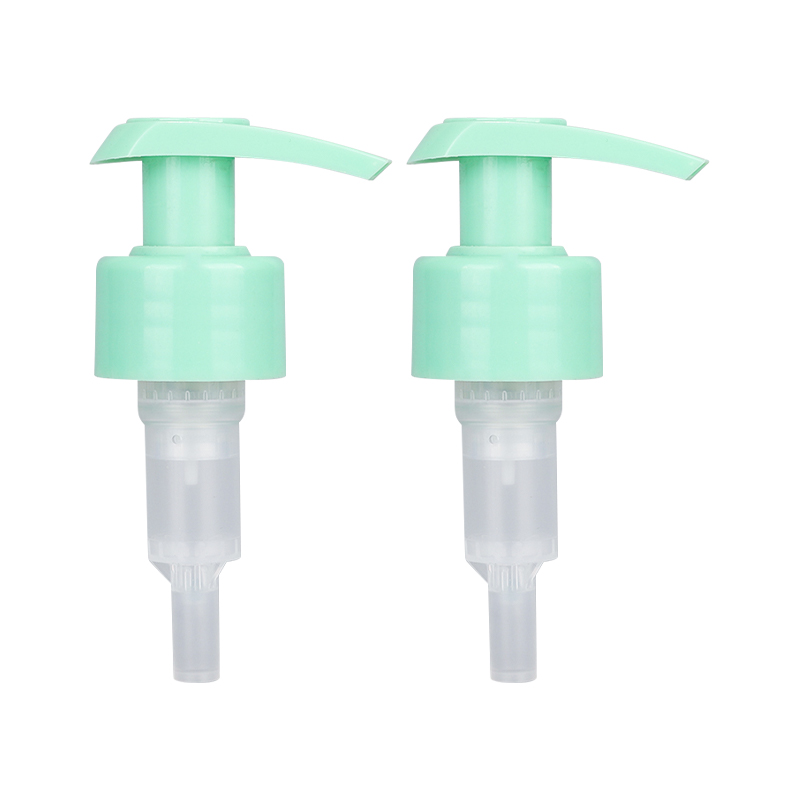
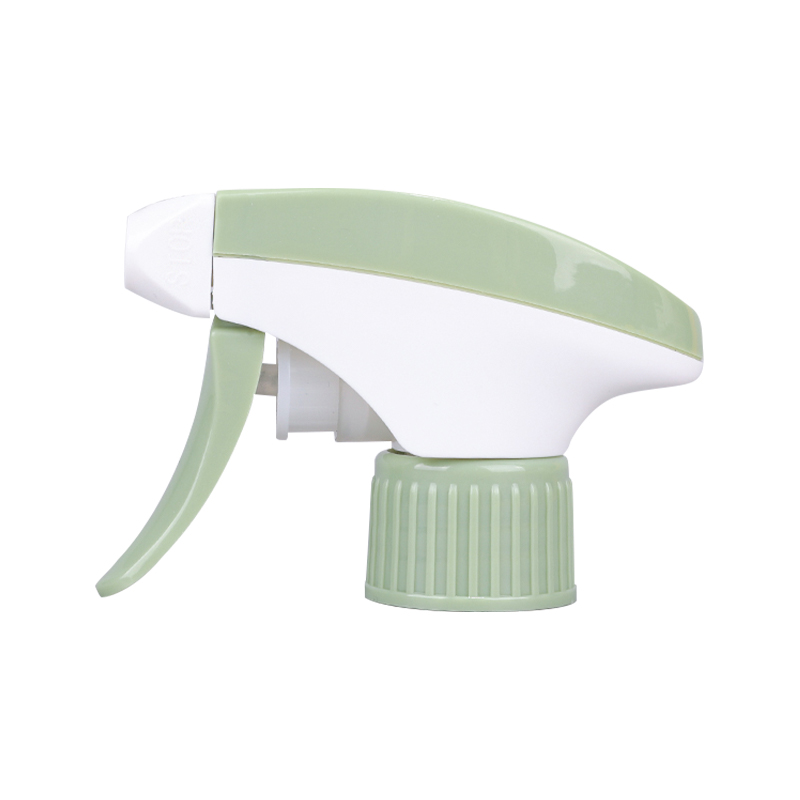
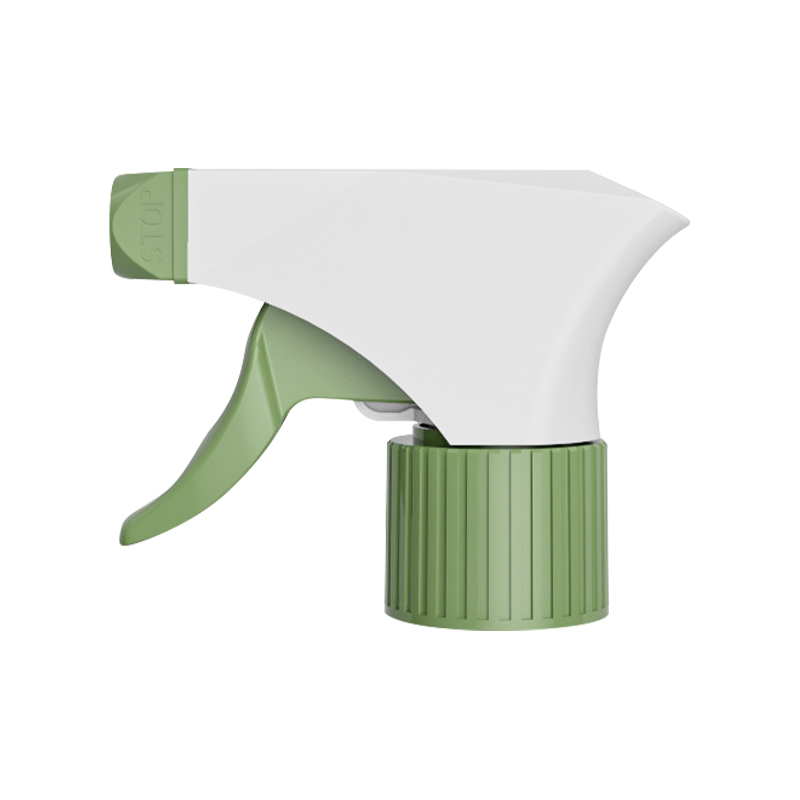 All Plastic Trigger Sprayer for Chemical-Rich EnvironmentsCheck this all-plastic sprayer for its sealed design, consistent pump output, and resistance to rust in humid or chemical-rich settings.View Product →
Warning: Do not approve a trigger sprayer on water alone. A brief trial with the production formulation often exposes swelling, stress cracking or a change in trigger force earlier than a full pack test.
Ergonomics, output and formulation fit
Trigger feel is a specification, not a matter of taste. The length of the trigger, the finger pad, the return spring and the spray distance together determine whether a user can clean a worktop or treat a plant without fatigue. For household cleaners, a longer stroke may improve coverage; for a small personal-care pack, a shorter, lighter trigger may matter more than maximum output.
Formulation fit also changes the nozzle choice. A high-viscosity liquid may need a larger orifice or a high-output trigger; a foam nozzle turns a liquid stream into a different sensory experience; an inverted trigger keeps the pickup point low when a bottle is used upside down. If the product will be sold in a trigger format, the pack should be tested in the positions people actually use: upright, tilted, inverted and near-empty.
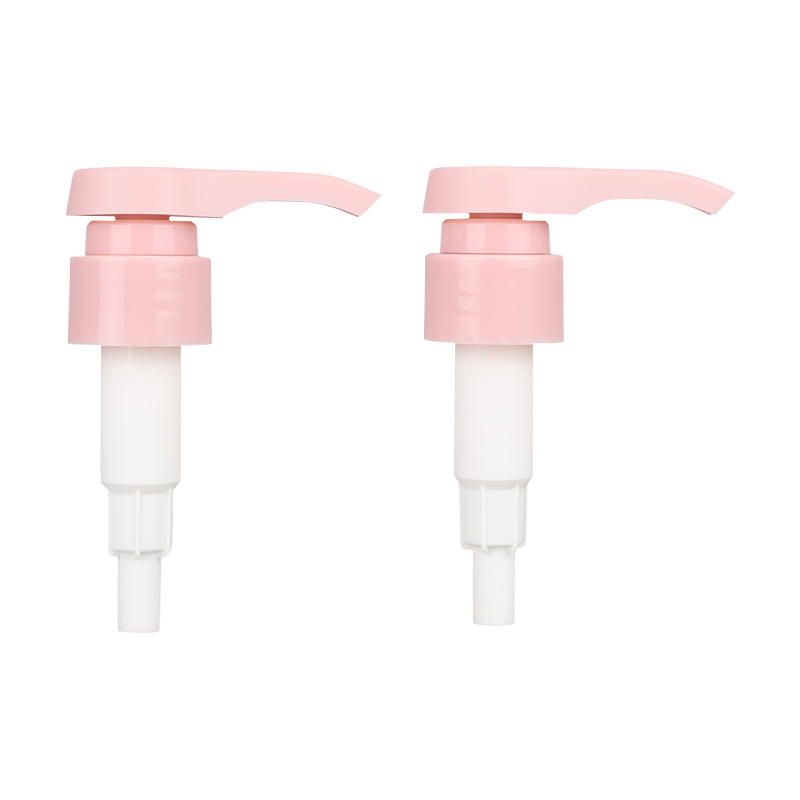
 Inverted Plastic Trigger Sprayer for Multi-Angle SprayingConsider this inverted trigger sprayer for angled or hard-to-reach areas, with adjustable trigger control to help manage liquid use.View Product →
Success: A well-matched trigger delivers a stable pattern from the first usable stroke to the last, with no drip between sprays and no sudden change in force as the bottle empties.
A qualification checklist that protects the launch
Before a trigger sprayer goes into a catalogue or onto a line, the specification should be written in measurable terms. The checklist below is a practical starting point for packaging engineers, brand owners and contract manufacturers.
- Neck finish and closure: confirm thread type, gasket material, torque range and removal force.
- Dip tube: set length from the closure to the bottle base, allowing for compression, cut angle and liquid draw.
- Leak and drop: test upright, inverted, hot-filled and after vibration, not only as a single bench check.
- Output and pattern: measure stroke volume, spray angle, particle size and cut-off across the production viscosity range.
- Trigger force: record the force needed to start and sustain a spray at the beginning and end of fill.
- Compatibility: document formulation contact, ageing and colour stability for every wetted material.
These checks are not bureaucracy. They turn a promising sample into a repeatable component, and they give the brand a defensible answer when a customer reports a leak, a weak spray or an inconsistent dose.
The design brief should fit the hand, the shelf and the waste stream
Trigger sprayer design works best when it is treated as a joined-up decision: the vent and closure protect the shelf, the spring and trigger protect the hand, and the material choice protects the waste stream. A supplier that can move from mould and automation through injection moulding and assembly has more room to tune those decisions together, but the buyer still needs to verify them on the filled pack.
Start with the leak path, test the production formulation and write the output and force limits into the specification. That approach does not make a trigger sprayer glamorous, but it makes it dependable - and dependable is what keeps a cleaning product, a personal-care formula or a garden spray on the shelf instead of in a returns bin.

 English
 русский
 Français
 Español
 italiano