Packaging specification guide
All Plastic Trigger Sprayer: What to Specify Before the First Sample
A practical buying brief for brands and converters who need a spring-free trigger that survives filling, repeated use, export transit and the return desk.
The short answer: do not choose an all plastic trigger sprayer from a photo and a neck size. Approve it against the bottle, formula, fill line, spray pattern and shipping route. The usual failure is not a dramatic mould defect; it is a small mismatch between gasket compression, dip-tube length, valve response and storage position. That shows up as a slow leak, weak prime or a drip after use.
Ask instead: which parts are plastic, how is the spring isolated, and what evidence shows the assembled pack will behave in my conditions? That turns a vague category into a testable specification.
Start With the Word All-Plastic
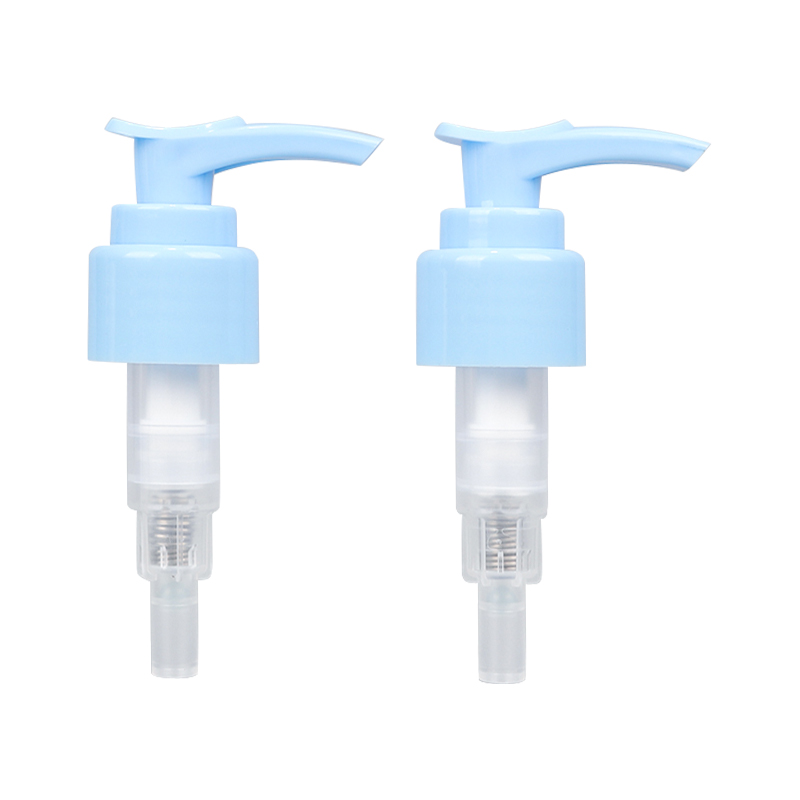
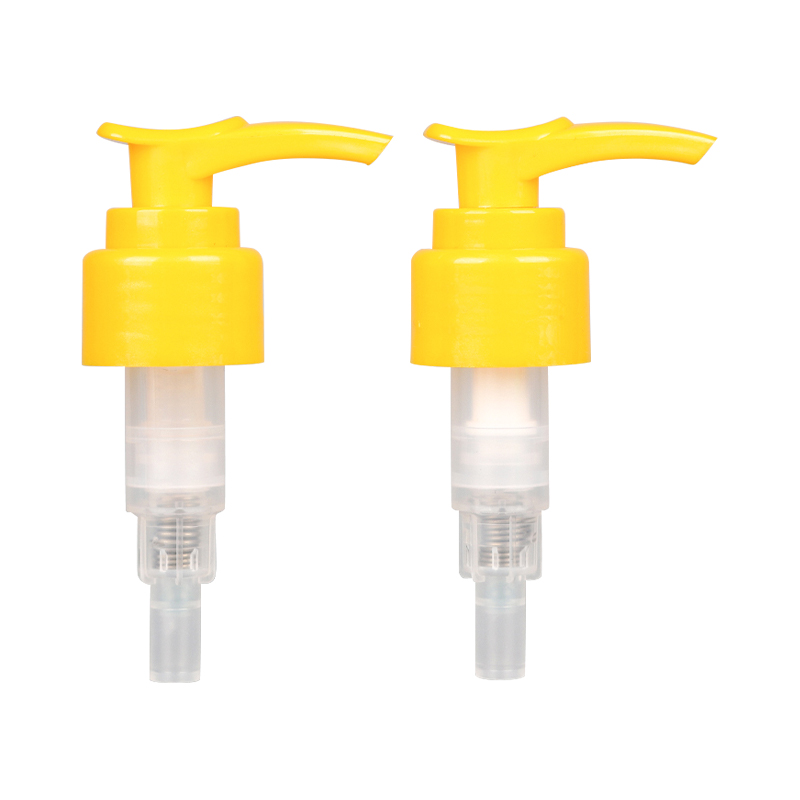
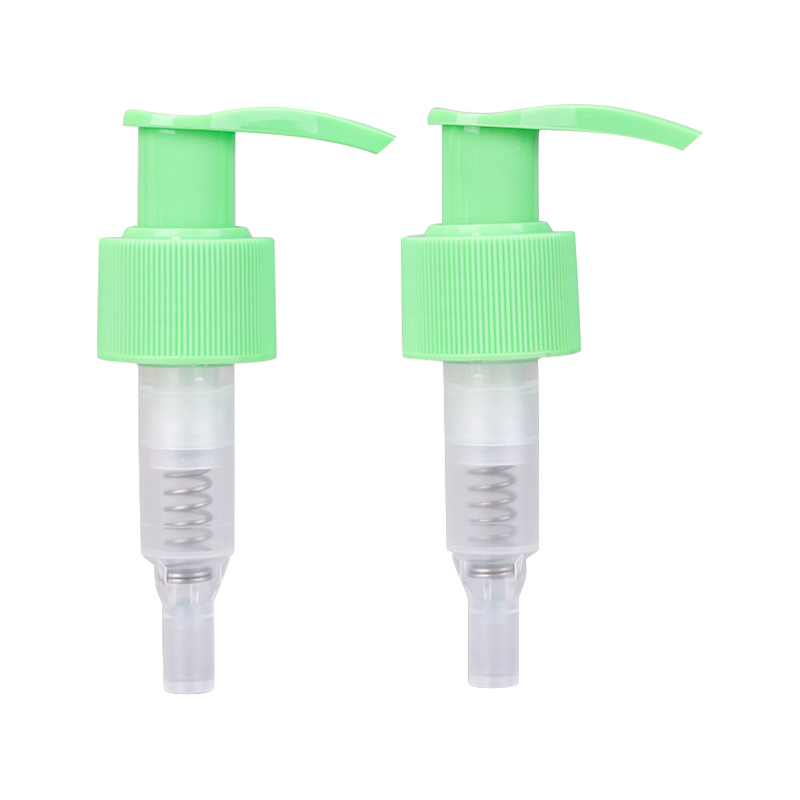
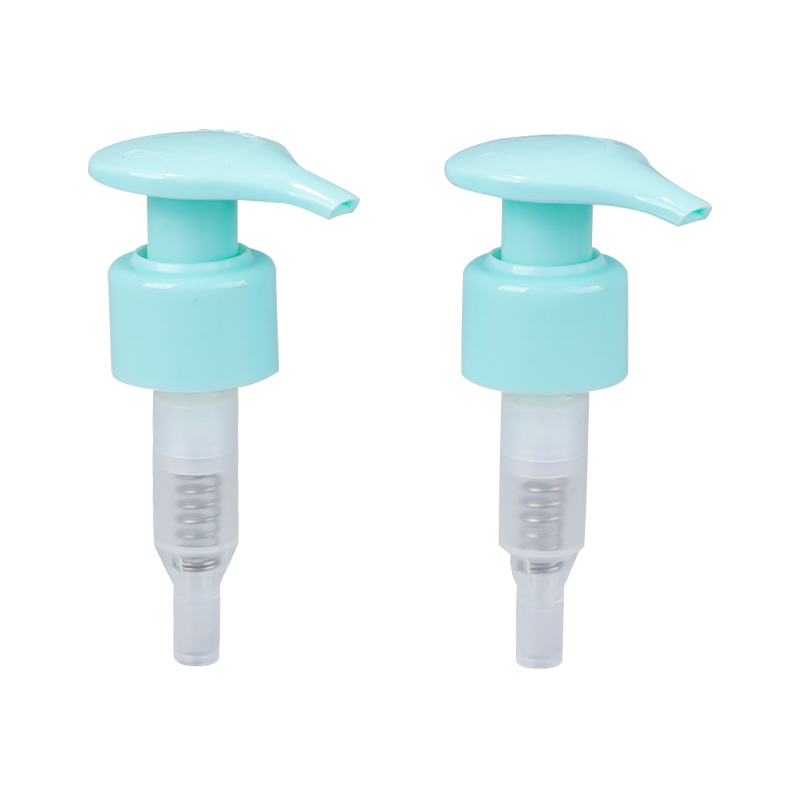
An all plastic trigger sprayer should mean more than a plastic body. The trigger, nozzle, valve components and spring arrangement all matter. In commercial language, “all-plastic” and “metal-free spring” are sometimes used loosely. One may describe the broad material family; the other may describe only the spring. Ask for a component-level material declaration and confirm whether any metal sits in the wetted path.
This affects recycling claims, chemical compatibility, corrosion risk and customer perception. It also changes the test plan. A spring-free trigger may behave differently from a metal-spring design when the formula contains surfactants, acids, solvents or fragrance oils.
- Material map: request a bill of materials by component, not one generic “PP” statement.
- Spring design: verify whether the spring is exposed to the formula or isolated by a seal.
- Claim support: match the marketing claim to the actual construction, not a category nickname.
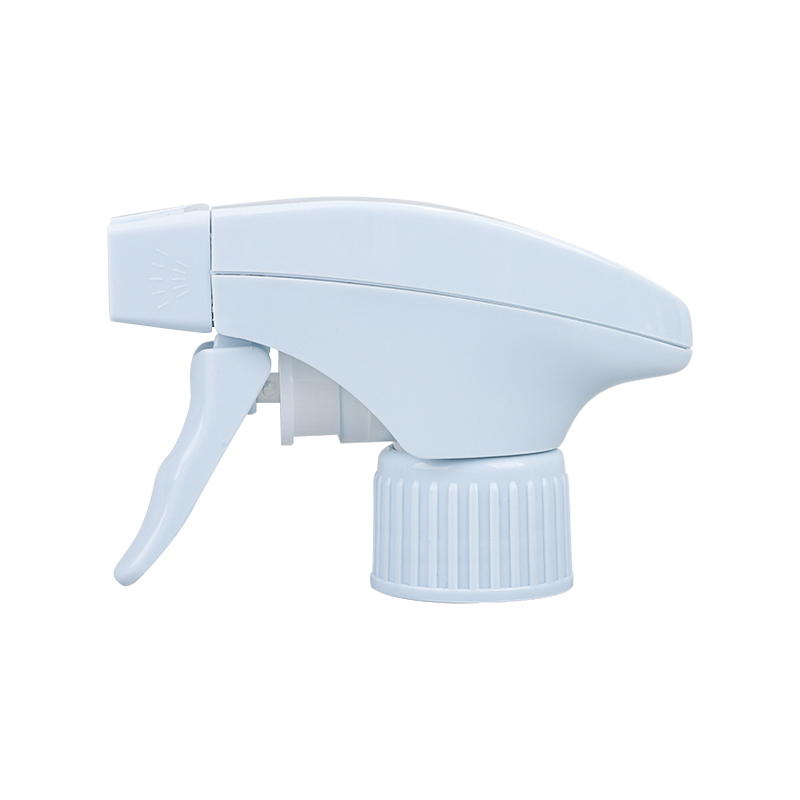
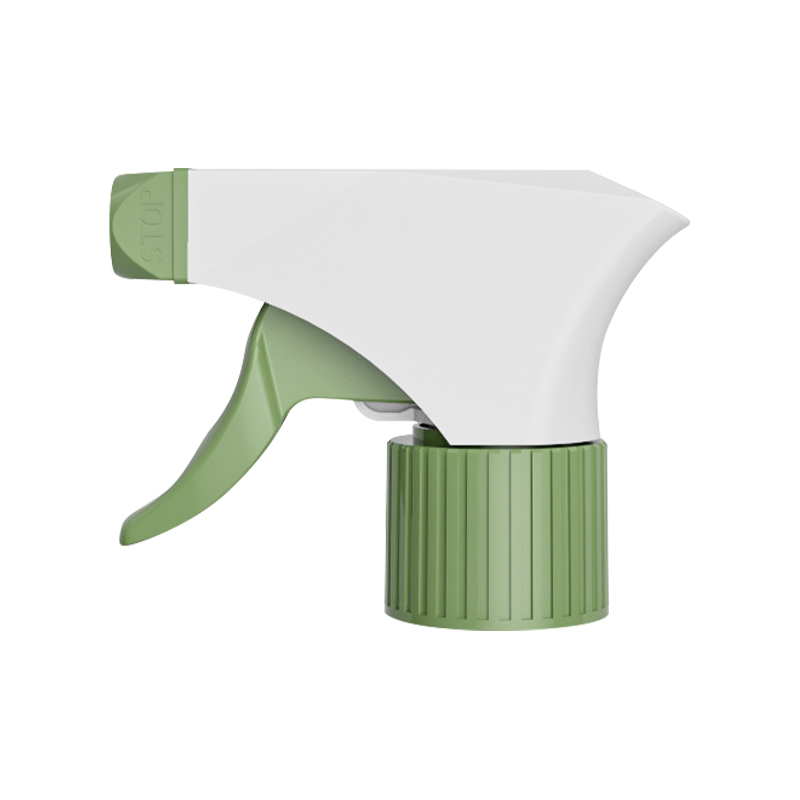 All-Plastic Trigger Sprayer for Stable Spraying and SealingAll-plastic trigger sprayer with leak-proof sealing and stable output, relevant when assessing corrosion risk, chemical compatibility and recycling claims.View Product →
Four Leak Paths Buyers Should Map
Most leak complaints are traced after the trigger has already been blamed. Check four paths. First, the bottle neck and closure: thread form, gasket compression and filling torque. Second, the spring chamber: whether product can dry into a sticky film. Third, the valve and nozzle: poor shut-off can let product weep after release. Fourth, the dip tube: cut length, insertion depth and the way it bends inside the bottle.
A pack trial should not stop at a bench spray. Check the sample after filling, a short holding period, simulated transport and repeated actuation in the orientation users will really choose. A trigger that is leak-free upright but fails on its side is not a finished specification.
A trigger sprayer can pass a clean-water bench test and still fail after transit; test the complete pack in the orientations and temperatures the product will meet.
| Checkpoint |
What to record |
Why it matters |
| Neck finish |
Thread designation, gasket type, application torque and removal torque |
A diameter label is not a specification; small thread and gasket differences change seal performance. |
| Spring area |
Spring material, isolation method and drainage behaviour |
Residue can bridge seals or stiffen action over time. |
| Valve and nozzle |
Prime time, shut-off behaviour, drip after use and pattern |
Clean shut-off is part of leak prevention, not only user experience. |
| Dip tube |
Cut length, insertion depth and bottle-bottom clearance |
Too long can curl; too short can starve the valve as the bottle empties. |
Procurement note: Put the pack orientation into the approval form. “Upright only” is a legitimate result, but it must be written down, tested and reflected in carton design and user instructions.
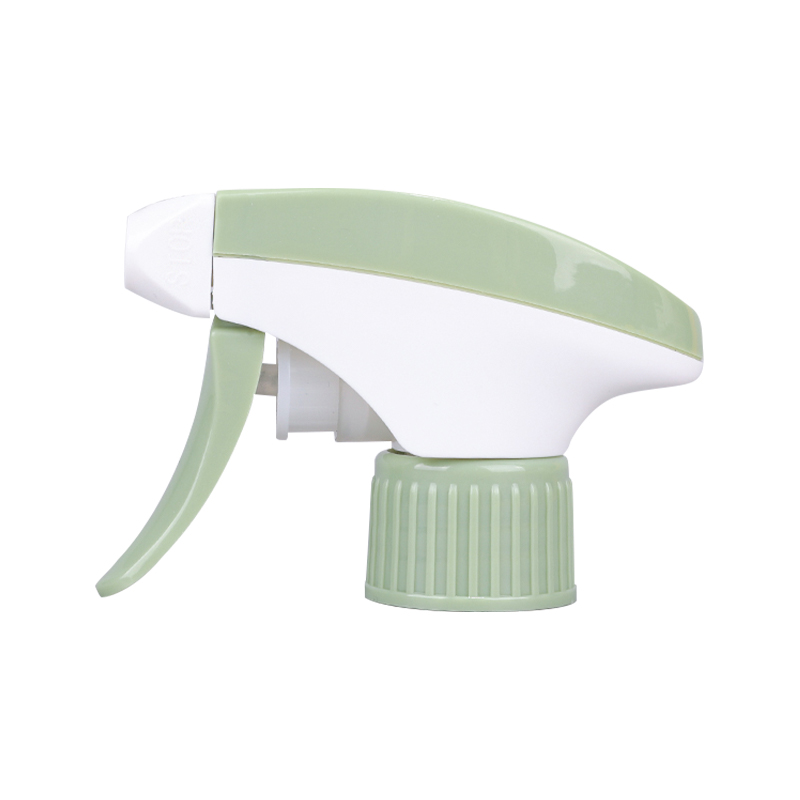
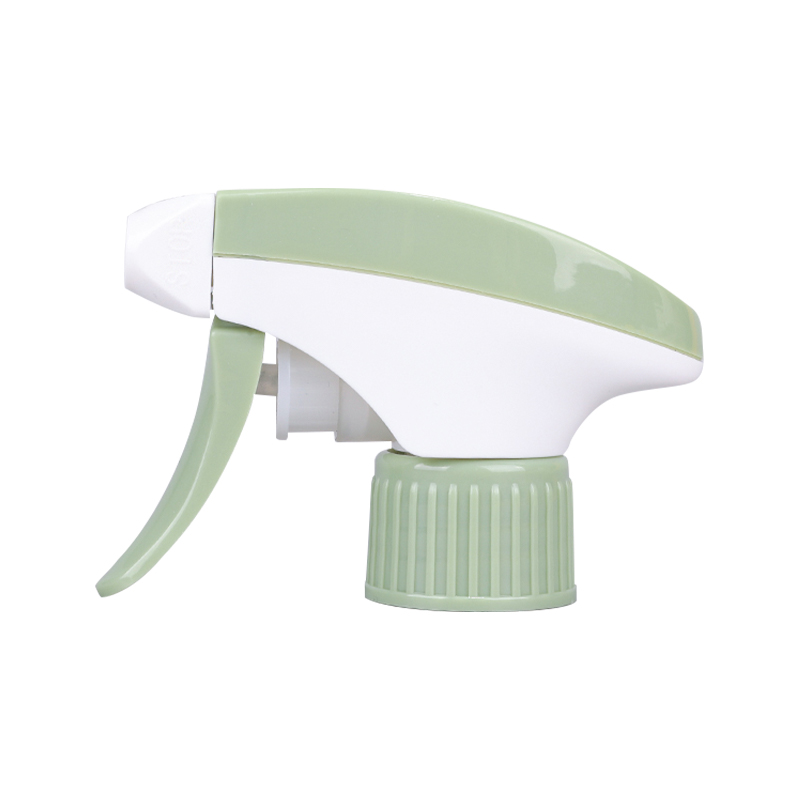 Leak-Proof Plastic Trigger Sprayer for Fine Mist OutputPlastic trigger sprayer with precise sealing and fine mist output for cleaning, gardening and cosmetics uses where leakage during carrying is a concern.View Product →
Match Output and Spray Pattern to the Liquid
Output is not a single catalogue number. It depends on stroke length, actuation speed, valve design, nozzle orifice and viscosity. A trigger intended for a thin glass cleaner may feel lazy with a gel-like bathroom formula. A high-output trigger may deliver the dose you want but produce a pattern that is too coarse. Ask for a dose range at a stated actuation rhythm, plus a pattern sketch at a stated distance.
A trigger that delivers the right volume with the wrong pattern still creates complaints. Approve the dose and the spray together, on the real formula, at the real distance.
For viscous liquids, confirm reliable priming and clean trigger return. For upside-down use, review the air path and valve arrangement explicitly. An upright-only design can be sound but unsuitable for the job. Test the angle the user will adopt rather than assuming the bottle stays vertical.
Our broader guide to plastic trigger sprayer functionality and applications covers the anatomy in more detail; the purchasing point is simpler. Write the use case into the brief before the sample request.
 Inverted Plastic Trigger Sprayer for Multi-Angle SprayingPlastic trigger sprayer with inverted configuration and adjustable trigger control, intended for spraying difficult-to-reach areas at multiple angles, including upside down.View Product →
What Belongs in the Purchasing Specification
A good specification is short enough to be used and precise enough to be tested. It should identify the bottle, formula, fill volume, target output, spray pattern, use orientation, expected actuations and shipping environment. It should also say who owns the dip-tube cut length, who checks first production samples and what happens when a value sits at the edge of tolerance.
- Bottle interface: neck finish drawing, gasket choice, application torque range and removal torque target.
- Construction: material declaration, spring type and isolation, colour, finish and recycled-content claim.
- Performance: prime time, dose per stroke, pattern, shut-off behaviour and drip limit after use.
- Compatibility: formula contact time, elevated-temperature storage and freeze-thaw if required.
- Mechanical life: a cycle count matched to product life, plus drop, vibration and compression tests.
- Acceptance: sampling plan, visual limits, leak criteria and authorised deviation route.
Do not confuse a tight tolerance with a useful one. A dip tube specified only by nominal length, or a neck finish described only by diameter, leaves the supplier guessing and the buyer exposed. Put the measurement method in the document. A leak test that uses a different torque from the filling line is not a shared test.
Validation That Predicts Field Performance
Validation should be deliberately boring. Fill production-representative bottles with the real formula, apply the intended torque, and age them in the orientations that match warehousing and transport. Actuate them through an agreed cycle count, then repeat leak and spray checks. Record outputs as ranges, not best-case numbers.
Warning: do not approve an all plastic trigger sprayer on water alone if the formula contains solvents, acids, surfactants or fragrance oils. Water can miss swelling, stress cracking and valve stickiness that appear only with the commercial liquid.
Test the pack as a system. A trigger may pass its own dimensional check but fail when the bottle neck is at the wide end of its tolerance and the gasket is at the thin end. Add a small matrix: low and high neck dimensions, two torque settings and the shortest and longest dip-tube cuts. If the pack survives that matrix, the specification has a real chance in production.
Why the Supplier’s Process Matters
An all plastic trigger sprayer is a small assembly with several interacting parts. Consistency depends on mould condition, resin control, spring placement, valve assembly and line discipline. A supplier’s process breadth is therefore not a brochure detail. It is a clue to how quickly a tolerance issue can be traced and corrected.
EAED, operated by Zhejiang Eaed Technology Development Co., Ltd. in Yuyao, describes a chain that includes research and development, precision moulds and automation equipment, injection moulding and automated assembly. The company also states more than 30 years of experience in spray pump components and highlights proximity to Ningbo and Shanghai ports for export. For buyers, the practical value is traceability from tooling to moulded part to assembled trigger.
Use the range as a starting point, not a shortcut. Review the trigger sprayer range, then ask which model suits your formula, output and orientation. A good supplier should be willing to say that an inverted, foam-nozzle or high-output variant is a better fit than the standard all-plastic model.
Approval habit: keep one signed golden sample, one production sample and one aged sample. Photograph the spray pattern and record torque values on the same sheet. Future disputes become a measurement conversation rather than a memory test.
The Decision Rule
Choose an all plastic trigger sprayer by matching construction, closure, valve, dip tube and nozzle to the actual bottle and formula. Then prove the assembled pack through filling, ageing, transport, repeated use and the orientations the user will really adopt. The lowest piece price is not the lowest total cost if the trigger leaks, starves, drips or forces a line stoppage.
Before the next sample request, reduce the brief to five lines: bottle neck and gasket, formula and viscosity, target dose and pattern, use orientation, and the tests that count as approval. That is enough to separate a plausible catalogue item from a production-ready component.

 English
 русский
 Français
 Español
 italiano