Cooking Oil Trigger Sprayer Bottles: Small Hardware, Big Consequences
A refillable trigger bottle can retire aerosol cooking spray for good — but only when the seal, the spring and the nozzle are chosen for oil rather than water.
Fill a 500 ml trigger bottle with olive oil, spray a sheet pan twice a day, and nothing appears to go wrong for about three weeks. Then the trigger stiffens, a ring of oil collects beneath the nozzle, and the last 50 ml refuses to leave the bottle. Nothing has failed dramatically. A pump designed for water-based cleaner has simply been asked to move a liquid 60 to 80 times more viscous than water, at room temperature, every day.
So here is the conclusion first. A cooking oil trigger sprayer bottle is rarely a bottle problem or a nozzle problem. It is a compatibility problem at four contact points — the orifice insert, the return spring, the elastomer seals and the dip tube — plus one structural decision about whether you need to spray from a tilted or a fully inverted bottle. Get those five items right and a refillable trigger bottle outlasts a shelf of aerosol cans. Miss one and the failure surfaces in the same place every time: at the seal.
What a Cooking Oil Trigger Sprayer Bottle Actually Is
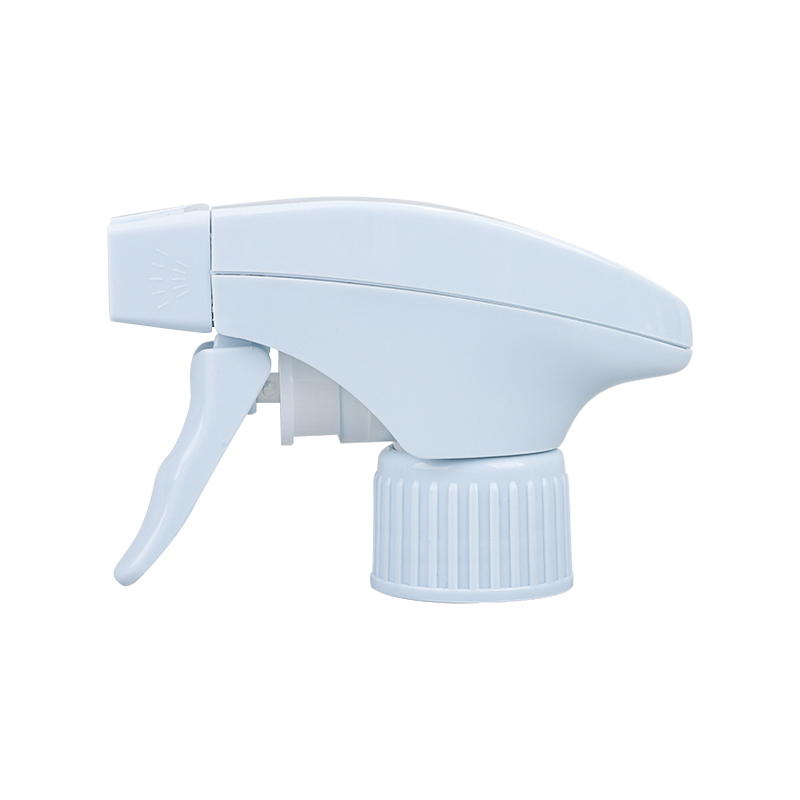
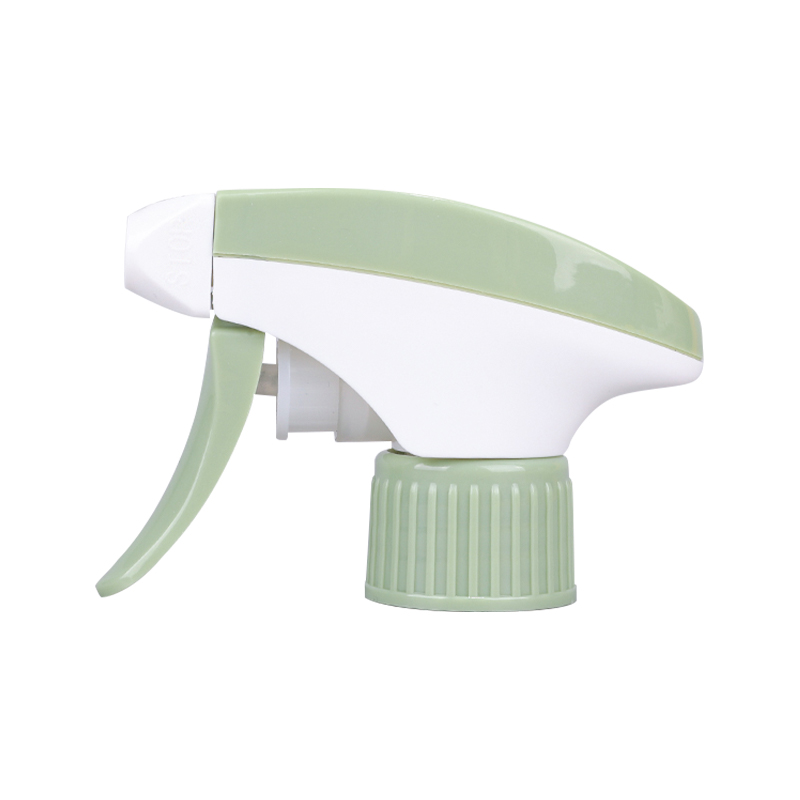
A trigger sprayer is a positive-displacement pump. Pulling the trigger compresses a chamber and pushes liquid through a small orifice; releasing it opens a return valve while the spring drives the piston back and the dip tube refills the chamber. There is no propellant, no pressurised can and no alcohol carrier, which is exactly why cooks move to a refillable oil bottle in the first place.
Three numbers describe most of what you feel at the stove:
- Output per stroke. Most trigger heads deliver 0.7 to 1.3 ml per full stroke; high-output versions reach 1.5 to 2 ml. On a 500 ml bottle, a full pan takes a handful of strokes rather than a dozen.
- Droplet size. A non-aerosol trigger breaks oil into droplets measured in hundreds of microns, while an aerosol cooking spray lands closer to a fine fog. Expect a coarse spatter that spreads on contact with a hot pan, not an even mist.
- Viscosity window. Cooking oils sit around 50 to 85 mPa·s at room temperature and thin quickly once warmed. A pump validated with water, at roughly 1 mPa·s, tells you almost nothing about how it will move oil.
In practical terms, you are not buying a mister. You are buying a pump head, a gasket set and a bottle, and all three have to be aimed at the same liquid.
The Four Contact Points That Decide Everything
Oil is a lubricant, a carrier for flavour compounds and a patient aggressor against the wrong elastomer. Four components carry nearly all of the risk, and each one has a material trade-off worth writing into the specification.
Table 1. How each component of a cooking oil trigger sprayer bottle behaves after months of contact with vegetable oil.
| Component |
Common material |
Behaviour with cooking oil |
What to specify |
| Orifice insert |
PP, sometimes POM |
Dried oil bridges holes below about 0.4 mm; an oversized hole turns spray into a stream |
Orifice diameter plus a spray pattern tested with your own oil |
| Return spring |
304 stainless or engineering plastic |
Stainless resists rust but stays in permanent contact with a food liquid |
Whether any metal may touch the oil |
| Piston seal and gaskets |
NBR, EPDM, silicone, FKM |
NBR and FKM resist oil; EPDM swells noticeably; silicone swells slowly |
Oil-immersion swell data, not a generic chemical chart |
| Dip tube |
LDPE |
Softens in warm oil and can curl away from the base of the bottle |
Length cut to clear the bottle base by 1 to 2 mm |
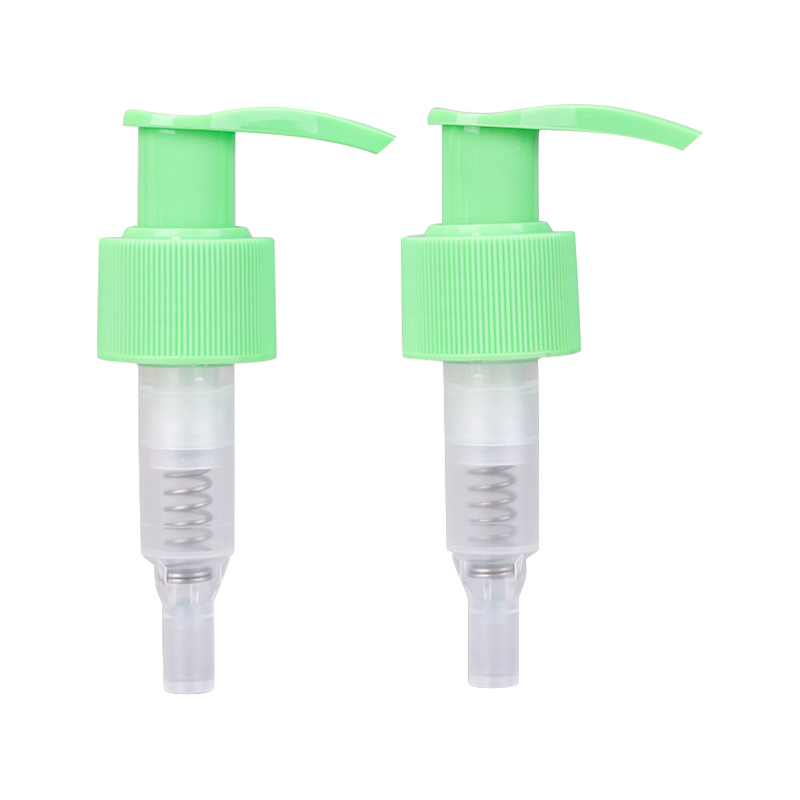
The spring deserves its own sentence. A stainless spring will not rust in oil, but it is still metal living inside a food-contact liquid for months, and it splits the pump head into mixed materials at end of life. An all-plastic trigger sprayer removes both problems at once: nothing metallic touches the oil, and the head can be processed as a single polymer stream.
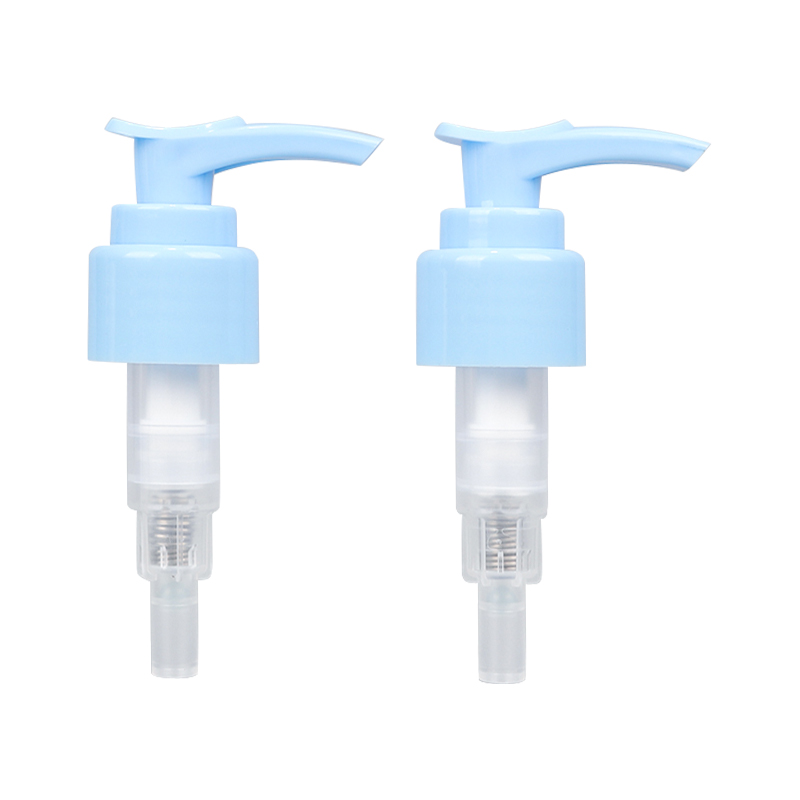
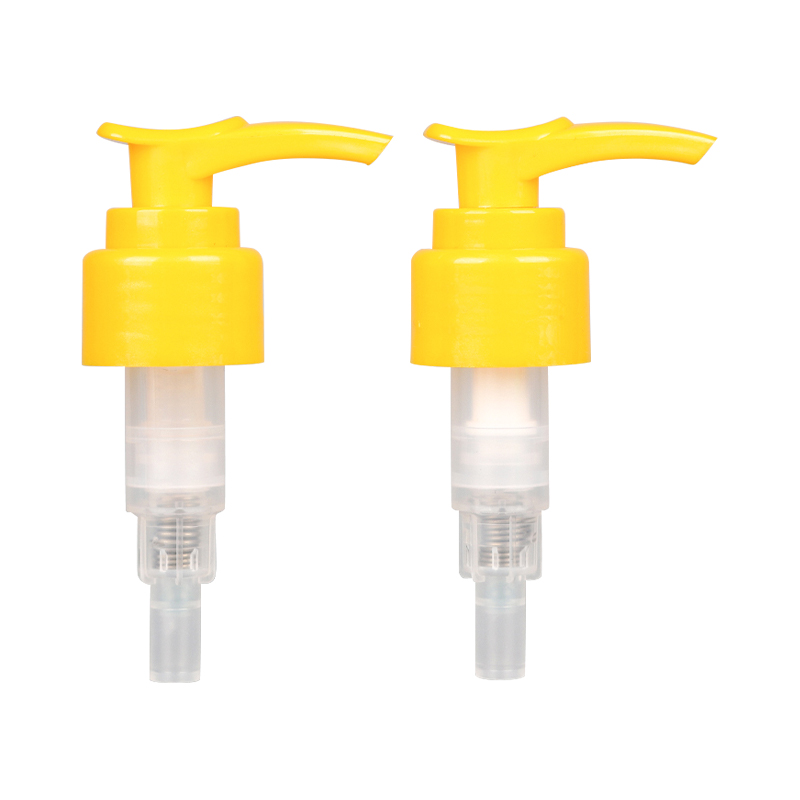
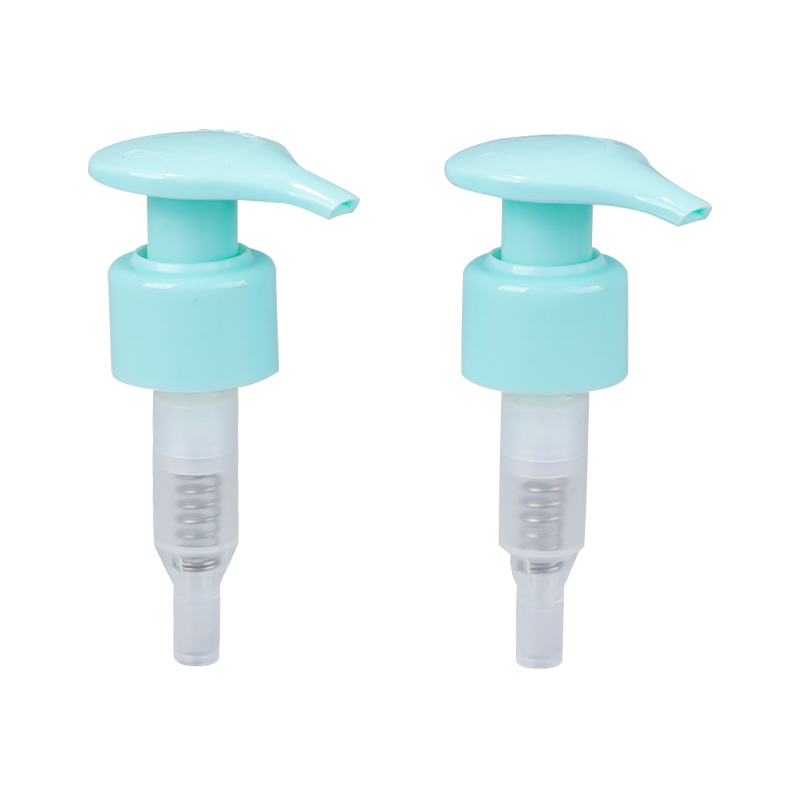
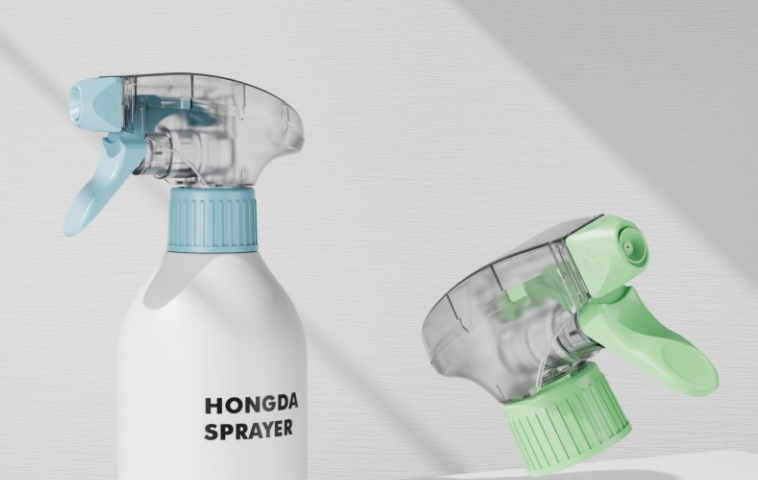
Head families differ in behaviour as well as material. The wider trigger sprayer range splits into standard and plastic bodies, inverted versions whose pickup works when the bottle is held upside down, foam-nozzle variants for aerated liquids and high-output models built for thicker formulations. The same bottle can carry a very different pump depending on what is inside it.
Where Oil Breaks Trigger Sprayers in Practice
Four failure modes explain almost every complaint that reaches a kitchen drawer or a returns desk.
Clogging at the orifice
The orifice insert is where oil meets its first hard limit. Below roughly 0.4 mm, dried residue and fine particles bridge the hole after a few weeks and the spray narrows or stops altogether. Above 0.6 mm the pattern degrades into a squirt. Flushing the head with warm soapy water and then clear water restores most clogged units, but no cleaning routine rescues an orifice that was specified too small for the oil.
Set expectations early. A trigger sprayer will never match aerosol atomisation, because the design cannot. It replaces propellant and carrier with a coarser spray that uses slightly more oil per pan, and in exchange there is no propellant residue and no can to discard.
Seal swell and weeping
This is the failure that generates returns. A gasket that has swollen by a few percent still looks intact, yet it no longer seals cleanly: oil creeps past the piston, gathers in the nozzle shroud and drips down the bottle onto the shelf. Nitrile and FKM gaskets hold up well in vegetable oils, while EPDM swells noticeably and is the wrong choice at any price.
Watch the spring and the seal together. A metal spring paired with a swelling gasket is the worst combination available: the metal becomes a taste risk while the seal leaks. Ask for oil-immersion swell data and a spring material declaration in the same conversation.
When oil on the bottle is the specific complaint, the design answer is a sealed body with a tighter piston fit and a nozzle shroud that catches whatever the valve sheds between strokes.
The last 50 ml
Oil is normally applied with the bottle angled downward, which lifts the end of the dip tube above the liquid line as the bottle empties. A standard head then draws air and sputters while a fifth of the contents is still inside. Inverted designs use a pickup that stays submerged when the bottle is held upside down, so the whole fill can be used without decanting.
Off-flavour and rancidity
Cooking oil oxidises, and oxidation accelerates in contact with light, air and certain metals. The head is rarely the main culprit, but two details matter: keep old oil out of the orifice and the dip tube, and choose an opaque or amber bottle if the product will sit on a counter for months.
If a sample drips after 24 hours inverted at 40 °C, no amount of price negotiation turns it into a good purchase.
What to Write on the Specification Sheet
Trigger sprayer orders fail for boring reasons: a neck finish that does not match the bottle, an output figure quoted for water, a leak test run at room temperature. The list below covers the items that decide whether the first shipment is also the last one you have to replace.
Table 2. A practical specification sheet for a cooking oil trigger sprayer bottle, with the reason each line earns its place.
| Parameter |
Practical target |
Why it matters |
| Neck finish |
28/410 or 28/400 |
Most heads and bottles share these finishes; a mismatch is the most common ordering error |
| Output per stroke |
0.7 to 1.3 ml |
Sets how many strokes a pan takes and how quickly the bottle empties |
| Orifice diameter |
0.4 to 0.6 mm |
Smaller holes clog with dried oil; larger ones spray a stream |
| Spring material |
Engineering plastic or 304 stainless |
Determines metal contact with the oil and how easily the head is recycled |
| Seal material |
NBR or FKM |
Oil resistance; EPDM swells and leaks |
| Trigger force |
Below roughly 25 N |
Repeated daily use, and comfort for users with a weaker grip |
| Leak test |
24 hours inverted at 40 °C |
Warm storage is when seals fail; a room-temperature test hides the problem |
| Cycle test |
10,000 to 30,000 strokes |
A cheap proxy for service life before tooling is committed |
Test with the real liquid. Soak the head in the finished oil for 48 hours at 40 °C, run 10,000 strokes, then leave the bottle inverted for 24 hours. Three days of testing catches seal swelling, trigger fatigue and leakage long before a container ships.
Bottle Choice: HDPE, PET or Glass
The bottle is the inexpensive half of the assembly, and the half most likely to look wrong. HDPE is opaque, tolerant of nearly any oil and the safest choice for citrus-infused products, where limonene can stress-crack PET over time. PET is clear and flatters the colour of the oil, which suits retail kitchenware, but it asks for more care with heavily flavoured infusions. Glass reads as premium and weighs accordingly, so it needs a reliable neck finish and, ideally, a sleeve for grip once the surface is oily.
Two dimensions deserve a ruler rather than an estimate. Cut the dip tube to clear the base by one to two millimetres; too long and it curls against the bottom, too short and 30 to 50 ml never leaves the bottle. Leave headspace above the fill line as well, because an overfilled bottle pushes oil out of the vent on the first stroke.
Refilling, Cleaning and End of Life
Refillable is only an advantage when the pump survives refilling. Flush the head with warm soapy water between fills, and never leave oil standing in the pump for months: it polymerises, gums the valve and stiffens the trigger. Keeping one or two spare heads in a drawer turns the product into a long-term habit instead of a single campaign.
At end of life the arithmetic is simple. A mono-material PP head with an HDPE bottle is the easiest combination to defend, because the head is the component most often refused by kerbside recycling systems. That makes reuse the first priority and material recovery the second, and it is worth reading how trigger sprayer design interacts with recycling streams before finalising a sustainability claim.
The Bottom Line
A cooking oil trigger sprayer bottle works when four contact points and one structural choice are matched to the liquid inside: an orifice wide enough to stay open, a spring that keeps metal away from the oil, gaskets that resist oil instead of absorbing it, a dip tube cut to the correct length, and an inverted pickup if the bottle will be handled the way cooks actually handle it. Specify those five items, then verify them with the real oil at warm storage temperatures. Do that and the refillable bottle stops being a compromise. Skip it and the product still works perfectly — right up until the seal gives up.

 English
 русский
 Français
 Español
 italiano