-
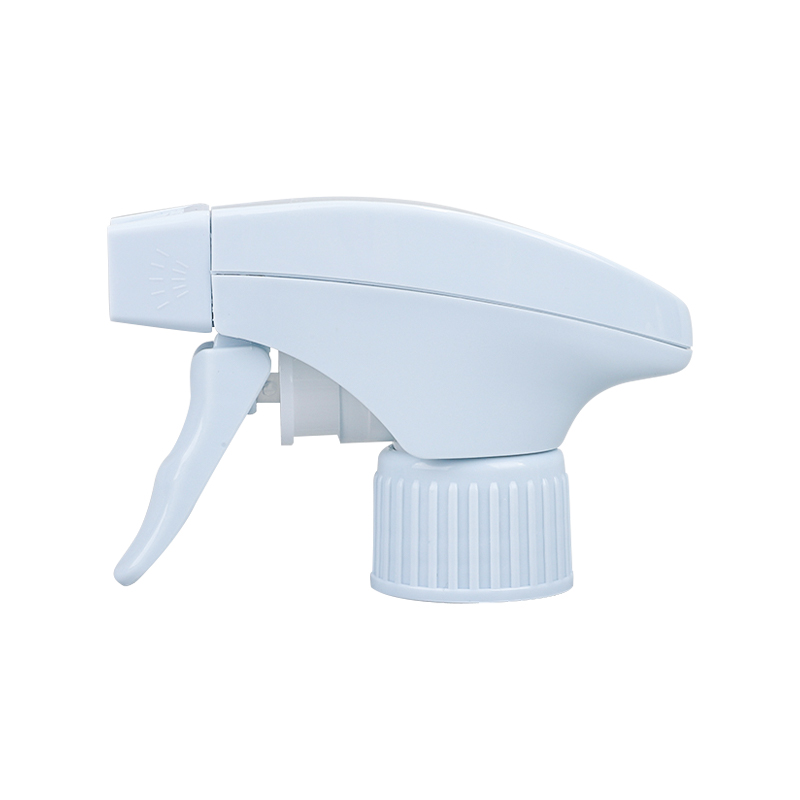
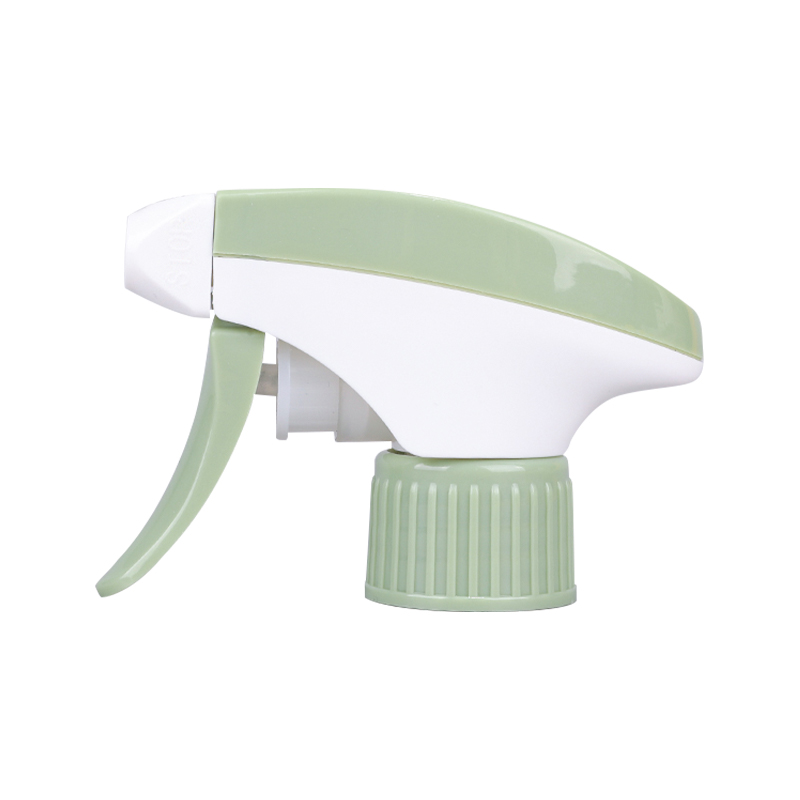
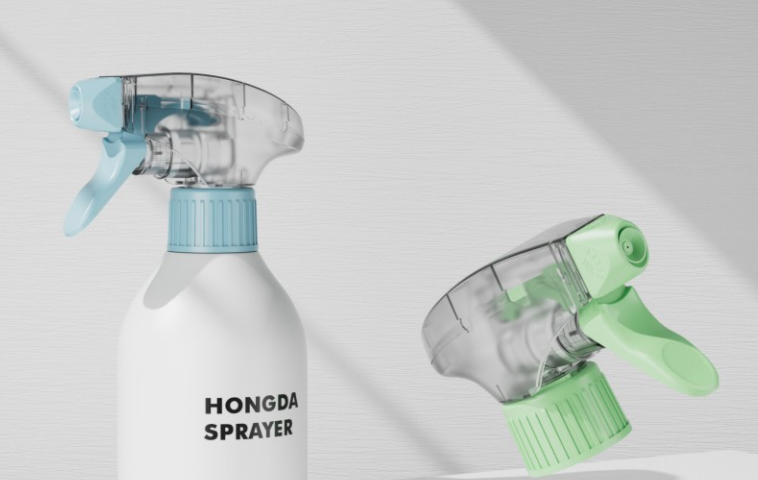
Viscosity Handling and Limitations: The operational performance of Bottle Trigger Sprayer is highly influenced by the viscosity of the liquid it dispenses. Standard trigger sprayers are generally designed for low-to-medium viscosity fluids such as water, aqueous cleaning solutions, diluted disinfectants, or light oils. Liquids with viscosity exceeding the sprayer’s design specifications can create challenges, including inconsistent spray patterns, sputtering, dripping, or complete blockage of the nozzle. For instance, fluids thicker than 300–400 centipoise (cP) may exceed the pump’s capacity, reducing flow rates and preventing proper atomization. In such cases, specialized high-viscosity sprayers are recommended; these typically incorporate reinforced pump mechanisms, wider internal tubing, and stronger trigger assemblies to accommodate thick liquids such as gels, concentrated chemicals, or certain oils without losing performance.
-
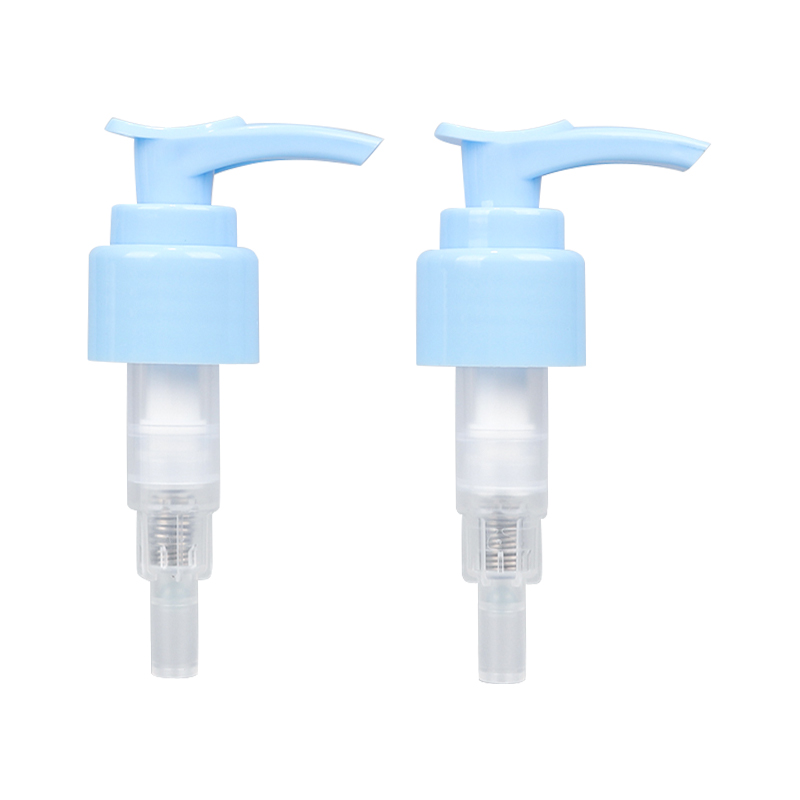
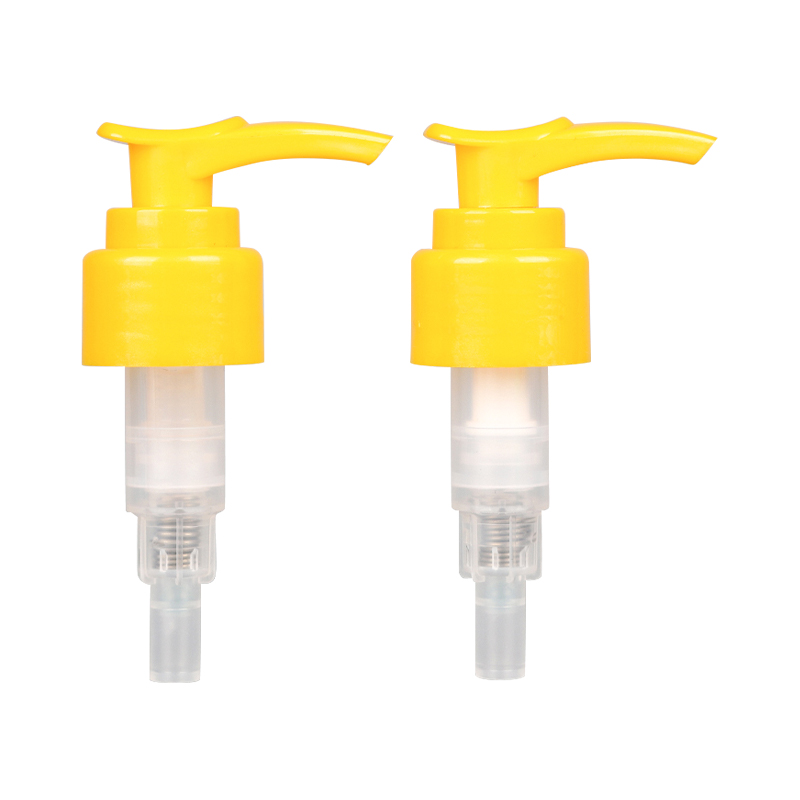
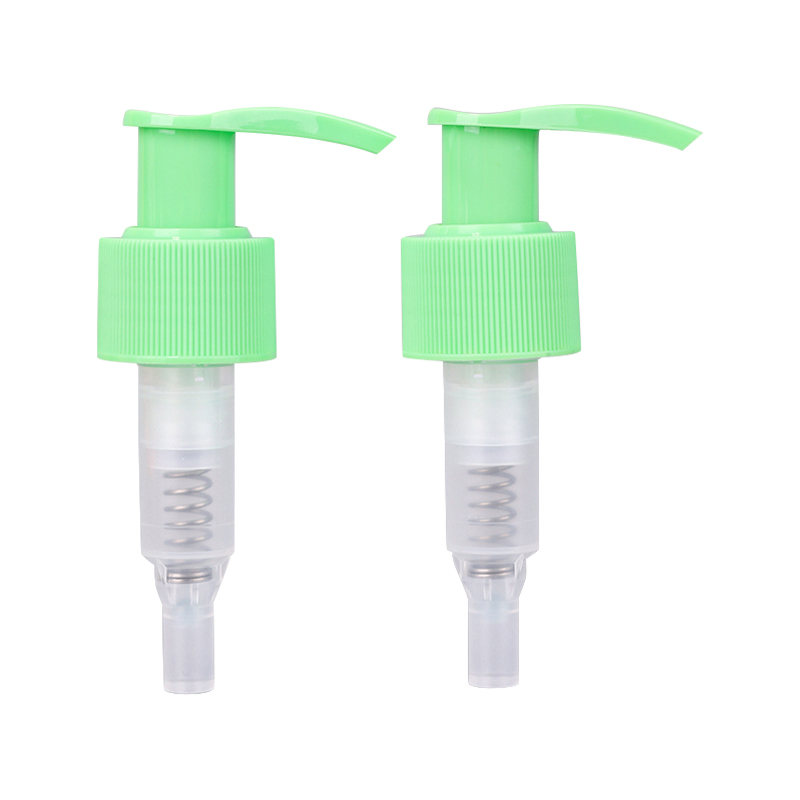
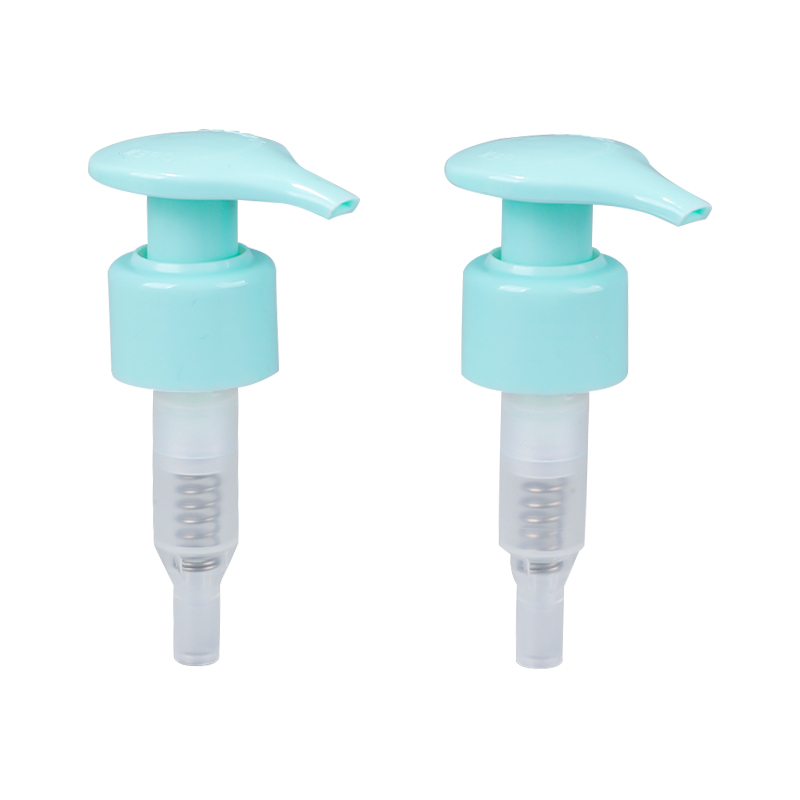
Pump Mechanism Considerations: The Bottle Trigger Sprayer operates via a piston-and-cylinder or diaphragm pump mechanism that generates suction to draw liquid from the bottle and pressurizes it for spraying. As the viscosity of the liquid increases, greater force is required to move the fluid through the system. This can lead to operator fatigue if the trigger is repeatedly pulled, and it can place stress on internal components such as seals, gaskets, and springs. Continuous use with fluids exceeding the recommended viscosity can accelerate wear, leading to leaks, reduced efficiency, or complete pump failure. Selecting the appropriate sprayer for the intended liquid ensures consistent performance while extending the service life of the pump and associated components.
-
Nozzle and Tube Design: The viscosity of the liquid also directly impacts how effectively the Bottle Trigger Sprayer atomizes the fluid. Standard nozzles are optimized for low-to-medium viscosity liquids; when thicker liquids are used, the spray may become uneven, sputtering, or flowing in an inconsistent stream instead of forming a fine mist. Internal tubing must be wide enough to allow viscous liquids to move freely without creating backpressure, which could deform the nozzle or reduce the precision of the spray pattern. High-viscosity sprayers address this challenge through reinforced tubing and adjustable nozzle designs, ensuring smooth flow and controlled dispersion even with thicker fluids.
-
Operational Performance: Using liquids within the specified viscosity range ensures that the Bottle Trigger Sprayer delivers a predictable and uniform output per trigger pull. Consistency in liquid volume and spray pattern is critical in professional or industrial applications, such as cleaning, chemical application, or cosmetic use. Exceeding the maximum viscosity can result in irregular distribution, inefficient coverage, and potential material waste. For precision-dependent applications, maintaining proper fluid viscosity ensures optimal performance, minimizes downtime caused by clogging, and maintains the ergonomics of the spraying operation.
-
Practical Recommendations: Manufacturers typically provide viscosity ratings for their Bottle Trigger Sprayers, often expressed in centipoise (cP). Users should verify that the liquid to be sprayed falls within these specifications to ensure reliable performance. For thicker liquids, operators may need to use specialized high-capacity sprayers with reinforced pump assemblies, wide-bore tubing, and adjustable nozzle mechanisms. Dilution of high-viscosity fluids, where permissible, can improve flow and atomization. Adhering to these guidelines maintains consistent spray quality, prevents mechanical strain on the sprayer, and extends the operational lifespan of the equipment, making it suitable for professional, commercial, or industrial environments.

 English
 русский
 Français
 Español
 italiano