Impact of Liquid Viscosity on Atomization
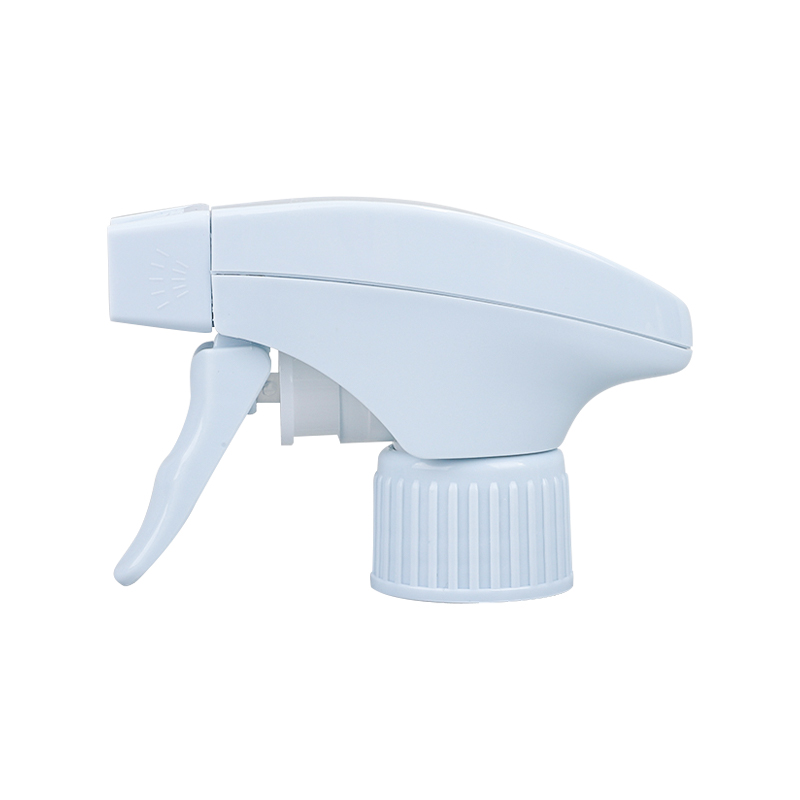
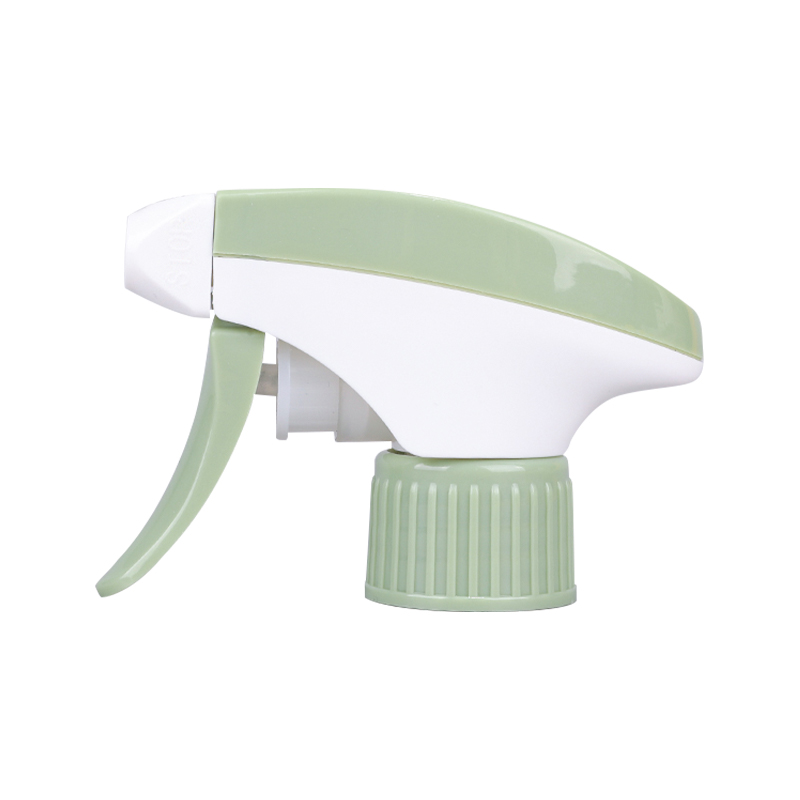
The viscosity of a liquid significantly influences the atomization performance of a Fine Mist Sprayer. Thin liquids, such as water or diluted solutions, flow easily through the nozzle and break into uniform, fine droplets, resulting in smooth and even coverage across the target surface. The low resistance allows for consistent misting with minimal effort, ensuring high application efficiency. In contrast, viscous liquids, including oils, thick serums, or concentrated chemical solutions, present greater resistance to flow, which can challenge the sprayer’s atomization mechanism. The result may include larger droplet formation, irregular mist patterns, or minor pooling, which can compromise uniformity and reduce application efficiency. Understanding the relationship between viscosity and droplet formation is critical for optimizing sprayer performance across different liquids.
Nozzle Design and Adjustment
The nozzle design plays a critical role in accommodating liquids of varying viscosity. Fine Mist Sprayers typically feature precision-engineered nozzle apertures that allow for controlled droplet size and mist density. For thin liquids, a smaller nozzle opening enables ultra-fine atomization and a consistent spray pattern. When dealing with viscous liquids, the sprayer may require a larger nozzle opening or adjustable mist settings to facilitate proper flow and maintain even atomization. Some advanced models include interchangeable or adjustable nozzles, allowing users to fine-tune spray density, droplet size, and coverage according to the viscosity of the liquid. Proper nozzle selection ensures that both thin and thick liquids are applied effectively without compromising the mist quality or leaving uneven deposits.
Pump Mechanism and Pressure Considerations
The pumping system of a Fine Mist Sprayer directly affects its ability to handle liquids of varying thickness. Manual sprayers rely on hand-generated pressure, which may be adequate for thin solutions but insufficient for viscous liquids, leading to irregular output or potential clogging. Motorized or battery-operated sprayers provide consistent, higher pressure, ensuring that thicker liquids are forced through the nozzle and properly atomized. By maintaining stable flow and pressure, these sprayers achieve a more uniform mist, even with viscous fluids, while reducing operator fatigue and ensuring consistent performance over extended use.
Maintenance and Clogging Prevention
Viscous liquids tend to leave residues within the nozzle, pump chamber, and internal channels of the sprayer, which can lead to clogging, reduced output, and inconsistent spray performance over time. To maintain optimal operation, regular cleaning and maintenance routines are essential. This includes flushing the sprayer with a compatible solvent or cleaning solution after use and periodically disassembling components if necessary. Some professional Fine Mist Sprayers are designed with self-cleaning mechanisms or easily detachable nozzles, simplifying maintenance and ensuring consistent misting performance even when switching between liquids of different viscosities.
Performance Optimization Techniques
Several strategies can optimize Fine Mist Sprayer performance when handling viscous liquids. Pre-diluting highly viscous solutions slightly can reduce flow resistance without affecting functionality. Adjusting the nozzle aperture or mist density can accommodate thicker fluids, while using powered sprayers ensures consistent pressure and droplet size. Following proper cleaning routines and maintenance schedules prevents residue buildup, reduces clogging, and maintains smooth operation across multiple applications. These optimization techniques help maintain the sprayer’s versatility, allowing it to perform efficiently with both thin and viscous liquids.
Application Considerations
When using viscous liquids, the resulting mist may consist of slightly larger droplets, which can require adjusted application techniques to ensure even coverage. Operators may need to move the sprayer more slowly across the target surface, apply overlapping passes, or increase the volume sprayed per area to achieve uniform coverage. Fine Mist Sprayers designed for professional use often provide dual-use capability, allowing seamless switching between thin and thick liquids. Adjustable settings, robust pumping systems, and carefully engineered nozzles ensure that both types of liquids can be applied effectively while maintaining consistent performance and coverage quality.

 English
 русский
 Français
 Español
 italiano