Manual Activation and Control
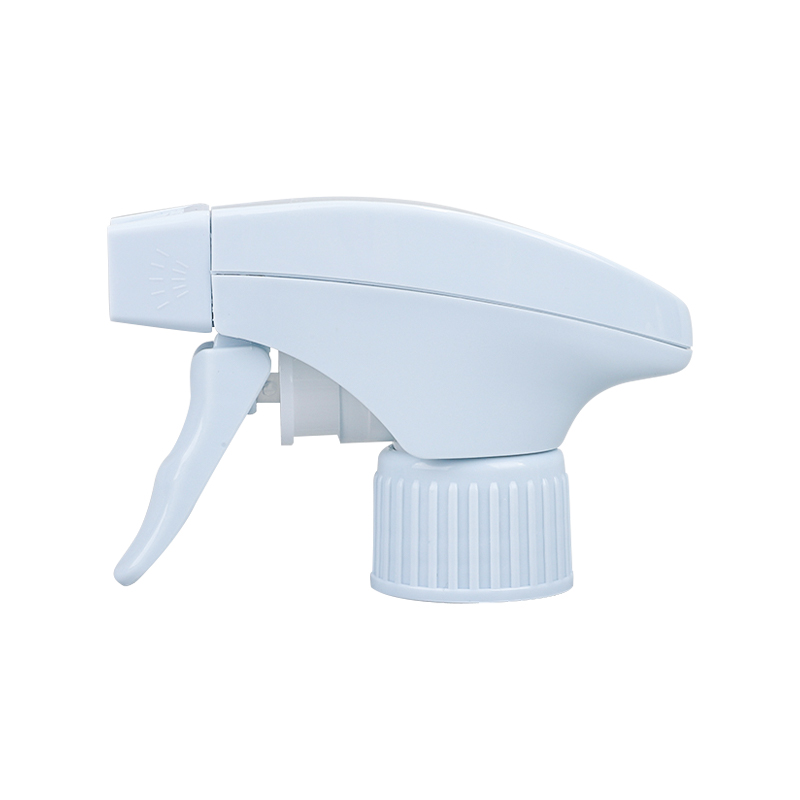
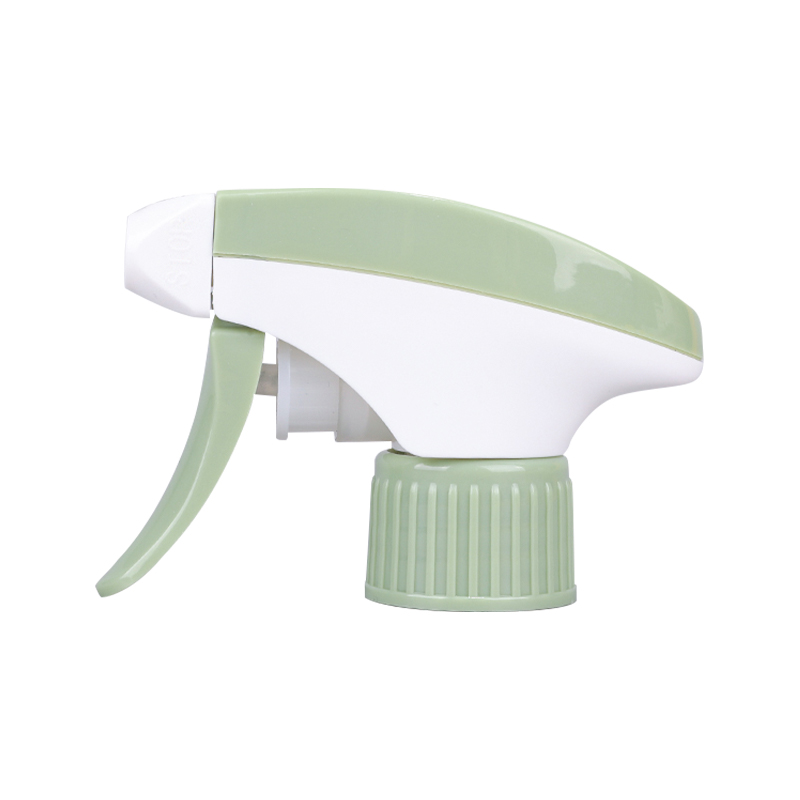
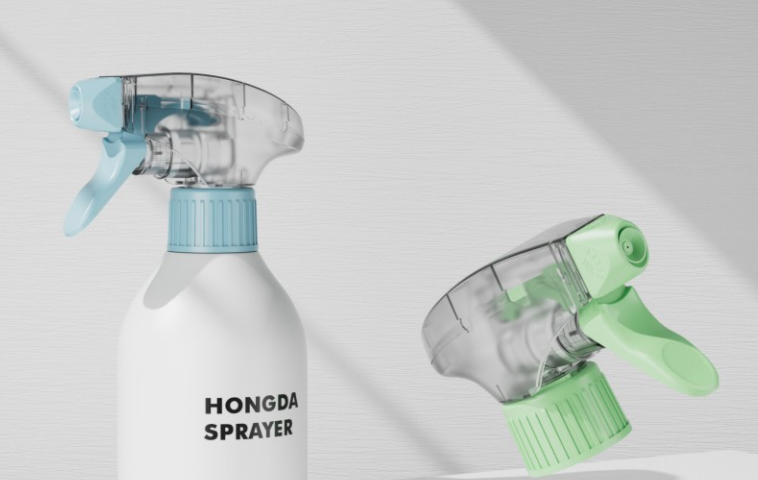
A Plastic Trigger Sprayer operates with a manual trigger that gives the user precise control over the spray. By squeezing the trigger, the user activates the spray mechanism, providing immediate and adjustable spray output without the need for pre-pressurization. This is in contrast to aerosol sprayers, which rely on a pressurized propellant to force liquid out, making the output less controllable. Pump sprayers, on the other hand, require several pumps to build up pressure, which may result in less immediate or consistent spray performance. The manual control offered by a trigger sprayer ensures that users can adjust the spray force and output on-demand, making it more efficient for tasks requiring precision.
Adjustable Spray Patterns
One of the standout features of a Plastic Trigger Sprayer is its ability to offer adjustable spray patterns, allowing users to switch between a fine mist, a stream, or a more focused spray. This level of customization is essential for various applications, such as watering delicate plants, cleaning windows, or applying precise amounts of liquid. In contrast, aerosol sprayers usually have a fixed spray pattern, often producing a wide mist that is difficult to control. While pump sprayers may also offer adjustable nozzles, the spray consistency may not be as precise or varied as what a trigger sprayer can provide. The versatility in spray options makes the Plastic Trigger Sprayer particularly suitable for a wide range of tasks.
Reusability and Cost-Effectiveness
A major advantage of Plastic Trigger Sprayers is their reusability. Once the liquid inside the bottle is used up, the trigger sprayer can be refilled, making it a more cost-effective option compared to aerosol sprayers, which are generally one-time-use products. Aerosol cans rely on a pressurized propellant to release the product, and once the propellant is depleted, the entire canister becomes useless. Plastic Trigger Sprayers, however, can be reused for extended periods, especially when paired with high-quality, durable bottles. This reusability significantly reduces waste and ongoing costs, which is particularly beneficial in both household and commercial applications where large quantities of liquid may be dispensed regularly.
Chemical Compatibility
Plastic Trigger Sprayers are designed to work with a wide range of liquids, from water-based cleaning solutions to heavier-duty industrial chemicals. The materials used in their construction, such as polypropylene or HDPE (high-density polyethylene), offer good resistance to most common cleaning agents, disinfectants, and gardening chemicals. This makes them highly adaptable for use in environments ranging from homes to industrial settings. In contrast, aerosol sprayers may have limitations in the types of chemicals they can dispense, especially when the propellants are not compatible with certain formulas. Similarly, pump sprayers are generally designed for simpler applications and may not offer the same level of resistance to harsher chemicals, especially if made from lower-grade plastic.
Pressure and Spray Duration
A significant advantage of a Plastic Trigger Sprayer is its consistent spray pressure. The user can continue spraying for as long as the trigger is held down, without needing to re-pump or pressurize the mechanism as is required with a pump sprayer. This makes it more convenient for large tasks that require continuous spraying, such as cleaning or applying liquids over a wide area. Aerosol sprayers, on the other hand, maintain pressure as long as the propellant lasts, but once it’s depleted, the spray stops completely. With Plastic Trigger Sprayers, the ability to control the pressure manually gives users a steady and reliable output until the product runs out, improving the efficiency of the spraying process.

 English
 русский
 Français
 Español
 italiano