Optimized Pump Chamber Geometry for Maximum Evacuation
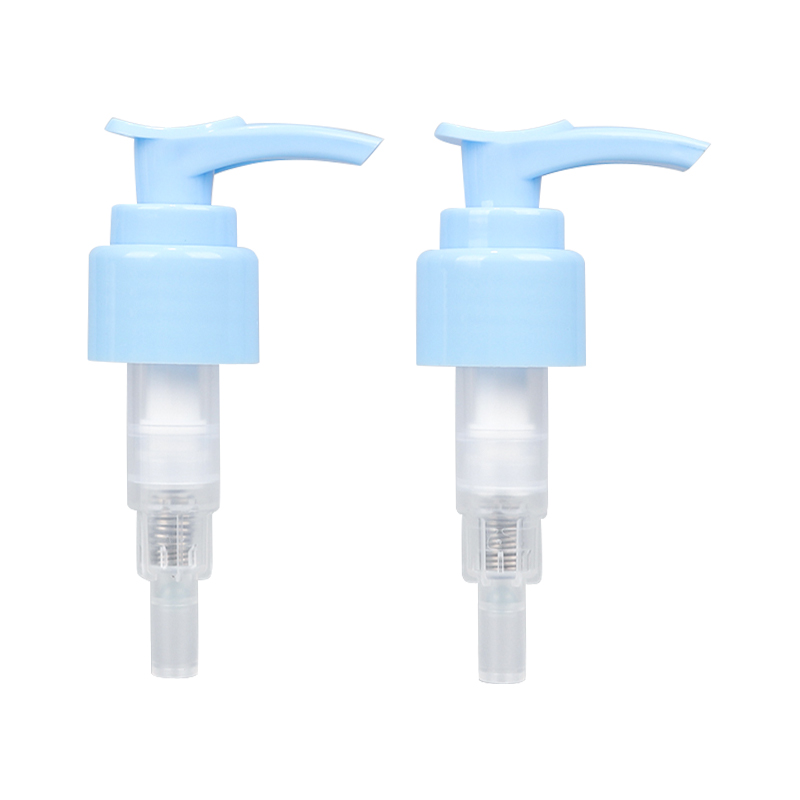
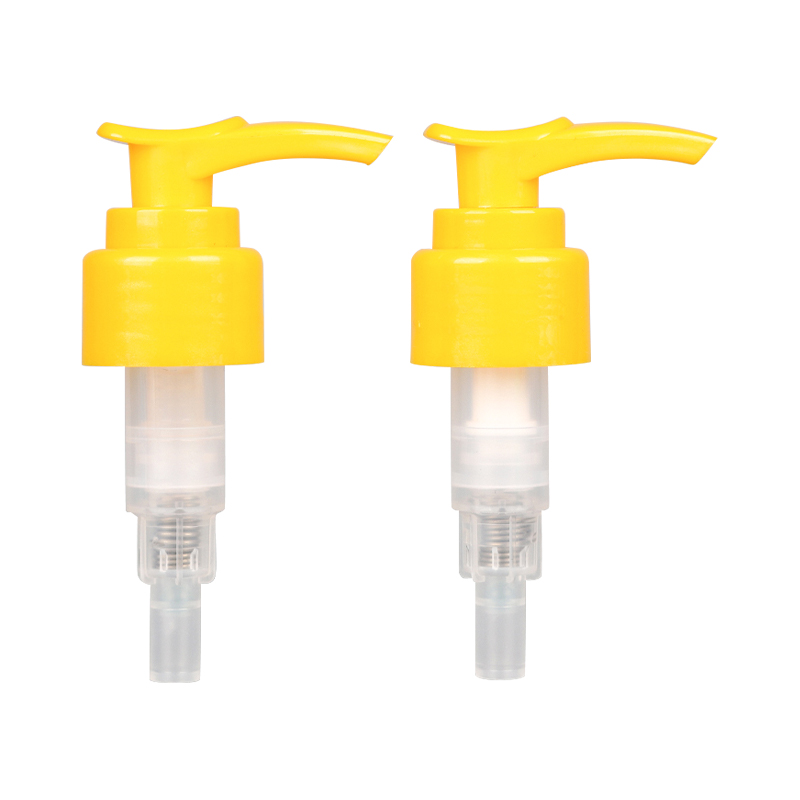
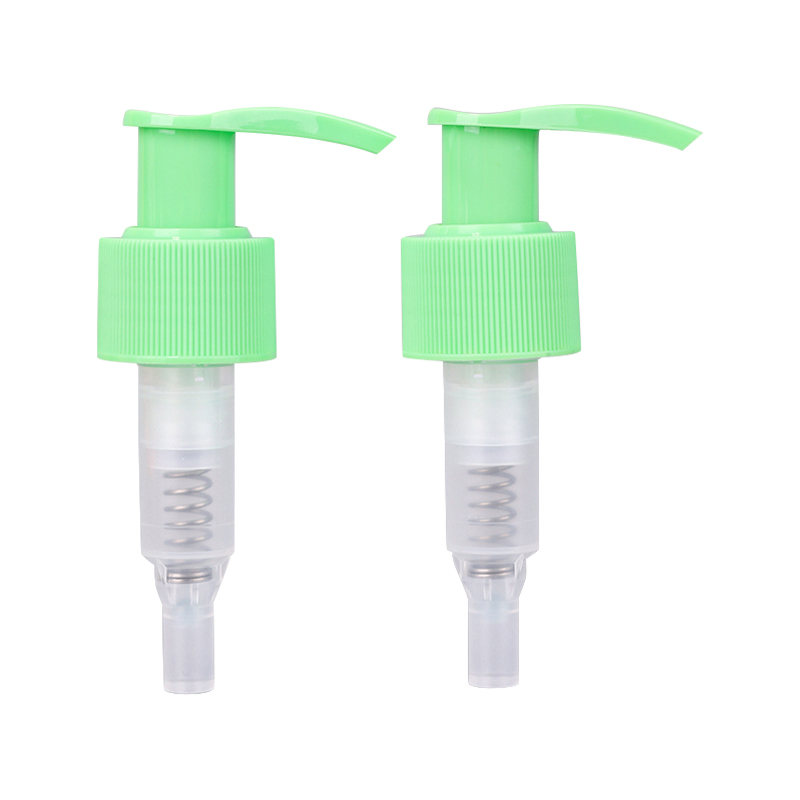
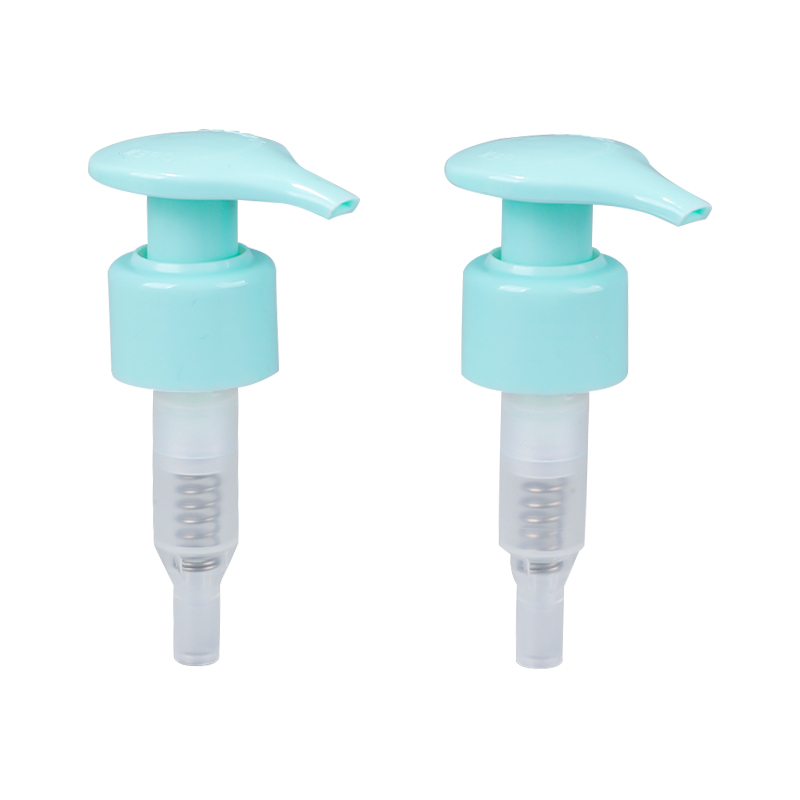
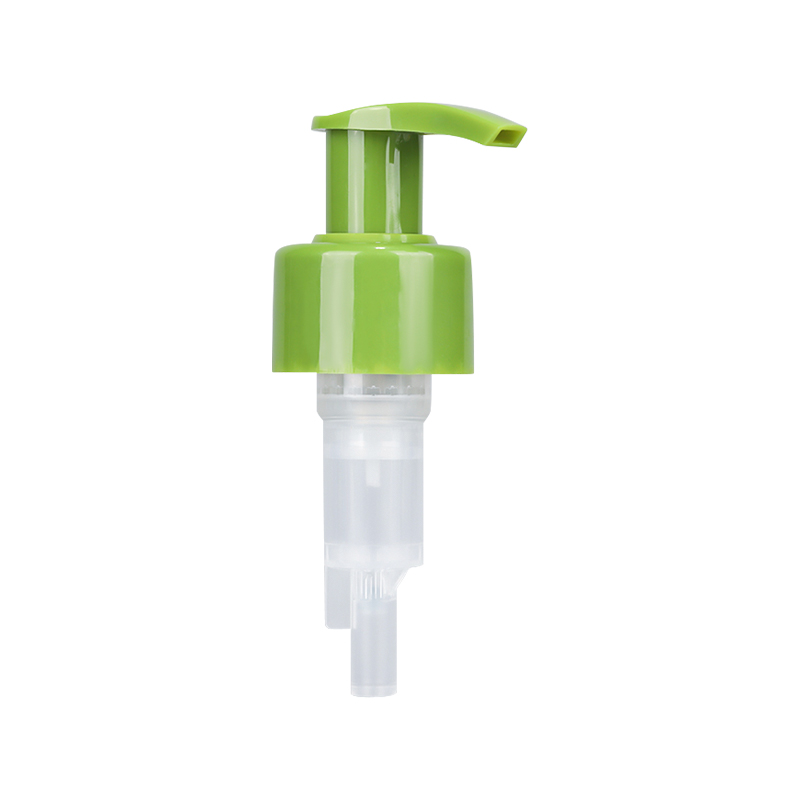
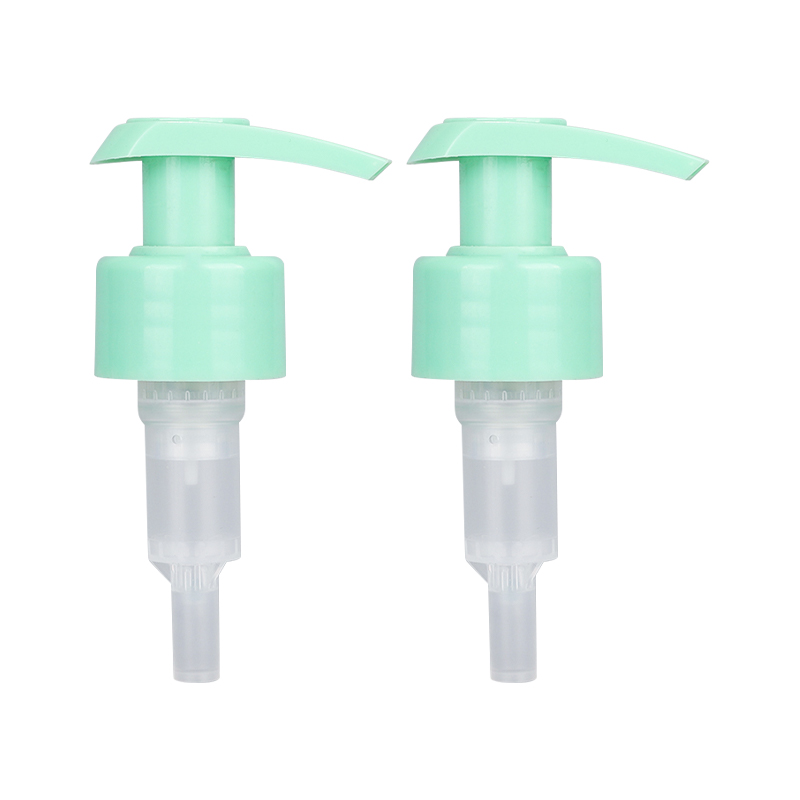
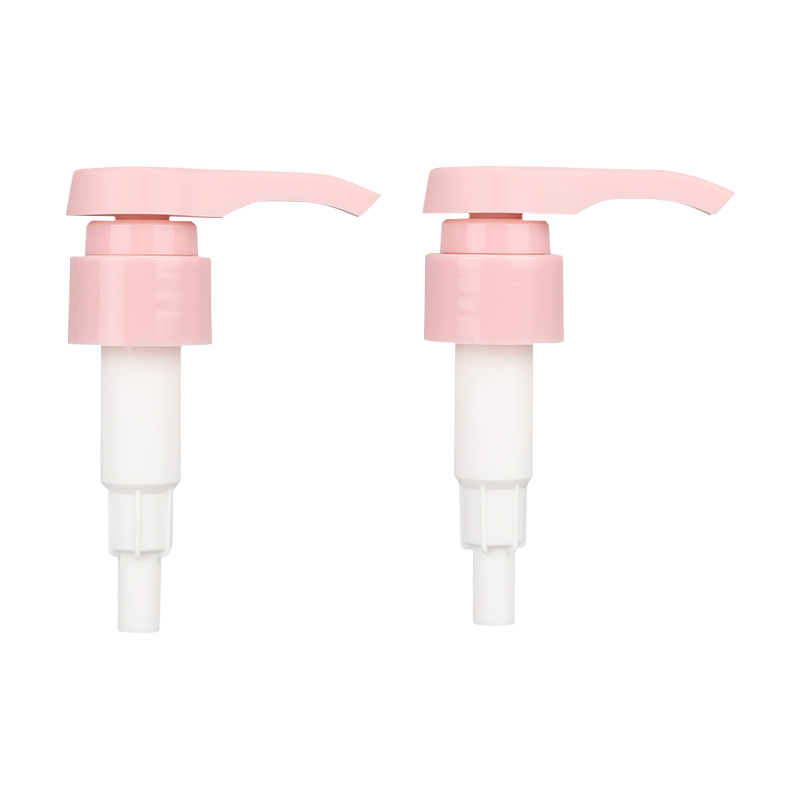
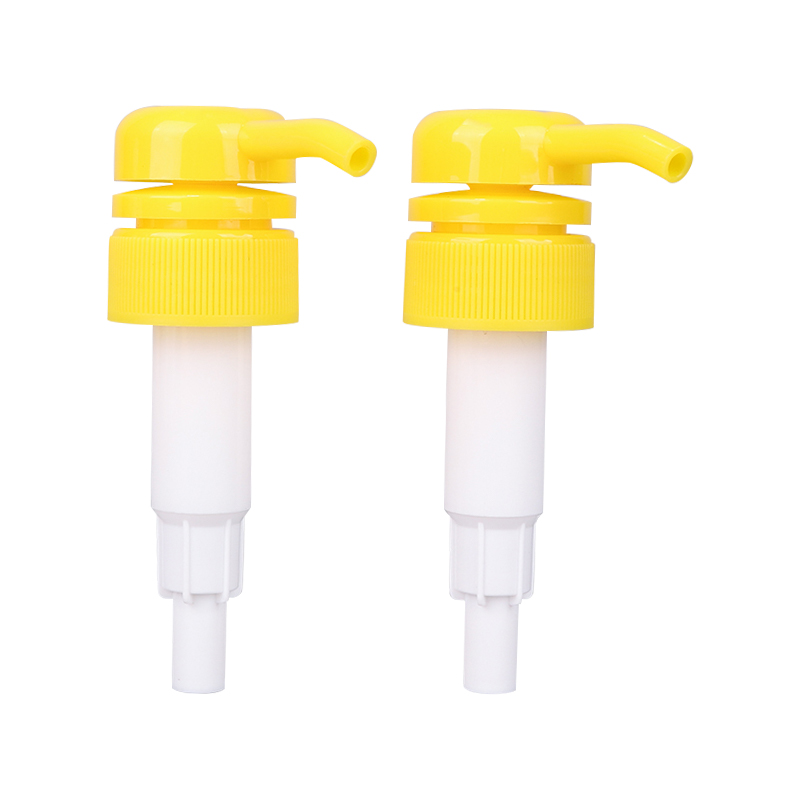
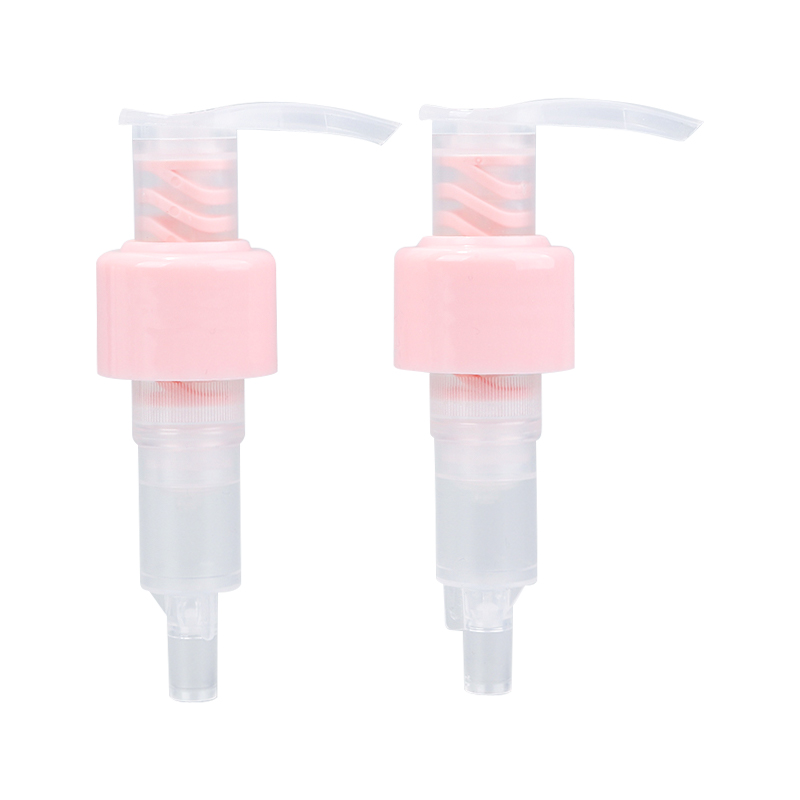
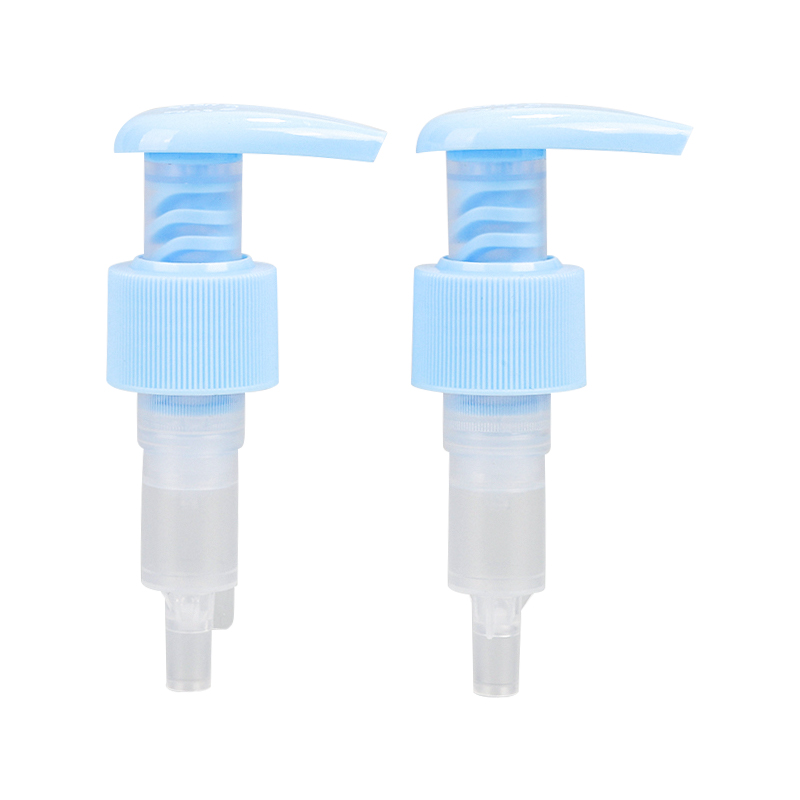
The pump chamber of the Left-Right Lotion Pump is engineered to reduce dead space and maximize product evacuation with each actuation. Unlike conventional pumps with square corners or oversized cavities where lotion can accumulate, this pump features tapered walls, rounded edges, and carefully calibrated cavity volume. These design elements ensure that nearly all fluid drawn into the chamber is expelled through the nozzle. The chamber is optimized to accommodate a range of product viscosities, from lightweight lotions to thick creams, without leaving residual pockets. The precise molding tolerances minimize uneven surfaces that could trap liquid, which is particularly crucial for premium formulations containing oils, high-concentration actives, or emulsifiers. By reducing stagnant zones, the chamber design significantly enhances product delivery efficiency and minimizes waste, ensuring a consistent user experience.
Precision Dip Tube Length and Flexible Placement
The dip tube is a critical component in minimizing product waste, and in the Left-Right Lotion Pump, it is carefully sized and positioned to reach close to the bottle bottom while maintaining structural flexibility. This allows the tube to conform slightly to irregularities in the container’s base, ensuring maximum product extraction. Advanced models may include weighted or angled dip tubes, which “follow the fluid” as the level decreases, enabling continued suction even at low fill levels. The tube’s internal diameter and material rigidity are optimized for high-viscosity formulations, preventing air entrainment or suction loss. This meticulous engineering ensures that virtually all remaining lotion is collected and dispensed efficiently, even in bottles with narrow necks or irregular interior shapes, maximizing value and reducing customer frustration with incomplete product.
High-Performance Check Valves and Ball Seal Mechanisms
The Left-Right Lotion Pump incorporates precision-engineered ball valves and check mechanisms that ensure one-way flow and prevent backflow of lotion into the bottle. These valves are calibrated to maintain a tight seal even under high-viscosity conditions, preventing residual fluid from remaining in the chamber after actuation. The materials used for valves and seals are chemically resistant, compatible with various cosmetic ingredients, and designed to maintain elasticity over thousands of pump cycles. This ensures consistent performance for both lightweight emulsions and thick, oil-rich formulations. The one-way mechanism also prevents air from entering the chamber, which could otherwise compromise dosage accuracy and contribute to product retention. Overall, the check valve system is fundamental for minimizing wastage while maintaining hygiene and dispensing precision.
Low-Adhesion Materials and Surface Engineering
To reduce adhesion of viscous lotions to internal surfaces, the pump’s piston, cylinder, and nozzle are constructed from low-surface-energy polymers, such as polypropylene, PET, or fluoropolymer-coated components. These materials prevent sticky or oil-rich formulations from clinging to chamber walls. Additionally, internal surfaces are micro-polished or molded to a smooth finish, minimizing irregularities where fluid could remain trapped. For premium products containing botanicals, emulsifiers, or high-molecular-weight actives, surface engineering ensures that the product flows freely, reducing residue and maximizing dispense per stroke. This material selection also enhances durability, chemical compatibility, and long-term performance, ensuring that repeated use does not degrade anti-adhesion properties or lead to product accumulation inside the pump over time.
Consistent Actuation Stroke and Ergonomic Pump Design
The Left-Right Lotion Pump is designed with a precise actuation stroke length and optimized spring tension, ensuring that each press of the pump fully evacuates the chamber. Ergonomically engineered to reduce hand fatigue, the pump allows for smooth, controlled dispensing that minimizes partial strokes, which are a common cause of residual fluid retention. The spring and piston combination is specifically calibrated to accommodate varying product viscosities without compromising the pumping action. This ensures consistent dosage for every use and prevents residual build-up in the chamber or nozzle. The ergonomic design not only enhances user comfort but also supports reliable, repeatable performance over thousands of actuations, which is critical for premium products where minimizing wastage and maximizing product delivery are essential.
Integration with Bottle Geometry and Viscosity Considerations
The efficiency of the Left-Right Lotion Pump depends on holistic system integration between the pump, bottle, and product formulation. Bottle neck diameters, pump chamber volume, dip tube positioning, and channel widths are all calibrated to match the viscosity and surface tension of the lotion. For high-viscosity creams or oil-rich formulas, internal channels are slightly widened, and spring tension is optimized to maintain adequate suction, ensuring that fluid is drawn effectively to the nozzle. Proper alignment prevents airlocks, which could otherwise leave residual product in the chamber or dip tube. This design approach ensures compatibility with a wide range of formulations while maximizing extraction, minimizing waste, and preserving the integrity of high-value ingredients in premium lotions and cosmetics.

 English
 русский
 Français
 Español
 italiano