The Packaging Bottle Trigger Sprayer: A Guide to Choosing Under Real Pressure
Output, fitment, materials, and seals determine whether your bottle performs from the filling line to the consumer's hand.
A cleaning brand had formulated a new citrus all-purpose cleaner for a European retail launch. Three weeks after filling, a distributor's warehouse reported sticky bottles on the shelf: syrupy residue had crept past the trigger seal and stained the labels. The formula was fine. The bottle was fine. The packaging bottle trigger sprayer, chosen mainly for its unit price, was not.
The conclusion is simple: the trigger sprayer is the most physically stressed component on a filled bottle. It must prime quickly, deliver a consistent dose, hold its seal through temperature swings and stacking pressure, resist the chemistry of the liquid it dispenses, and remain comfortable to squeeze for a whole bottle of use. When you evaluate it together with the bottle and the formula — the way it will actually be used — most packaging failures disappear before they reach the market.
A trigger sprayer never fails in the factory. It fails in a delivery van, on a warehouse shelf, or in a customer's hand — which is exactly why every decision around it should treat packaging as risk management.
What a Packaging Bottle Trigger Sprayer Has to Get Right
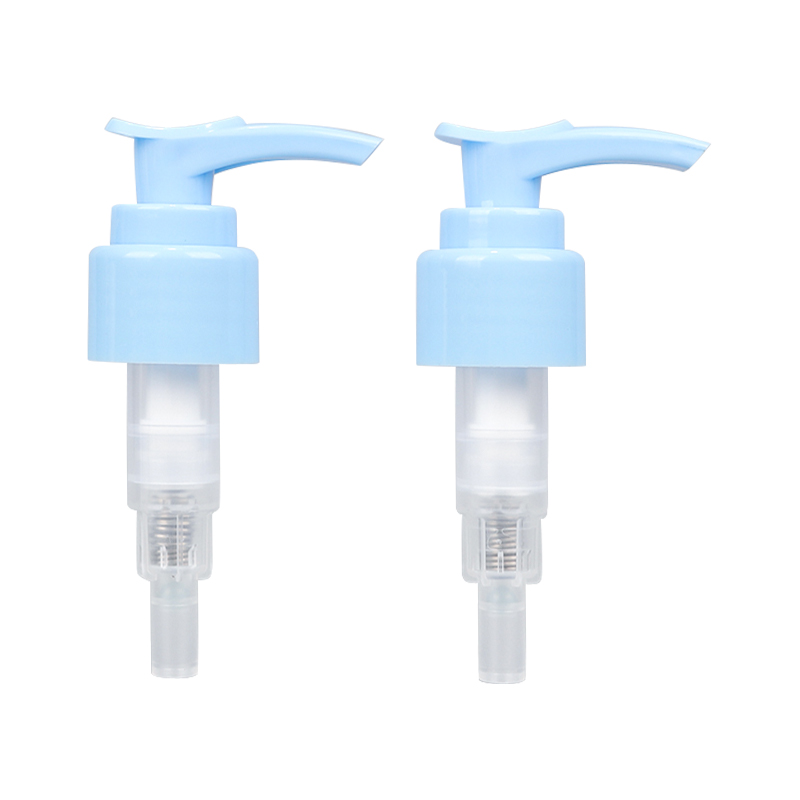
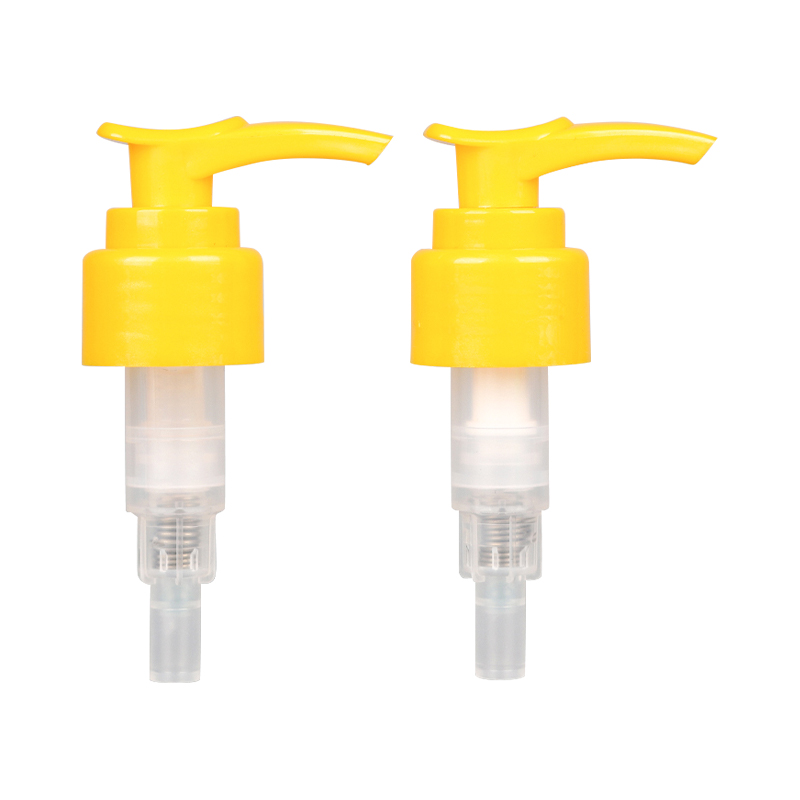
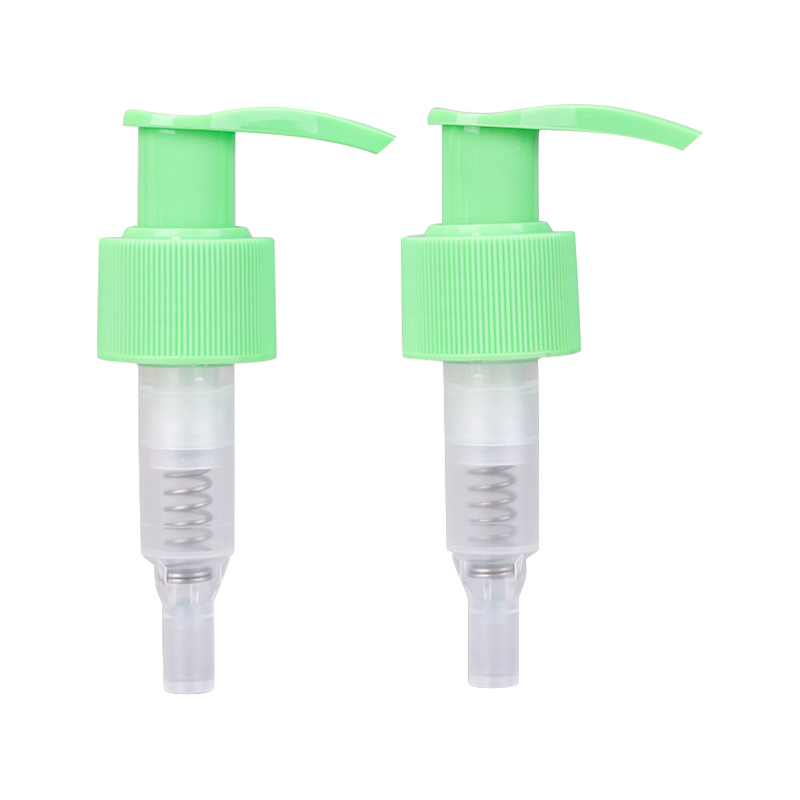
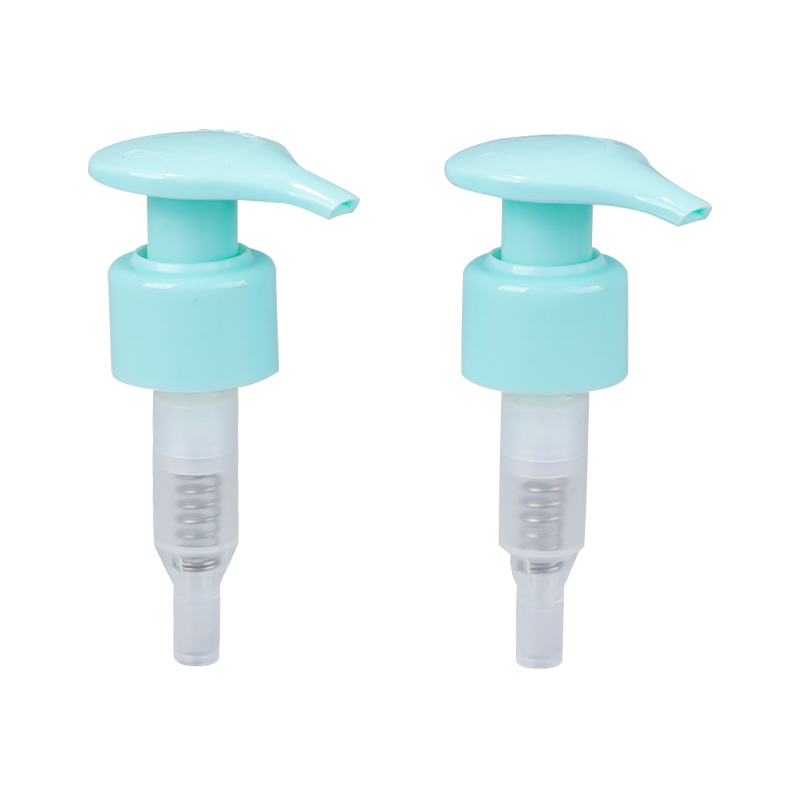
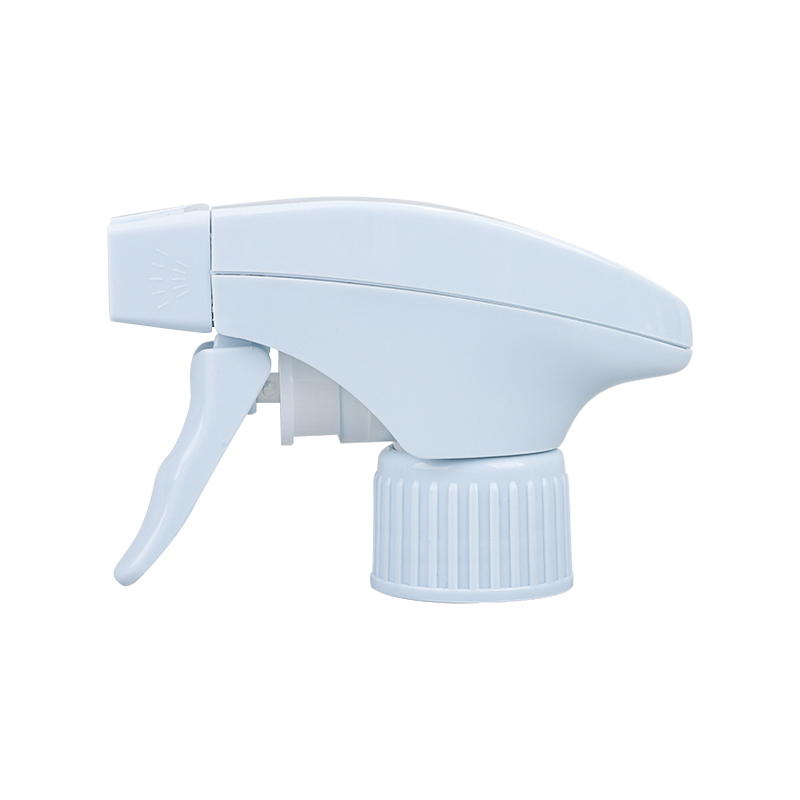
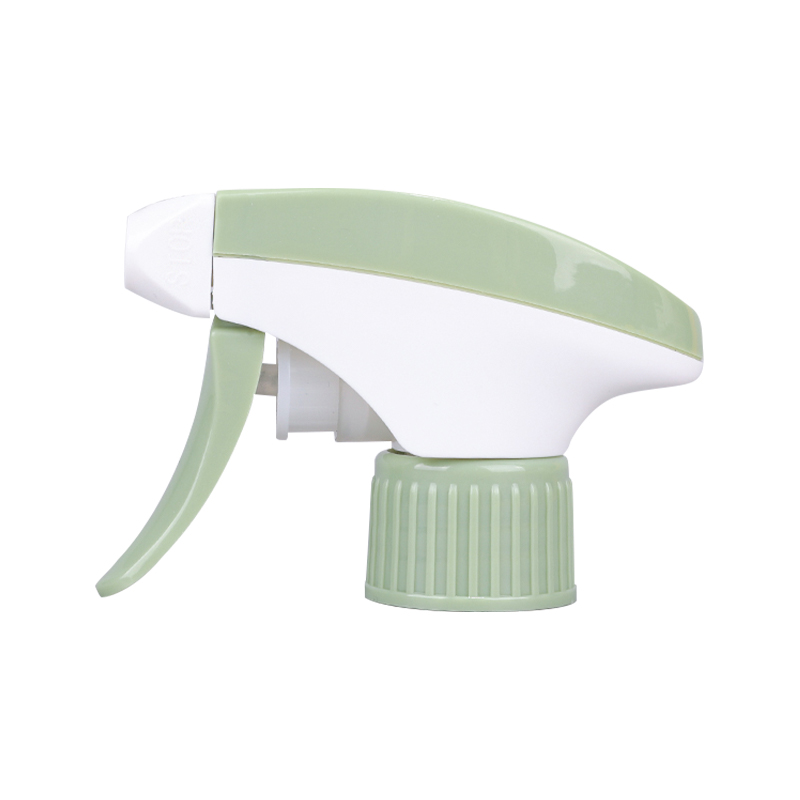
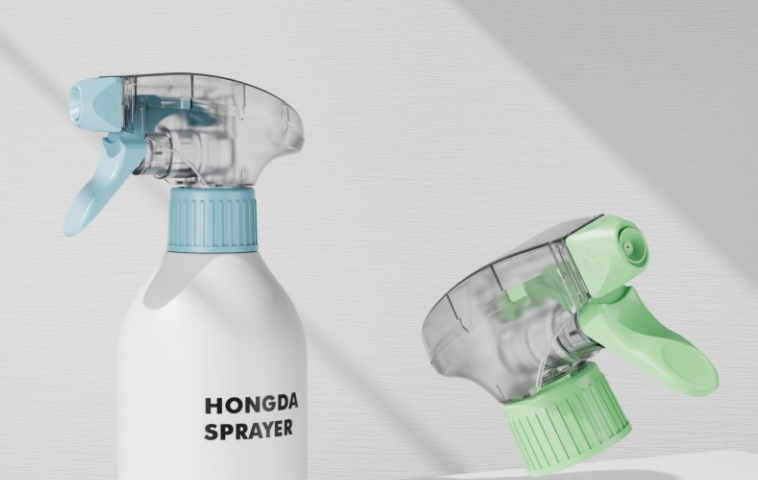
A trigger sprayer is a compact pump assembly. When the user squeezes the handle, a piston moves inside a chamber, liquid rises through the dip tube, and the nozzle breaks the flow into a mist, stream, or foam. When the handle is released, a spring resets the mechanism and the chamber refills. Within that cycle, five functions determine whether the sprayer succeeds or fails in practice:
- Priming consistency — strokes needed before liquid flows. Two or three is acceptable; five or more creates a poor first-use impression.
- Metering accuracy — the volume delivered per stroke, stable from the first squeeze to the last drops in the bottle.
- Atomization quality — how finely the nozzle breaks up the liquid, and whether the pattern stays uniform over time.
- Seal integrity — the gasket and valve system prevent leakage in storage, during transport, and at odd angles.
- Spring return and recovery — the handle resets reliably and the nozzle does not drip between strokes.
These five functions interact with the formulation, the bottle neck, the dip tube, and the filling process. That interaction is why a trigger sprayer can never be evaluated as a standalone part.
Output Rates and Liquid Compatibility
Viscosity is the first filter. A thin glass cleaner needs only enough liquid to moisten a surface; a heavy degreaser needs a generous volume that clings long enough to dissolve grease. The table below shows typical dose ranges and the sprayer families that match them.
Typical dose ranges are reference values; the final choice depends on bottle volume, fill level, and the consumer behaviour you want to encourage.
| Liquid type |
Typical dose per stroke |
Suggested sprayer family |
| Thin, low-viscosity formulas (glass, multi-surface) |
0.8–1.2 ml |
Fine-mist or adjustable nozzle trigger |
| Standard all-purpose cleaners |
1.0–1.5 ml |
Standard trigger sprayer |
| Viscous or concentrated degreasers |
1.5–2.5 ml |
High-output trigger sprayer |
| Foaming hand soaps and sanitisers |
Foam expansion dependent |
Foam nozzle trigger sprayer |
Beyond the dose question sits chemical compatibility. Solvents, acidic formulas, and high-alkaline products can attack seal gaskets, valve seats, and certain plastic grades. A sprayer that performs perfectly with water can fail within weeks when filled with a limonene-based concentrate or a bleach-containing formula.
Compatibility warning: concentrated solvents, acids, and high-alkali formulas can swell or degrade standard gaskets and valve seats. Always qualify the complete pump with your final formulation, not with water.
Neck Finish, Dip Tube and Filling Line Fit
The mechanical interface between sprayer and bottle is the neck finish, usually defined by a code such as 24/410 or 28/400. The closure must match the bottle's thread profile and seating position exactly; a sprayer that "almost fits" nearly always leaks at the neck. Confirm the finish code with your bottle supplier before finalising container moulds.
Check the finish twice: a closure designed for a 28/400 finish can often be forced onto a 28/410 neck, where it seals poorly and weeps under pressure. Verify the exact finish code before committing to production.
The dip tube is equally practical. It should reach the bottom well of the bottle so the last few millilitres remain usable, and the open end is usually cut at an angle to prevent it seating flat against the base. For products meant to be sprayed upside down — weed killers, lubricants, under-sink cleaners — consider an inverted trigger sprayer with a weighted pickup or a sealed dip-tube arrangement.
If you fill the bottle and assemble the trigger separately, consider the handling geometry on your line: sprayer feeding, closure torque control, and tray layout before packing. These details affect line efficiency more than unit price.
Materials Decide the Recycling and Compliance Story
Conventional trigger sprayers contain a metal spring inside the pump chamber. From a packaging compliance standpoint, that metal complicates recycling because the component must be separated, and it can create problems in facilities that operate metal-detection systems near food or pharmaceutical lines.
All-plastic trigger sprayers replace the metal spring with a plastic equivalent while preserving dose volume and hand feel. The all-plastic trigger sprayer in our normal range is a direct example: the spring, ball, and valve are redesigned so no metal enters the bottle or the recycling stream.
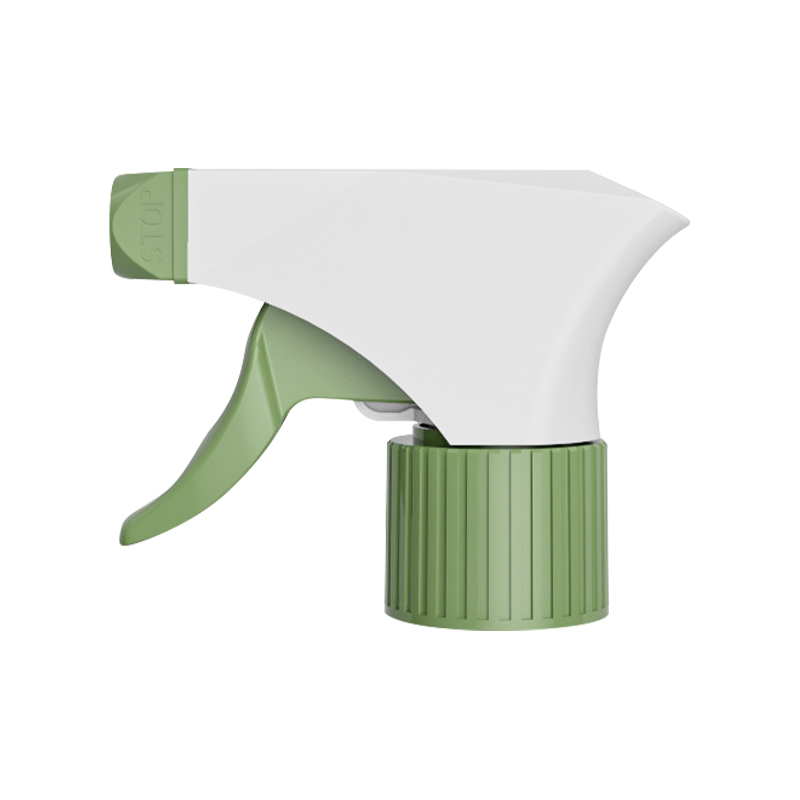 All-Plastic Trigger Sprayer for Metal-Free DispensingThis all-plastic trigger sprayer replaces metal springs and valves, ensuring no metal enters the bottle or recycling stream while maintaining stable dosing and hand feel.View Product →
Where the brand wants to eliminate metal entirely, a metal-free spring trigger sprayer goes further by removing spring steel from the closure assembly as well.
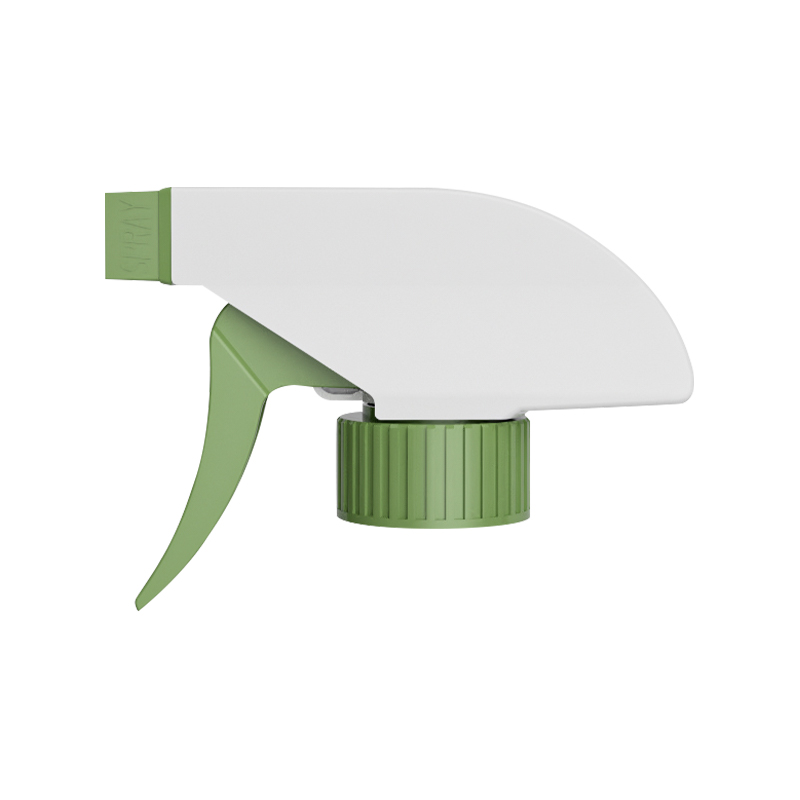 Metal-Free Spring Trigger Sprayer with Plastic SpringBuilding on metal-free goals, this sprayer removes spring steel from the closure too, offering corrosion and UV resistance for long-lasting performance in harsh environments.View Product →
For brands working on recyclability claims, this distinction affects both curbside collection systems and supplier-level assessments of packaging purity. A mono-material bottle combined with a fully plastic sprayer creates a simpler end-of-life story than a mixed-material assembly. For a fuller discussion of the practical and environmental trade-offs, see this guide on practical tips and environmental considerations.
Regulatory signal: the latest ISO work on sustainable packaging places growing emphasis on material simplification — fewer metal parts, fewer mixed-material valves, easier sorting. Planning for all-plastic or metal-free trigger sprayers now puts your packaging ahead of that curve.
Leak Resistance Is a Transport Reality
Leaks rarely appear on the filling line; they appear inside shipping containers, on warehouse pallets, and in retail cupboards. When the temperature rises, air and liquid inside a sealed bottle expand and pressurise the closure. Stacked cartons add steady compressive load. Truck vibration shakes the valve components under that load. The result is a slow weep — or in bad cases, a burst seal.
Our leakproof plastic trigger sprayer addresses these conditions with a robust closure, a flexible lip seal that conforms to the bottle neck, and a lock position that prevents accidental discharge during handling.
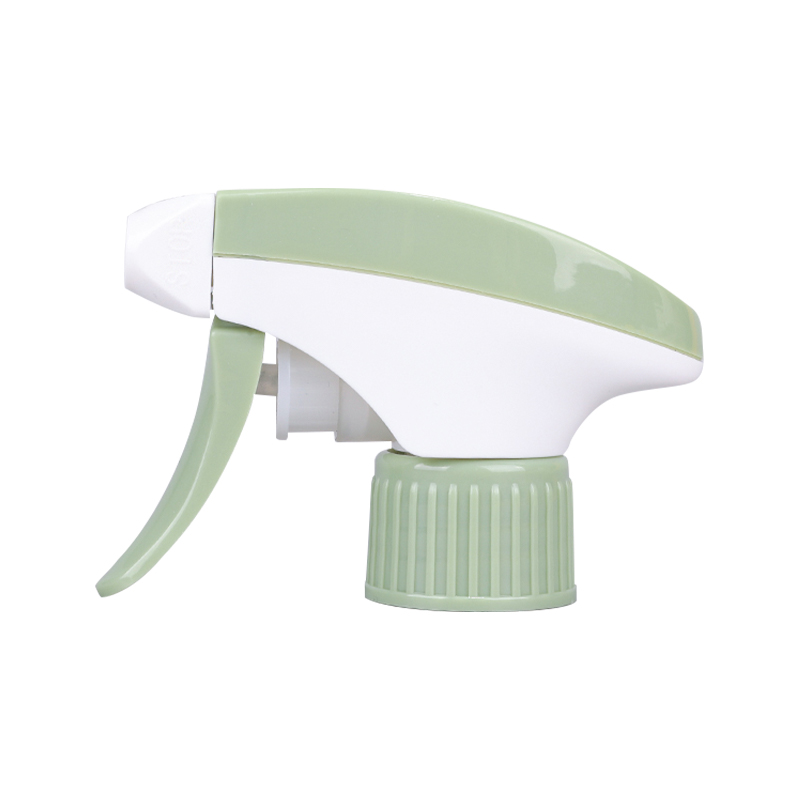 Leak-Proof Plastic Trigger Sprayer for Reliable SealingDesigned with a robust closure and flexible lip seal, this sprayer prevents leakage during storage and transport, making it ideal for cleaning and cosmetic applications.View Product →
A practical validation sequence includes three tests:
- A 1-metre drop test onto a hard surface, in upright, sideways, and inverted orientations.
- A pressure-hold leak test at the temperature extremes the product will encounter in transit.
- A vibration test on a shipping simulation table, with the bottle filled at its normal production fill level.
If samples pass these three, the sprayer will almost certainly survive the real supply chain.
Nozzle Patterns and the First-Use Experience
The nozzle pattern is the consumer's most direct contact with the packaging. Fine mist suits products meant to be invisible after drying, such as glass cleaners and fabric refreshers. A straight stream works for targeted application into gaps, mechanisms, or plant soil. Foam converts liquid into a stable lather for products that must cling to surfaces or hands. The trigger lock and nozzle adjustability also shape perceived quality: a sprayer that dribbles on the first stroke makes a premium formula feel cheap.
Validating a Supplier in Five Practical Checks
- Ask for samples in realistic quantities — 300 to 500 pieces, not five. Hand-picked micro-samples hide mould variation and inconsistent assembly.
- Run them on your actual filling and capping line, with your torque settings and conveyor speeds.
- Expose them to your real formula for four to six weeks, not just water.
- Measure dose consistency across nozzles from different cavities in the same production batch.
- Ask about mould ownership, automation depth, and how defects are traced back to a specific cavity.
At EAED, this is how we work. Our production base in Yuyao integrates mould making, precision injection molding, and automated assembly under one roof, so performance data is available from the first prototype to the final production run.
Why integration matters: when one supplier controls moulds, injection molding, and automated assembly, correction cycles are shorter and quality data is traceable to a specific cavity. It reduces development time and limits surprises at ramp-up.
The trigger sprayer is a small component with an outsized influence on the brand experience. When output, fitment, materials, and seals are verified together — on your bottle, with your formula, under realistic transport conditions — the packaging stops being a risk and becomes a dependable part of the product. A full range of trigger sprayers designed for this kind of validation is available in our trigger sprayer collection.

 English
 русский
 Français
 Español
 italiano