The material of a mist sprayer bottle directly determines its chemical compatibility, durability, weight, and suitability for specific liquids. Most mist sprayers on the market use one of three primary materials: HDPE (High-Density Polyethylene), PETG (Polyethylene Terephthalate Glycol), or borosilicate glass. Each has distinct properties that make it ideal for different use cases. In short: HDPE excels in chemical resistance, PETG offers clarity and lightweight convenience, and borosilicate glass provides the highest purity and heat tolerance — but the right choice depends entirely on what you plan to spray.
What Materials Are Commonly Used in Mist Sprayer Bottles?
Not all mist sprayer bottles are created equal. The bottle material is a critical specification that affects everything from shelf life of the liquid inside to user safety. Below is an overview of the three most widely used materials in mist sprayer manufacturing.
| Material |
Transparency |
Chemical Resistance |
Weight |
Heat Tolerance |
Typical Use Case |
| HDPE |
Opaque/Translucent |
Excellent |
Very Light |
Up to 120°C |
Cleaning agents, chemicals |
| PETG |
Clear |
Moderate |
Light |
Up to 70°C |
Skincare, water, light formulas |
| Borosilicate Glass |
Fully Clear |
Superior |
Heavy |
Up to 500°C |
Essential oils, aromatherapy, lab use |
Table 1: Comparison of common mist sprayer bottle materials by key performance properties.
HDPE Mist Sprayer Bottles: Best for Chemical-Heavy Applications
HDPE is one of the most widely used plastics in industrial and household mist sprayer bottles. Its molecular structure gives it exceptional resistance to acids, alkalis, and solvents, making it the material of choice when the sprayer will be used with cleaning agents, disinfectants, or bleach-based solutions.
A key advantage of the HDPE mist sprayer is its impact resistance and low cost. HDPE has a density of approximately 0.941–0.965 g/cm³, making it lighter than glass while still being robust enough for daily use. It also has very low moisture absorption — less than 0.01% — which helps preserve the liquid contents over time.
However, HDPE mist sprayer bottles are typically opaque or only slightly translucent, which makes it difficult to monitor the remaining liquid level. They are also not ideal for use with aromatic compounds such as essential oils, as HDPE can allow permeation of some volatile organic compounds over extended periods.
When to Choose an HDPE Mist Sprayer:
- Spraying household or industrial cleaning solutions
- Applications involving bleach, ammonia, or alcohol-based disinfectants
- High-frequency, high-volume use where durability and cost matter
- Outdoor or garden spraying where UV and impact resistance are needed
PETG Mist Sprayer Bottles: The Clear, Everyday Choice
PETG has become increasingly popular for mist sprayer bottles, particularly in the beauty, personal care, and travel product sectors. Its most notable feature is its glass-like optical clarity, which allows users to see the liquid inside — a practical advantage for monitoring usage levels and verifying contents.
PETG mist sprayer bottles are BPA-free, shatter-resistant, and recyclable. The material offers good chemical resistance to water, oils, and many alcohol-based formulas at low concentrations. Its heat tolerance is limited to around 70°C, which is sufficient for most cosmetic and personal care applications but not for hot liquids or sterilization processes.
One limitation of PETG mist sprayer bottles is their moderate resistance to strong solvents such as acetone or high-concentration alcohols. When used with undiluted isopropyl alcohol (above 70%), the PETG material may become cloudy or structurally weakened over time. For skincare toners, facial mists, or diluted formulas, however, PETG performs reliably and is a preferred choice among cosmetic brands.
When to Choose a PETG Mist Sprayer:
- Facial mists, toners, and water-based skincare products
- Travel-sized sprayers where lightweight and shatter resistance matter
- Retail and consumer packaging that benefits from visual transparency
- Diluted alcohol or botanical-infused spray solutions
Borosilicate Glass Mist Sprayer Bottles: Premium Purity and Heat Resistance
Borosilicate glass mist sprayer bottles represent the highest tier in terms of chemical inertness and thermal stability. Made with approximately 15% boron trioxide, borosilicate glass can withstand temperatures up to 500°C and thermal shocks of up to 165°C differential — properties that standard soda-lime glass cannot match.
For users who prioritize formula integrity, the borosilicate glass mist sprayer is the superior option. Glass is completely non-reactive, meaning it will never leach chemicals into the liquid contents, regardless of the formula's acidity, alkalinity, or concentration. This makes it the preferred choice for aromatherapy practitioners, pharmaceutical applications, and users of pure essential oils.
The primary drawbacks are weight and fragility. A typical 100ml borosilicate glass mist sprayer can weigh 2 to 3 times more than an equivalent PETG bottle, making it less practical for travel. It also requires more careful handling, though borosilicate is notably more resistant to thermal breakage than standard glass.
When to Choose a Borosilicate Glass Mist Sprayer:
- Pure essential oils, undiluted serums, or concentrated botanical extracts
- Aromatherapy or spa environments where formula purity is critical
- Laboratory or pharmaceutical applications requiring non-reactive containers
- Users who prefer eco-friendly, long-term reusable packaging
How Bottle Material Affects Mist Sprayer Performance
The bottle material of a mist sprayer does more than just hold liquid — it directly influences how the sprayer performs over time. Here are several performance dimensions where material choice makes a measurable difference:
Pump and Seal Compatibility
The bottle's neck thread and material stiffness affect how securely the pump mechanism seals. Borosilicate glass bottles typically use standardized neck finishes (such as 18/415 or 20/410) that are compatible with most professional pump heads. HDPE and PETG bottles may vary more in their tolerances, which can occasionally result in looser seals over extended use.
Resistance to Deformation Under Pressure
HDPE mist sprayer bottles are slightly flexible, which can cause minor deformation when the pump generates back pressure. Glass bottles are entirely rigid, which can help maintain more consistent spray pressure. PETG falls between the two, offering a balance of rigidity and light weight.
Long-Term Formula Stability
When storing formulas with active ingredients such as vitamin C serums, retinol, or natural plant extracts, borosilicate glass provides the most stable storage environment due to its zero permeability and non-reactive surface. PETG is acceptable for most cosmetic formulas but may allow trace oxygen permeation over time. HDPE is best reserved for non-sensitive liquids.
Choosing the right mist sprayer bottle material comes down to three core questions: What liquid are you spraying? How often will you use it? And where will you use it?
- Choose HDPE if you need a durable, chemical-resistant mist sprayer for cleaning products, disinfectants, or industrial use where formula visibility is not a priority.
- Choose PETG if you want a lightweight, transparent mist sprayer for daily skincare, facial mists, or travel — where aesthetics and portability matter most.
- Choose Borosilicate Glass if you require the highest level of chemical purity, are using concentrated or reactive formulas, or want a premium, eco-friendly mist sprayer for home or professional use.
No single material is universally superior — the best mist sprayer bottle is the one that aligns with your specific application. By understanding the structural and chemical properties of HDPE, PETG, and borosilicate glass, you can make an informed purchase that ensures both performance and formula integrity over the long term.

 English
 русский
 Français
 Español
 italiano
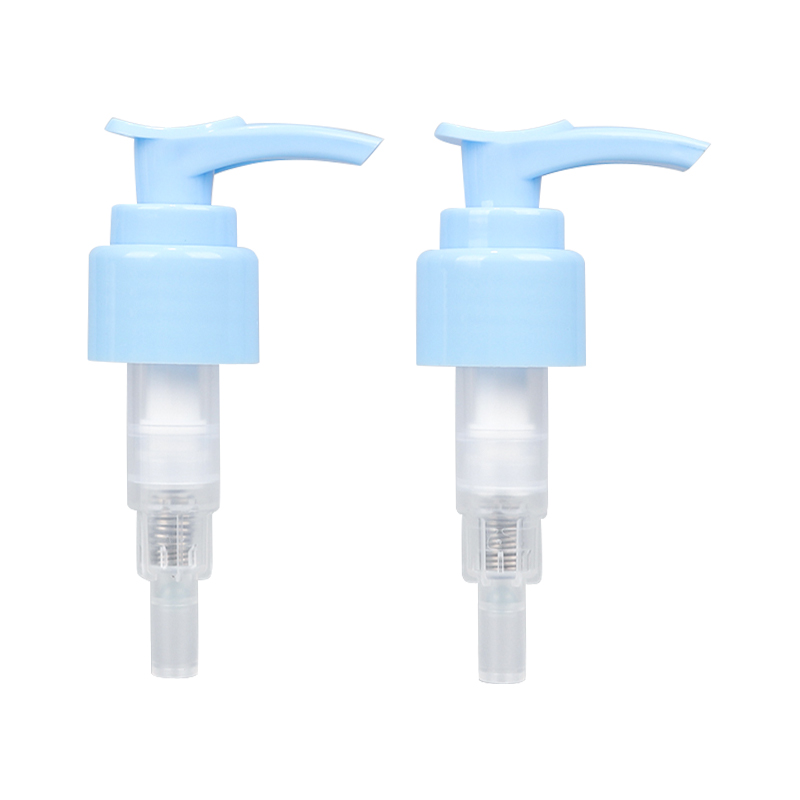 Screw-In Plastic Lotion Pump
Read More
Screw-In Plastic Lotion Pump
Read More 
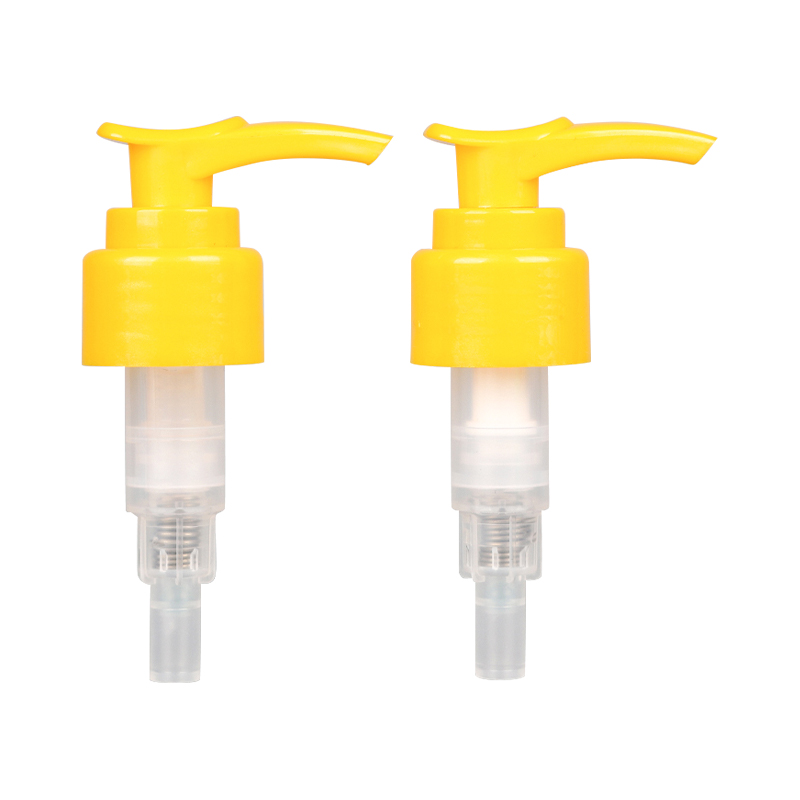 Screw Lotion Dispenser Pump
Read More
Screw Lotion Dispenser Pump
Read More 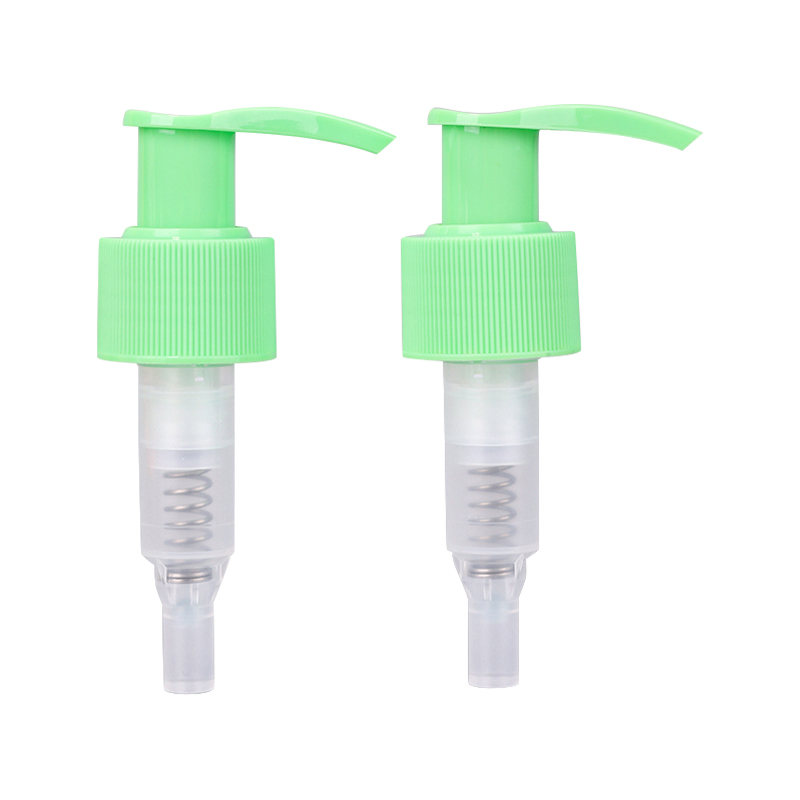 Twist-lock Lotion Pump
Read More
Twist-lock Lotion Pump
Read More 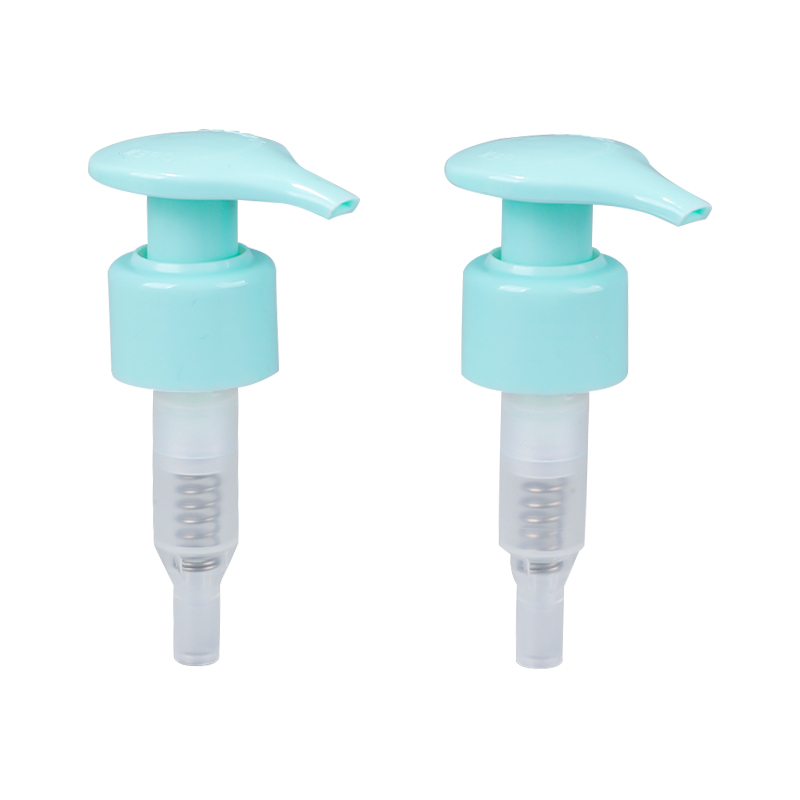 Right-Left Lock Dispenser Lotion Pump
Read More
Right-Left Lock Dispenser Lotion Pump
Read More  Adjustable Outside Spring Lotion Pump
Read More
Adjustable Outside Spring Lotion Pump
Read More  External Spring Liquid Pump
Read More
External Spring Liquid Pump
Read More  Refillable Replacement Lotion Pump
Read More
Refillable Replacement Lotion Pump
Read More  High Output Dispense Pumps
Read More
High Output Dispense Pumps
Read More  Full Plastic Lotion Pump
Read More
Full Plastic Lotion Pump
Read More  Blue Transparent Plastic Bottle With Pump
Read More
Blue Transparent Plastic Bottle With Pump
Read More  Lightweight Plastic Sprayer
Read More
Lightweight Plastic Sprayer
Read More  Leak-Proof Plastic Trigger Sprayer
Read More
Leak-Proof Plastic Trigger Sprayer
Read More  Choose precision and durability: Unlock the technical advantages of plastic trigger sprayers
Read More
Choose precision and durability: Unlock the technical advantages of plastic trigger sprayers
Read More  A deeper understanding of trigger sprayers: practical tips and environmental considerations
Read More
A deeper understanding of trigger sprayers: practical tips and environmental considerations
Read More  Plastic Trigger Sprayers: The Ultimate Guide to Functionality and Applications
Read More
Plastic Trigger Sprayers: The Ultimate Guide to Functionality and Applications
Read More  Effective Methods and Best Practices for Cleaning, Maintaining, and Extending the Lifespan of Your Plastic Lotion Pump
Read More
Effective Methods and Best Practices for Cleaning, Maintaining, and Extending the Lifespan of Your Plastic Lotion Pump
Read More  Custom Trigger Sprayer Head Manufacturers