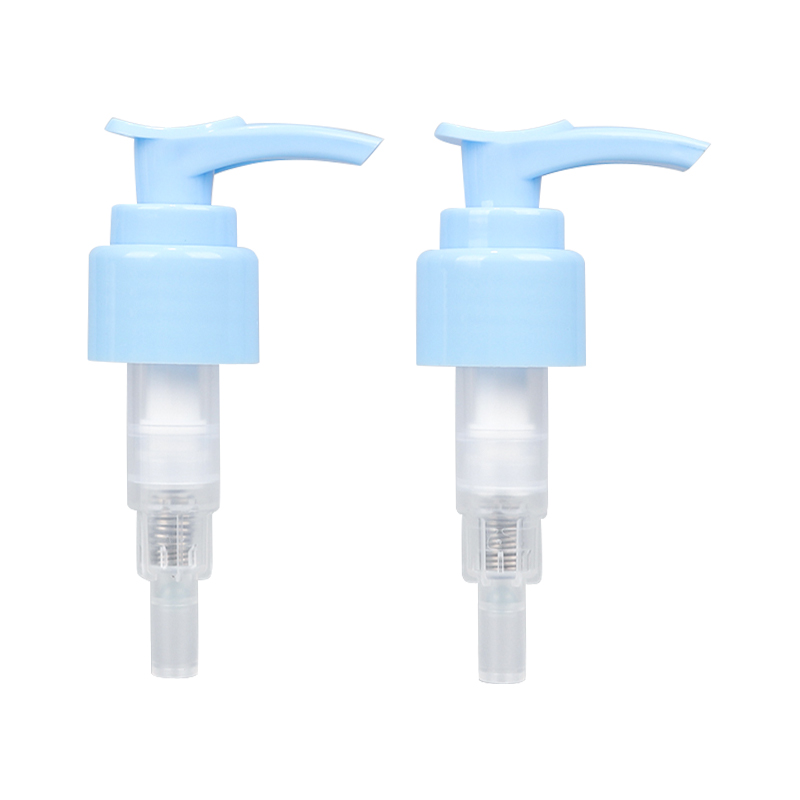
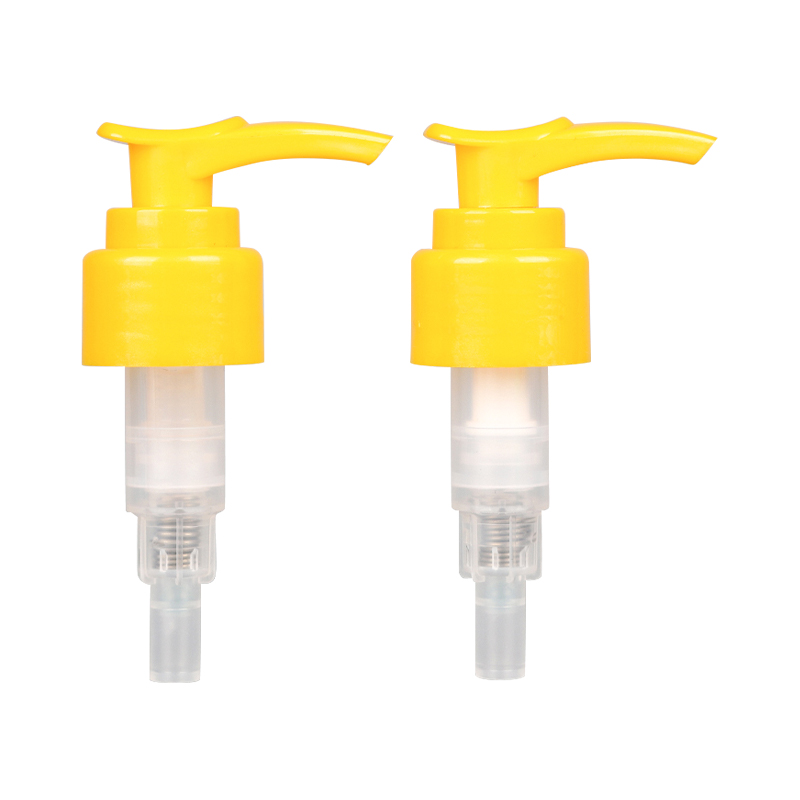
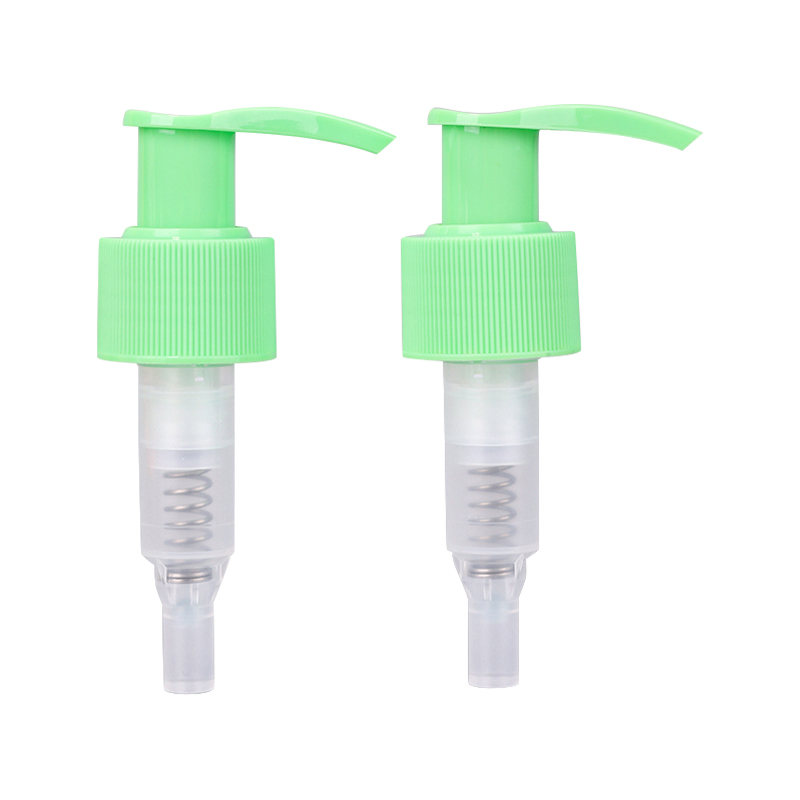
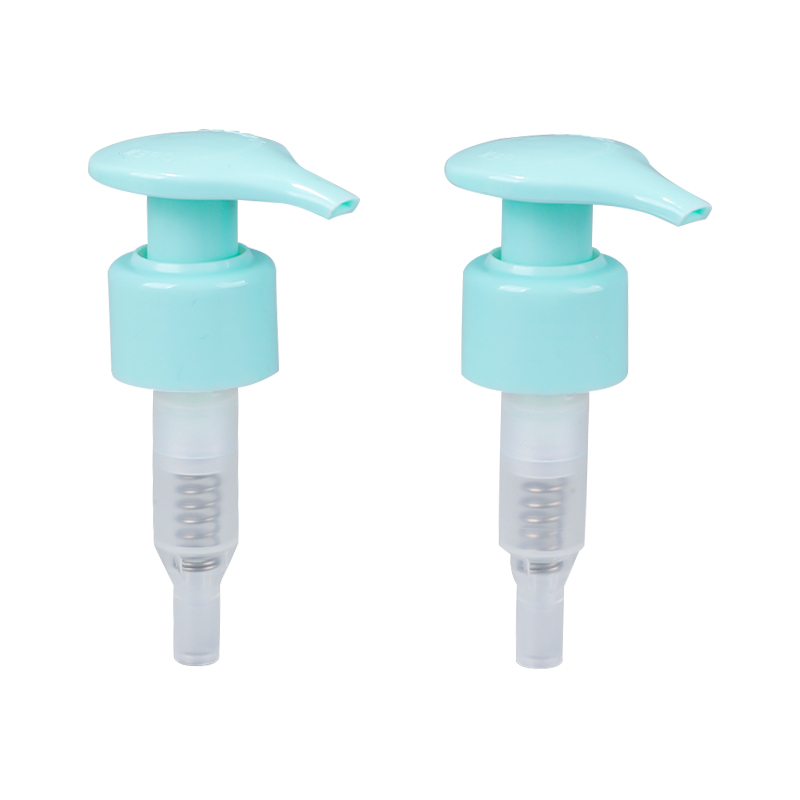
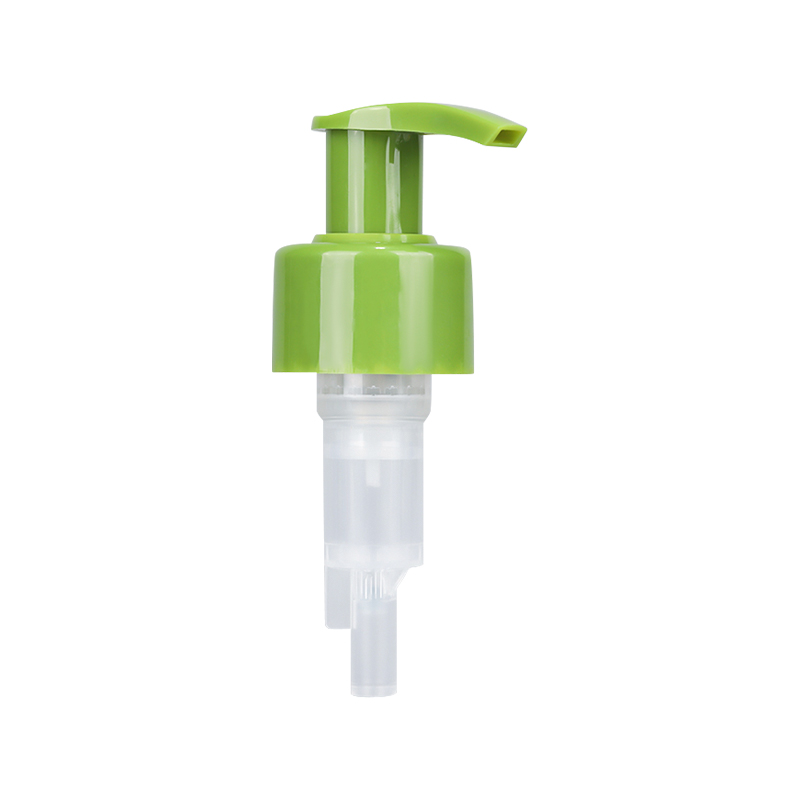
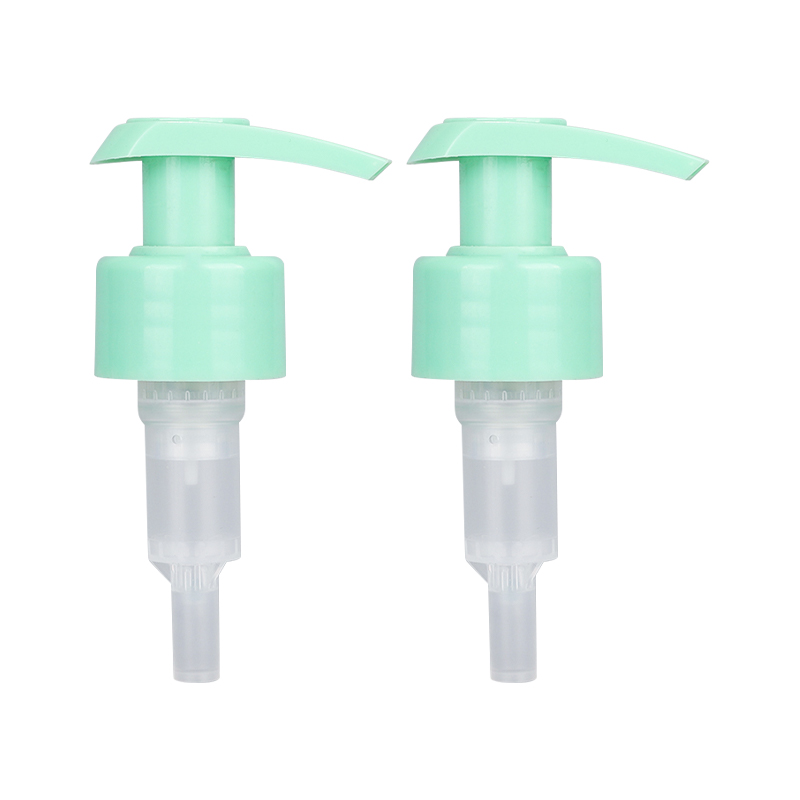
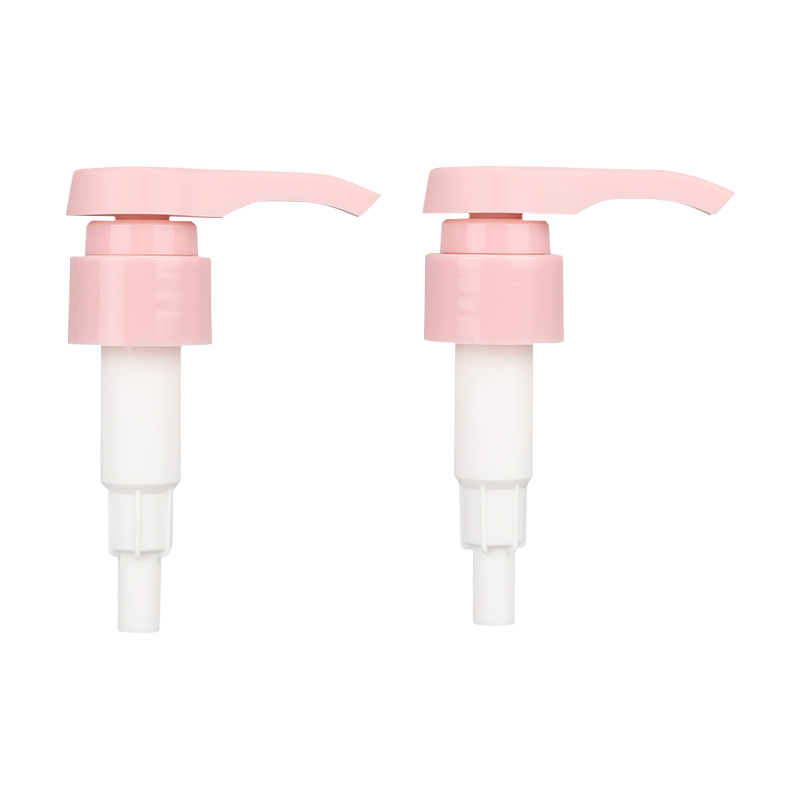
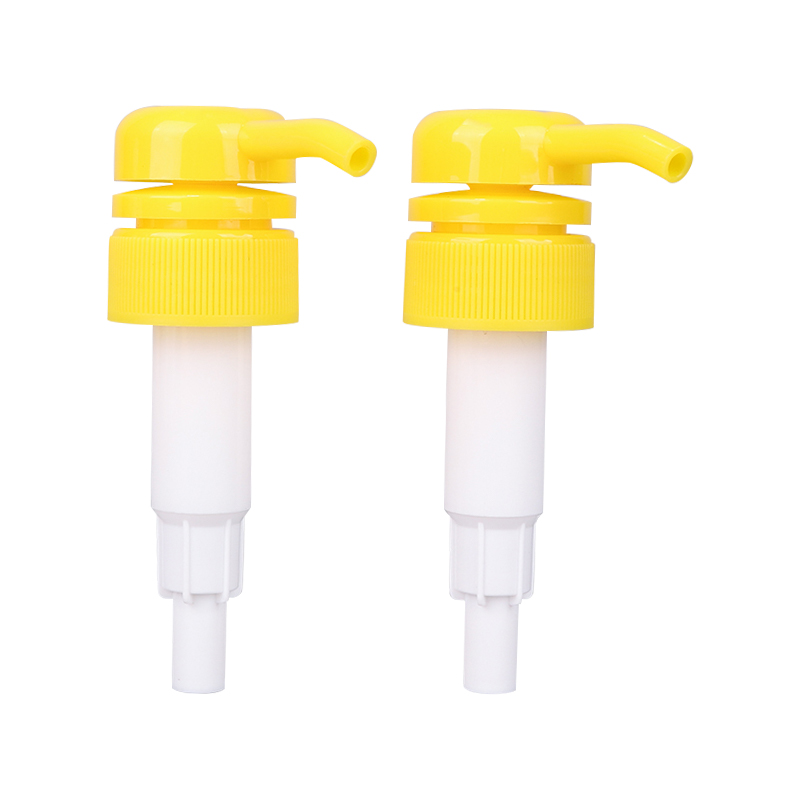
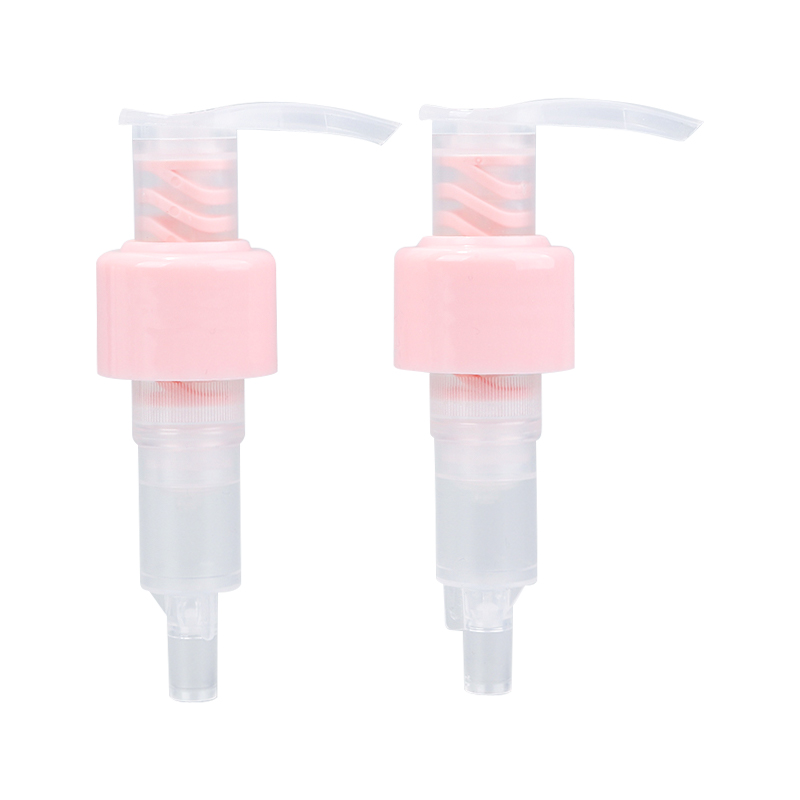
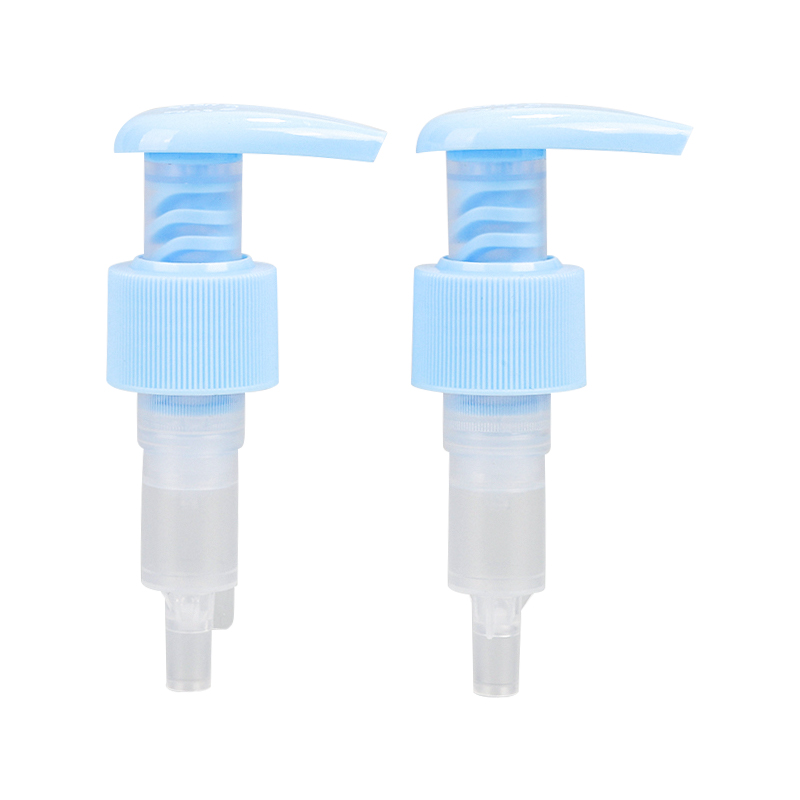
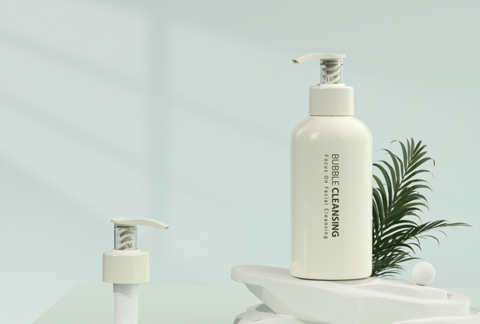
The High Output Lotion Pump is specifically engineered to handle high-viscosity formulations, including thick body butters, dense creams, heavy lotions, and gel-based products. Unlike standard dispensing pumps that clog or deliver inconsistent volumes when faced with viscous formulas, the High Output Lotion Pump is built with a wider inner bore, stronger spring tension, and a high-lift actuator mechanism that collectively enable smooth, controlled dispensing even at viscosities exceeding 50,000 cPs. That said, performance is not universal — several variables including tube diameter, formulation temperature, and bottle fill level all influence real-world compatibility. This article explains everything you need to know before committing to the High Output Lotion Pump for your high-viscosity product line.
What Makes the High Output Lotion Pump Different from Standard Pumps
Standard lotion pumps are optimized for thin-to-medium viscosity fluids — typically in the range of 1,000 to 10,000 cPs. When a formulation is thicker than this, conventional pumps struggle to draw the product up the dip tube under normal actuation pressure, leading to air pockets, incomplete strokes, and product waste.
The High Output Lotion Pump addresses this with several design-level differences:
- Wider dip tube diameter — typically 4mm to 6mm inner diameter versus the 3mm standard, reducing flow resistance for thick formulas.
- High-tension return spring — generates greater negative pressure on the upstroke, pulling viscous product upward more effectively.
- Large output volume per stroke — typically 2mL to 4mL per actuation, compared to 0.5mL to 1.5mL on standard pumps, reducing the number of strokes needed.
- Reinforced valve seal — prevents viscous product from backflowing into the tube between uses, maintaining pump prime.
These features combine to make the High Output Lotion Pump a purpose-built solution for the personal care, cosmetic, and pharmaceutical sectors where thick formulations are standard.
Viscosity Range: What the High Output Lotion Pump Can Realistically Handle
Understanding viscosity ranges is critical when evaluating whether the High Output Lotion Pump suits your product. Viscosity is measured in centipoise (cPs), and different formulation types fall into predictable ranges:
| Product Type |
Typical Viscosity (cPs) |
High Output Lotion Pump Compatible? |
| Water-based lotion |
1,000 – 5,000 |
Yes |
| Standard body cream |
10,000 – 25,000 |
Yes |
| Dense face cream |
25,000 – 50,000 |
Yes (with wide-bore tube) |
| Thick body butter |
50,000 – 100,000 |
Conditional (temperature-dependent) |
| Ultra-thick balm or paste |
100,000+ |
Not recommended |
Table 1: Viscosity compatibility guide for the High Output Lotion Pump across common formulation types.
The sweet spot for the High Output Lotion Pump is between 1,000 and 60,000 cPs. At the upper end of this range, ambient temperature plays an important role — warmer environments naturally reduce viscosity and improve pump performance.
Thick Body Butters: Specific Considerations
Body butters present a unique challenge not just because of their viscosity, but because of their rheological behavior — many body butters are thixotropic, meaning they thin under shear stress but thicken again at rest. This is actually favorable for the High Output Lotion Pump, because the act of pumping itself applies shear to the formulation, temporarily lowering resistance and allowing the product to flow.
Practical recommendations when using the High Output Lotion Pump with body butters:
- Store containers at room temperature (20–25°C / 68–77°F) to maintain pumpable viscosity.
- Use a dip tube with a minimum inner diameter of 5mm to reduce suction resistance.
- Prime the High Output Lotion Pump with 3 to 5 strokes before first use to establish product flow.
- Avoid filling the bottle beyond 90% capacity — an air gap above the product allows pressure equalization during pumping.
- If the body butter contains waxes or butters with a melting point above 30°C, test pump performance at both summer and winter ambient temperatures before full production.
Dense Creams: Performance in Real-World Conditions
Dense creams — such as barrier repair creams, overnight moisturizers, and rich hand creams — typically fall in the 20,000 to 50,000 cPs range. This is where the High Output Lotion Pump performs most reliably under consistent conditions.
In controlled dispensing tests, High Output Lotion Pumps have demonstrated output consistency rates of ±5% variance per stroke across 500-cycle tests with formulations in this viscosity band. This level of dosing accuracy matters significantly in pharmaceutical and premium cosmetic applications where product delivery volume affects both efficacy and user experience.
Key factors that affect performance with dense creams:
- Emulsifier type — creams stabilized with polymeric emulsifiers tend to flow more smoothly through the pump than wax-based emulsions.
- Water content — formulations with higher water phase (above 60%) are easier to pump even at high viscosity.
- Preservative system — some preservatives interact with the pump's internal elastomer seals; always request material compatibility data from your High Output Lotion Pump supplier.
Material Compatibility: Will the Pump React with Your Formula?
Beyond mechanical performance, chemical compatibility is a critical evaluation point. The High Output Lotion Pump typically consists of the following materials, each with its own compatibility profile:
| Component |
Typical Material |
Compatibility Risk |
| Pump body / housing |
PP (Polypropylene) |
Low — resistant to most cosmetic ingredients |
| Dip tube |
PE (Polyethylene) |
Low — flexible and chemically inert |
| Inner spring |
Stainless steel or plastic |
Medium — metal springs may corrode with acidic or high-alcohol formulas |
| Valve seal / gasket |
TPE or LDPE |
Medium — may swell with high concentrations of essential oils or solvents |
Table 2: Material breakdown of the High Output Lotion Pump and associated chemical compatibility risks.
For products containing more than 20% ethanol, high concentrations of citrus-derived oils, or pH values below 4.0, request a compatibility test report from your pump manufacturer before going to market.
How to Test Whether the High Output Lotion Pump Works with Your Specific Formula
Before scaling to full production, a structured compatibility test prevents costly reformulation or packaging changes later. Follow this sequence:
- Measure baseline viscosity — use a rotational viscometer to determine your formula's viscosity at 20°C and 30°C. This gives you a temperature-performance range.
- Fill test bottles — fill to 80%, 50%, and 20% levels to assess pump performance across the entire product lifecycle, not just when the bottle is full.
- Run a 100-stroke priming test — count strokes needed before consistent output is achieved and record average output volume per stroke.
- Conduct a 4-week stability test — store filled, pump-fitted bottles at 40°C and 75% relative humidity (ICH accelerated conditions) and re-test output consistency after 2 and 4 weeks.
- Evaluate material interaction — inspect pump internals for discoloration, seal swelling, or spring corrosion after the stability period.
A High Output Lotion Pump that passes this five-step protocol with fewer than 3 priming strokes, ±5% output variance, and no material degradation is considered fit for your formulation.
When the High Output Lotion Pump Is Not the Right Choice
Despite its capabilities, the High Output Lotion Pump is not a universal solution. It is not recommended for:
- Formulations exceeding 100,000 cPs at room temperature — these require jar packaging or spatula dispensing instead.
- Products that must remain completely air-free — for these, an airless pump or collapsible tube format is more appropriate.
- Formulations containing large particulate matter (e.g., exfoliating beads above 2mm diameter) which can block the pump valve.
- Very low-fill-weight products (under 50mL) where the dip tube-to-bottle ratio makes near-empty dispensing impractical.
Matching your packaging format to your formulation type from the earliest development stage saves significant time and investment. The High Output Lotion Pump is an excellent solution within its designed range — and understanding those boundaries is precisely what ensures a reliable, professional end product.

 English
 русский
 Français
 Español
 italiano