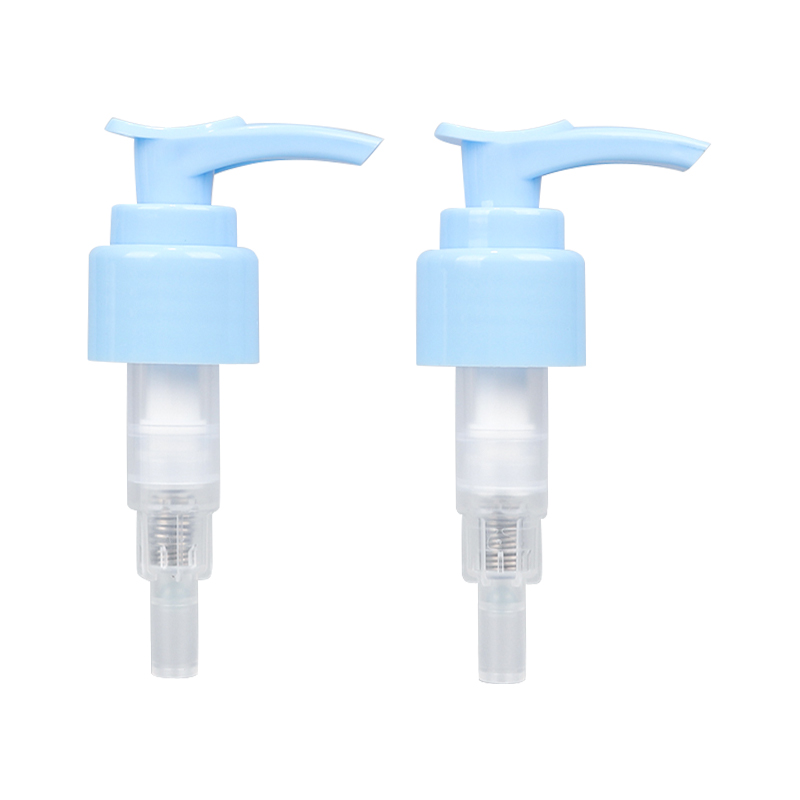
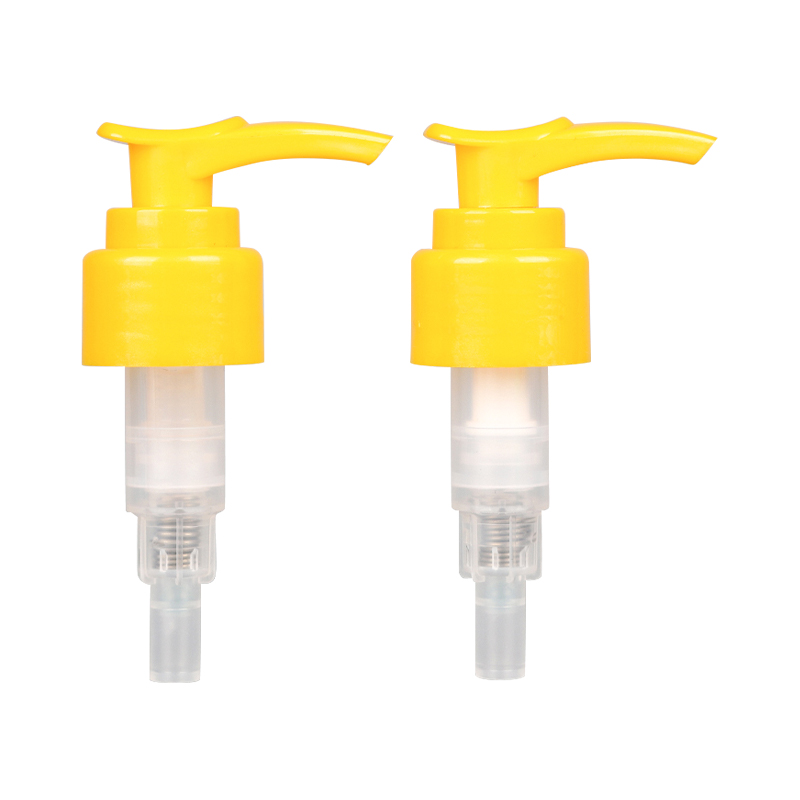
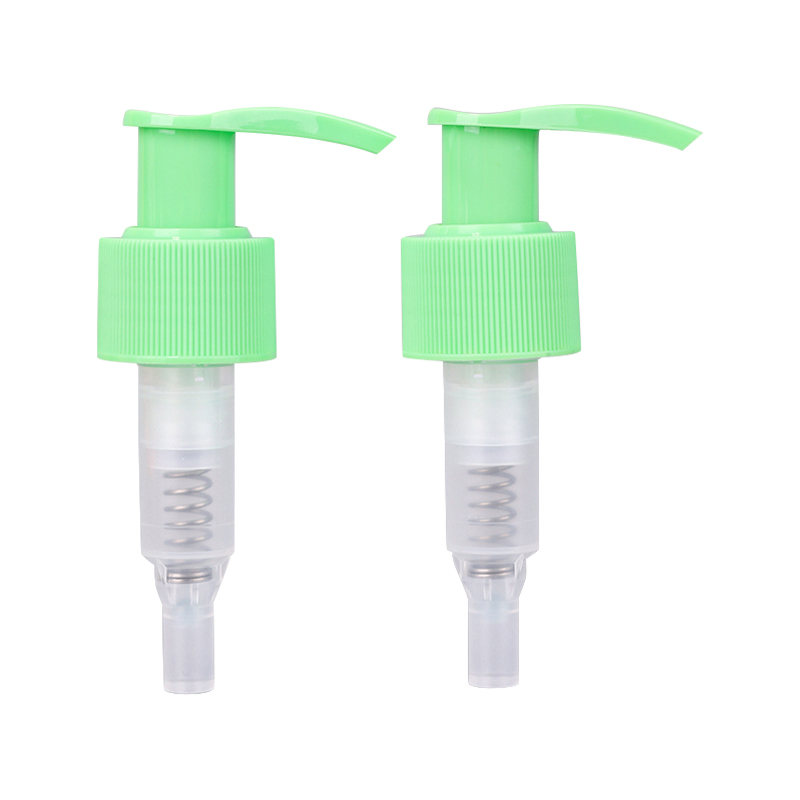
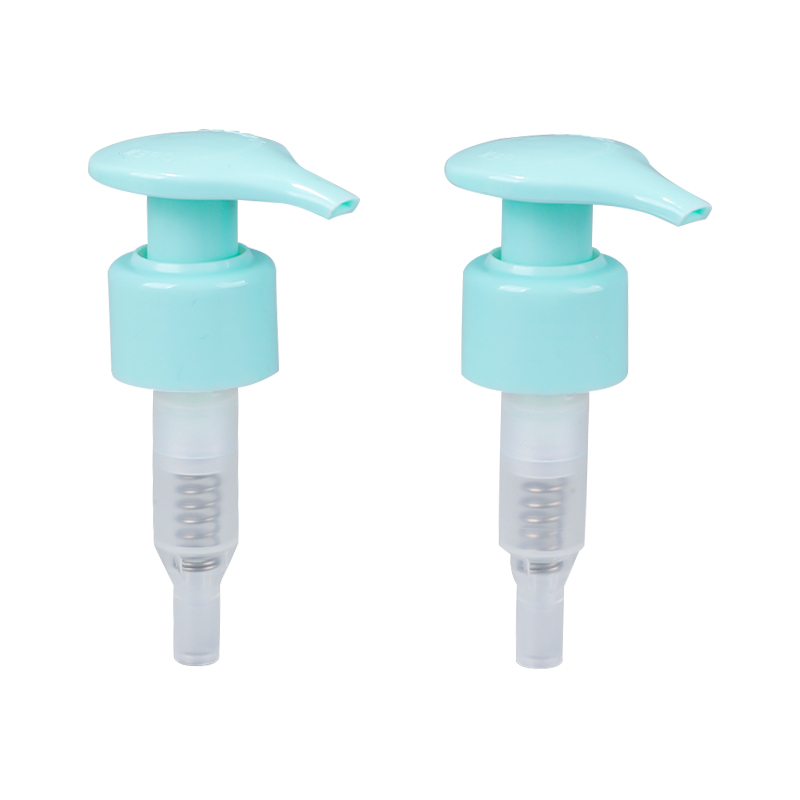
Picture a maintenance worker standing under a machine, reaching upward with a bottle of degreaser. The trigger points at the target, but the bottle is upside down, and a standard trigger sprayer quickly gulps air instead of fluid. The worker tilts the bottle back, shakes it, and then resumes, losing time and leaving several centimeters of product unusable in the bottom. An inverted trigger sprayer eliminates that problem by keeping the pickup submerged when the bottle is inverted. In this guide, we explain how this type of sprayer works, where it excels, and which design details you should check before buying.
What Is an Inverted Trigger Sprayer?
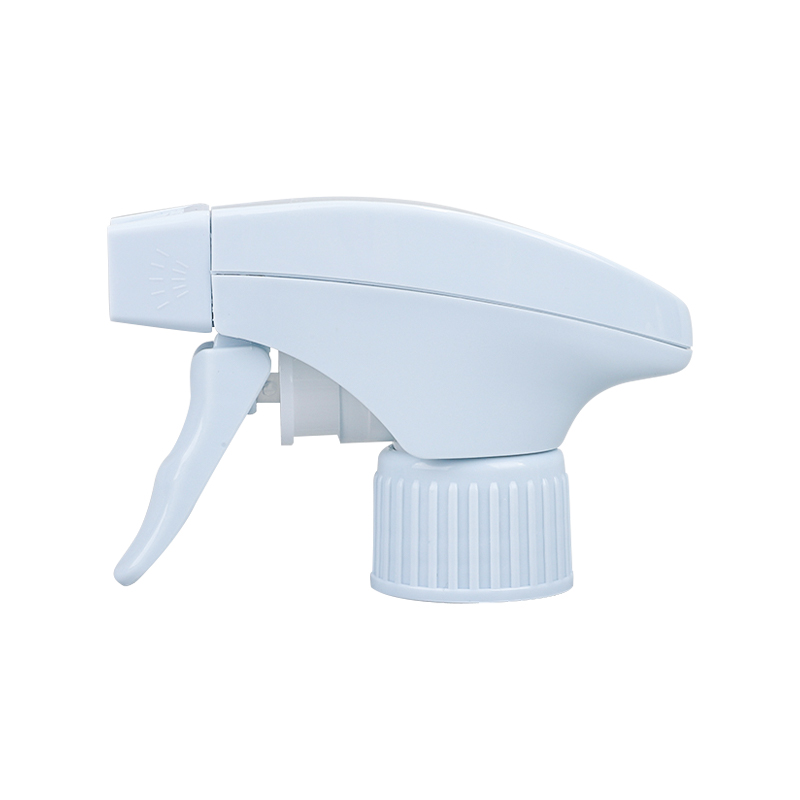
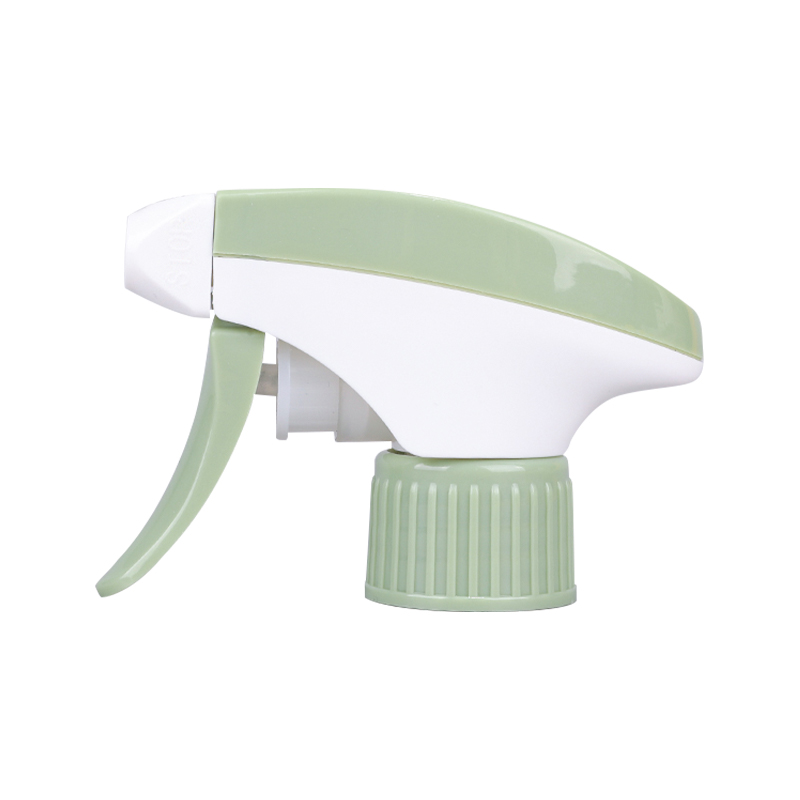
An inverted trigger sprayer, sometimes called an upside-down trigger sprayer, is a liquid dispensing device designed to operate when the bottle is positioned upside down. Unlike a conventional trigger sprayer, which relies on a dip tube reaching to the bottom of an upright bottle, an inverted model uses a weighted pickup or a specially configured internal pathway. That pickup stays covered by the liquid as long as the bottle is inverted, so the spray continues without air pockets.
This technical change matters more than you might expect. When a bottle is turned upside down, the remaining liquid gathers near the cap. A standard pickup tube pointing toward the base of the bottle no longer reaches it. The result is sputtering, inconsistent spray, and waste. An inverted trigger sprayer is built from the beginning to work in that position. For a more general look at how different trigger sprayer designs behave, you can read our guide to trigger sprayer functionality and applications.
How an Inverted Trigger Sprayer Works
Two components control whether a trigger sprayer can work upside down: the pickup assembly and the sealing system.
Pickup Assembly
In an inverted design, the pickup tube or weighted inlet is positioned so that it remains in the liquid pool at the cap end of the bottle. On some models, a flexible tube with a filter follows the liquid as you rotate the bottle. On others, a rigid channel and one-way valve force the liquid into the pump chamber. The critical point is that the inlet has a lower risk of drawing air even when the remaining volume is small.
Sealing and Venting
Because the liquid surrounds the pump mechanism in the inverted position, the trigger valve and the bottle cap seal must work together. A standard trigger may leak from the nozzle or around the cap when stored upside down. An inverted trigger sprayer uses a tighter internal valve, a vent that equalizes pressure, and often a secondary gasket to prevent drips. This is why not every trigger sprayer can be used simply by turning the bottle over.
The practical difference is easiest to see in a side-by-side comparison.
Comparison of a standard trigger sprayer and an inverted trigger sprayer when the bottle is turned upside down
| Characteristic |
Standard trigger sprayer |
Inverted trigger sprayer |
| Liquid pickup |
Pickup tube reaches the bottom of an upright bottle |
Weighted pickup or channel stays covered when inverted |
| Usable liquid |
Often leaves a pool when tilted |
Allows near-complete emptying |
| Leak risk when inverted |
Higher without special valve and vent |
Lower due to sealed valve and venting |
| Best use |
Downward or horizontal spraying from an upright bottle |
Overhead, underside, or confined-space applications |
When the bottle is inverted, the sprayer must also handle the weight of the liquid column pressing on the valve. A well-designed spring and seal keep the closure positive until you pull the trigger, which protects the formulation from evaporation and keeps the cap dry.
Key Benefits of an Inverted Trigger Sprayer
Switching to an inverted trigger sprayer changes the daily experience of spraying, not just the orientation of the bottle. The main advantages are practical and measurable:
- Less chemical waste: you can finish the last portion of a bottle instead of dumping it or refilling early.
- Fewer awkward body positions: you can reach under countertops, machinery, and vehicle components without twisting your wrist.
- More consistent spray: a steady liquid supply reduces sputtering and keeps the spray pattern uniform.
- Faster work: operators do not have to stop, shake, or reorient the bottle as often.
In automotive detailing, an inverted trigger sprayer is useful for applying dressings to tire sidewalls and reaching behind bumper covers. In commercial cleaning, it helps crews sanitize the underside of counters and restroom fixtures. For maintenance teams, it allows one-hand application of penetrating fluids to chains, conveyor rails, and other overhead parts. If your team frequently works below the bottle line, the inverted design removes a constant annoyance.
Where the Inverted Design Saves the Most Time
The value of this format is highest in any task that requires the spray to hit a surface above your hands. Cleaning the underside of a table, treating the back of a control panel, or degreasing the upper section of an oven are all examples. In each case, you want the sprayer to work with the bottle pointing upward, and you do not want to stop every few seconds to reposition it.
For teams that are still evaluating whether to standardize on one format, comparing the available options is easier when you see the whole trigger sprayer product line. The inverted version is one option, but other angled or leak-resistant formats may also fit your workflow.
How to Choose an Inverted Trigger Sprayer
Before you place an order, check five aspects: chemical compatibility, bottle neck fit, output, leak resistance, and ergonomics.
Chemical Compatibility
The sprayer materials must tolerate the liquid you will fill. For cleaning chemicals, concentrated degreasers, or disinfectants, a plastic body with a metal-free spring avoids rust and premature failure. If you use aggressive products, a metal-free spring trigger sprayer removes the most common point of corrosion.
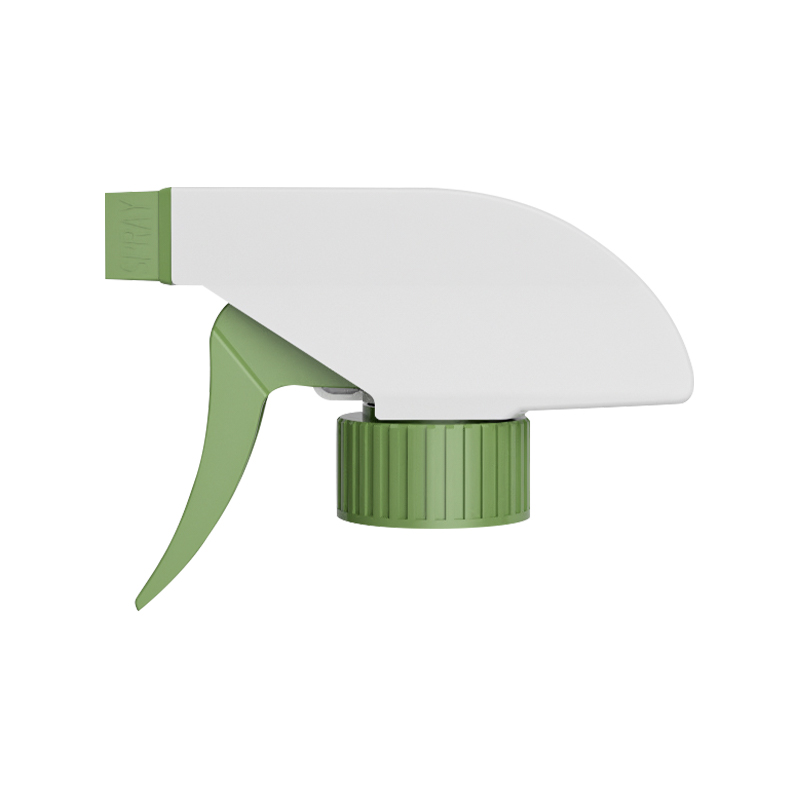 Wholesale Metal-Free Spring Trigger Sprayer Suppliers, Factory - Zhejiang Eaed TZhejiang Eaed Technology Development Co., Ltd. is China wholesale Metal-Free Spring Trigger Sprayer factory and suppliers, Metal-free spr...View Product →
Bottle Neck Fit
Thread dimensions determine whether the sprayer will sit correctly on your bottle. Measure the neck finish or confirm the specification with your packaging supplier before buying large quantities.
Output and Spray Pattern
Different tasks require different flow rates. Some formulations work best as a fine mist, while others need a sharp stream to cover a larger area. Adjustable nozzles give you flexibility, but you should test the output at the intended bottle orientation.
Leak Resistance
An inverted trigger sprayer must hold liquid in a pressurized zone while the bottle is upside down. Look for an internal valve that closes without dripping after you release the trigger. If the container will be knocked over during transport or storage, a leakproof plastic trigger sprayer adds extra protection.
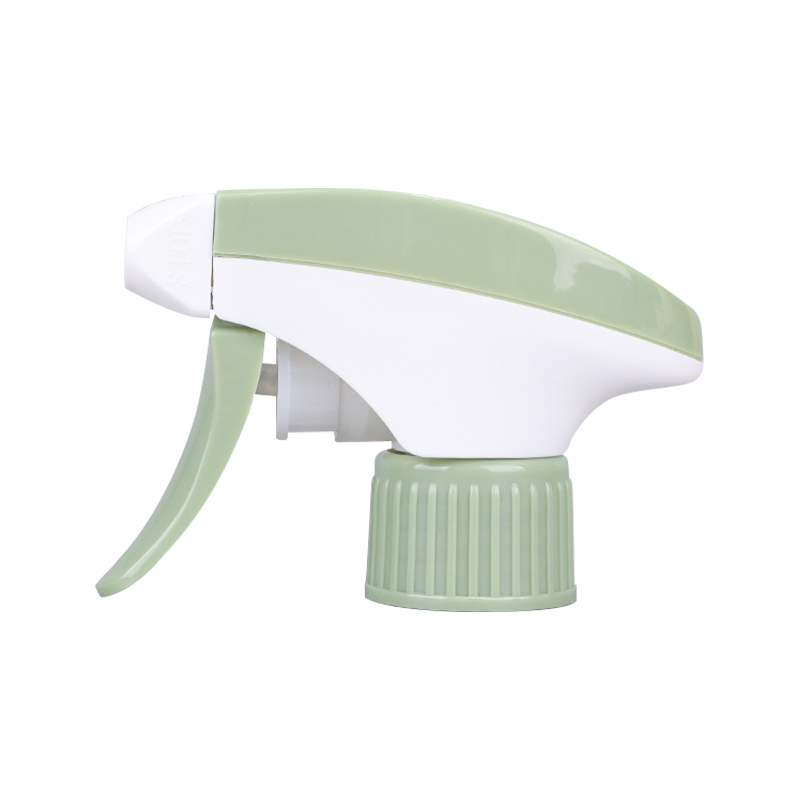 Wholesale Leak-Proof Plastic Trigger Sprayer Suppliers, Factory - Zhejiang Eaed Zhejiang Eaed Technology Development Co., Ltd. is China wholesale Leak-Proof Plastic Trigger Sprayer factory and suppliers, The leak-proo...View Product →
Ergonomics
The effort needed to pull the trigger matters in repetitive work. A well-balanced handle and a smooth compression cycle reduce hand fatigue, especially when spraying overhead. Choose a size that fits the hands of the people who will use it.
Why Material and Manufacturing Quality Matter
In an inverted sprayer, the liquid sits directly against seals and moving parts for longer periods than in a standard upright bottle. That puts stress on O-rings, springs, and check valves. In our manufacturing experience, the most common failure is not a broken trigger but a small seal or spring that was not designed for continuous contact with the product. Tolerances of a few tenths of a millimeter determine whether a valve seals or weeps.
That is why an inverted design needs controlled dimensions, clean molding, and careful assembly. An inverted plastic trigger sprayer with a robust seal stack keeps the liquid path separate from the spring cavity and uses a valve that seats positively. When you compare options, ask for samples and test them with your actual liquid, at the actual angle of use.
 Wholesale Inverted Plastic Trigger Sprayer Suppliers, Factory - Zhejiang Eaed TeZhejiang Eaed Technology Development Co., Ltd. is China wholesale Inverted Plastic Trigger Sprayer factory and suppliers, The inverted pl...View Product →
Practical Maintenance and Usage Tips
An inverted trigger sprayer is built to handle upside-down use, but it still needs routine care.
- Rinse the sprayer after use if you switch between incompatible chemicals.
- Store bottles in a cool place out of direct sunlight, especially if the sprayer has plastic seals.
- Check the vent and nozzle openings for clogged residue.
- Do not over-tighten the cap; a damaged gasket can leak in any orientation.
- Before ordering a large batch, test several samples with your bottle and your product to verify flow and seal integrity.
An inverted trigger sprayer is not just a flip of the bottle. It is a deliberate redesign of the pickup, valve, and sealing system so that gravity works for you instead of against you. The result is less product waste, fewer interruptions, and easier access to hard-to-reach surfaces. Focus on the pickup geometry, chemical compatibility, sealing quality, and ergonomic fit. A well-chosen inverted sprayer will feel so natural that you will wonder why all spray bottles do not work that way.

 English
 русский
 Français
 Español
 italiano