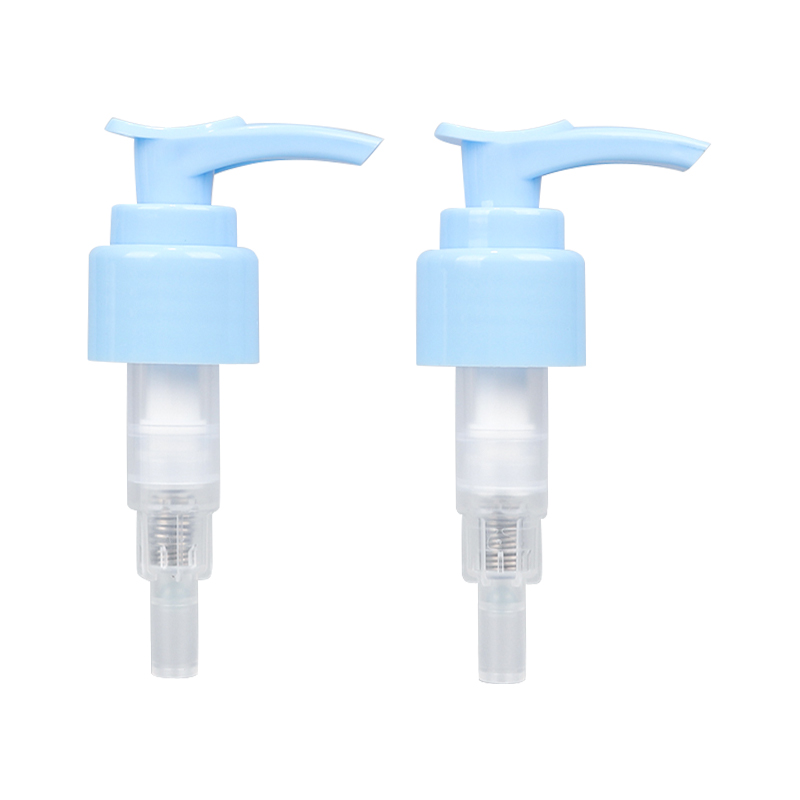
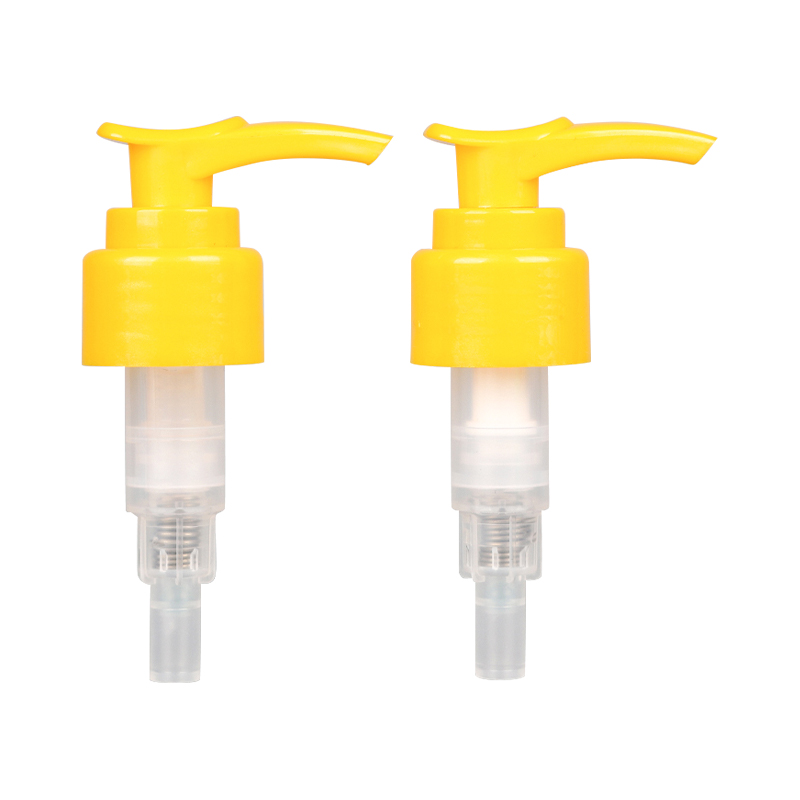
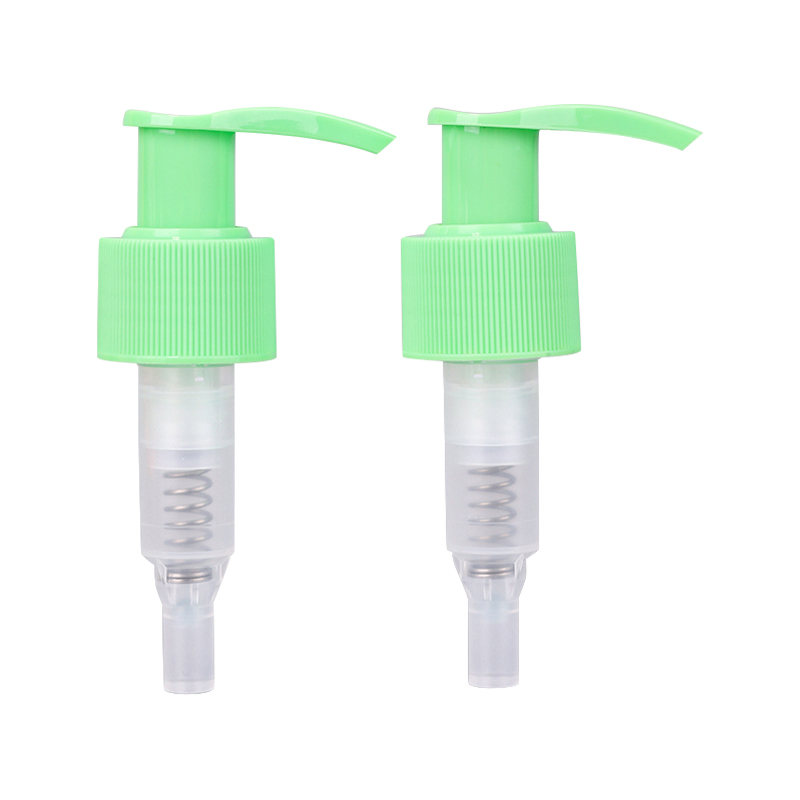
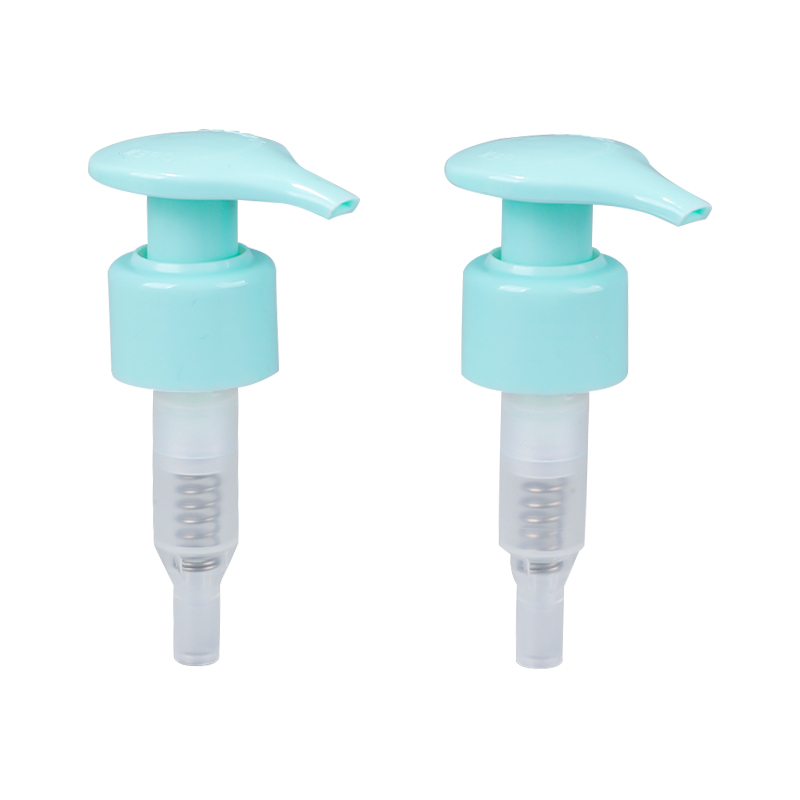
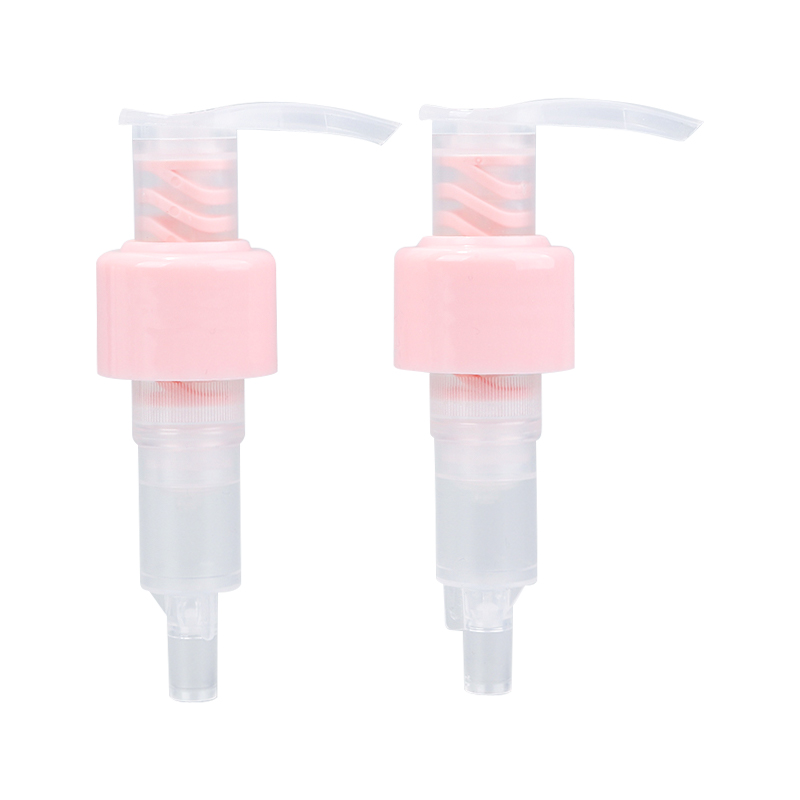
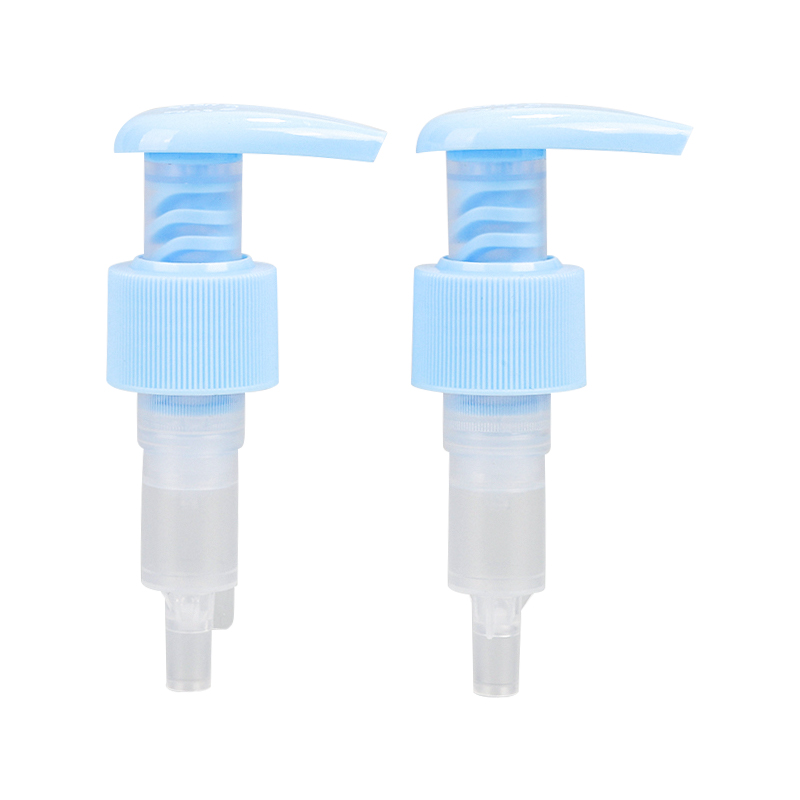
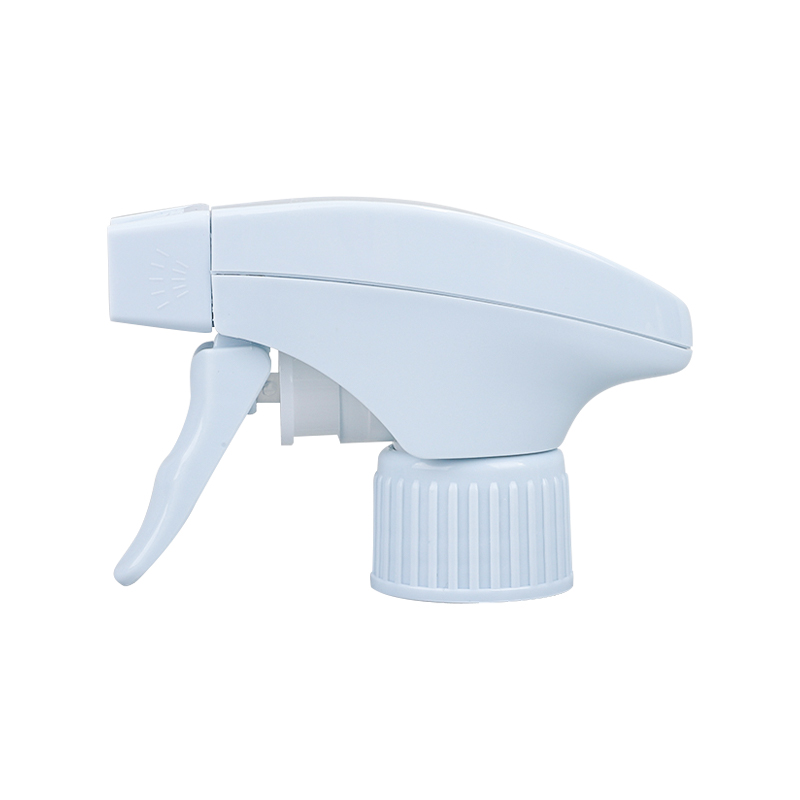
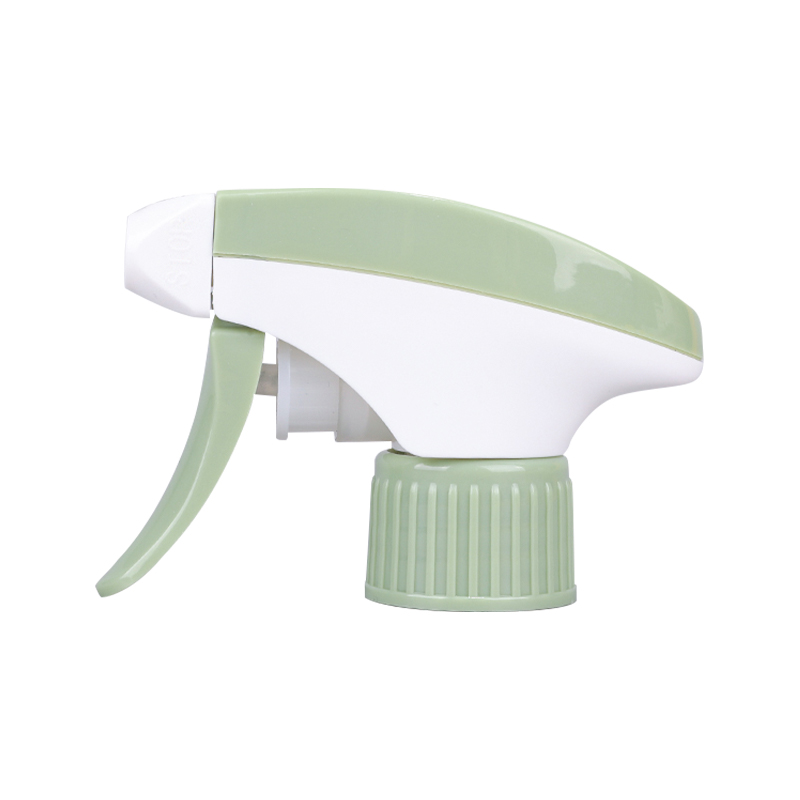
Plastic sprayers can become brittle in low temperatures, but the degree depends heavily on the type of plastic used. Standard polypropylene (PP) plastic sprayers begin to show increased brittleness at temperatures below 0°C (32°F), while fiberglass sprayers maintain structural integrity down to -40°C (-40°F) or lower. That said, not all plastic sprayers are equal, and modern high-density polyethylene (HDPE) formulations with cold-weather additives can significantly close this performance gap. Understanding the difference is critical before choosing a sprayer for winter agricultural, industrial, or garden use.
Why Plastic Sprayers Become Brittle in Cold Weather
Plastics are polymer chains that rely on molecular mobility to maintain flexibility. When temperatures drop, this mobility decreases, causing the material to transition from a ductile state to a brittle one. This is known as the glass transition temperature (Tg) — the point at which a polymer shifts from flexible to rigid and crack-prone.
For a standard plastic trigger sprayer made of polypropylene, the Tg is approximately -10°C to -20°C (14°F to -4°F). However, impact resistance begins to decline well before this threshold — often noticeably at 0°C to 5°C (32°F to 41°F). This means a plastic trigger sprayer used during a cold winter morning is already at risk of cracking under pressure or upon impact with a hard surface.
Common failure points on a plastic sprayer in low temperatures include:
- Tank walls cracking when dropped on frozen ground
- Pump cylinders snapping under pumping pressure
- Nozzle tips becoming brittle and breaking off
- Trigger mechanisms stiffening or shattering on the trigger sprayer assembly
- Seals and gaskets shrinking and losing their airtight fit
Fiberglass Sprayers vs. Plastic Sprayers: Cold-Weather Performance Compared
Fiberglass sprayers are constructed from glass fiber-reinforced resin composites, which give them a fundamentally different response to cold than thermoplastic polymers. Here is a direct comparison:
Table 1: Cold-Weather Performance — Plastic Sprayer vs. Fiberglass Sprayer
| Feature |
Plastic Sprayer (PP/HDPE) |
Fiberglass Sprayer |
| Minimum Operating Temp |
0°C to -20°C (32°F to -4°F) |
-40°C (-40°F) or lower |
| Brittleness Risk |
High (especially PP grades) |
Very Low |
| Impact Resistance (Cold) |
Moderate to Low |
High |
| Weight |
Light (1–2 kg for 5L tank) |
Heavier (2.5–4 kg for 5L tank) |
| Cost |
Low to Moderate ($10–$60) |
High ($80–$300+) |
| Chemical Resistance |
Good (HDPE), Moderate (PP) |
Excellent |
| Repairability |
Easy (part replacement) |
Difficult (specialist repair) |
Fiberglass sprayers have a clear structural advantage in freezing environments, but their higher cost and weight make them impractical for everyday or light seasonal use. A plastic trigger sprayer remains the dominant choice for indoor winter applications, heated greenhouses, or environments where temperatures rarely drop below freezing.
Which Plastic Types Hold Up Best in Cold Conditions?
Not all plastic sprayers are made from the same material. The cold-weather resilience of a plastic sprayer depends significantly on its resin type:
HDPE (High-Density Polyethylene)
HDPE is the most cold-tolerant common plastic used in sprayer tanks. It retains flexibility down to approximately -50°C (-58°F) in some grades, making it a strong performer in outdoor winter conditions. Many professional-grade plastic sprayers use HDPE tanks precisely for this durability.
PP (Polypropylene)
Polypropylene is widely used in both the body and trigger sprayer components of consumer-grade plastic sprayers. It is cost-effective but becomes brittle more readily in cold — standard PP can crack at temperatures as mild as 0°C to -5°C (32°F to 23°F), especially under mechanical stress. Impact-modified PP (also called co-polymer PP) improves cold performance significantly.
PVC (Polyvinyl Chloride)
PVC is rarely used for sprayer tanks but appears in hoses and tubing. Unplasticized PVC becomes extremely brittle in cold weather and should be avoided in sub-zero environments entirely.
Real-World Scenarios: When a Plastic Sprayer Fails in Winter
To make this practical, consider the following common situations where cold-temperature brittleness becomes a real problem for plastic sprayer users:
- Agricultural spraying at dawn in winter: At 2°C (36°F), a standard PP-body trigger sprayer left in an unheated barn overnight may crack at the pump cylinder when the user begins pumping — the combination of cold embrittlement and internal pressure creates a stress fracture.
- Road-side de-icing operations: Workers using a plastic sprayer to apply salt solution in -10°C (14°F) conditions report that nozzle tips snap off during adjustment, and the plastic tank develops hairline cracks after repeated use.
- Greenhouse winter maintenance: Inside a heated greenhouse at 12°C (54°F), a plastic trigger sprayer performs without issue — this is actually the ideal winter use case for a standard plastic sprayer.
- Vehicle or equipment cleaning in winter garages: At 5°C to 10°C (41°F to 50°F), a plastic sprayer handles cleaning chemicals adequately, though seals may stiffen and require a brief warm-up period before delivering consistent spray.
How to Extend the Cold-Weather Life of a Plastic Sprayer
If you must use a plastic sprayer in cold conditions, these practical steps can reduce the risk of brittleness-related failure:
- Store the plastic sprayer indoors overnight or between uses. Even brief warm-up time at room temperature significantly restores polymer flexibility.
- Empty the tank completely after each use in winter. Residual liquid can freeze inside, expanding and cracking the tank walls from the inside out.
- Choose an HDPE tank over standard PP when purchasing a plastic sprayer for outdoor winter use. The product specification sheet should clearly state the resin type.
- Avoid dropping the sprayer on hard or frozen surfaces — impact resistance drops sharply in cold, and what would be a minor knock in summer can shatter a nozzle or crack a tank in winter.
- Lubricate seals and O-rings with a silicone-based lubricant before cold-weather use to prevent shrinkage-related leaks at the trigger sprayer connection points.
- Wrap insulation around the tank body if operating continuously in sub-zero environments — foam pipe insulation cut to size works effectively and adds minimal weight.
When to Choose a Fiberglass Sprayer Over a Plastic Sprayer
A fiberglass sprayer is the more appropriate investment when all of the following conditions apply:
- Operating temperatures regularly fall below -15°C (5°F)
- The sprayer is used outdoors continuously for hours at a time in winter
- The application involves aggressive solvents or chemicals that also degrade plastic
- Budget allows for a higher upfront investment in exchange for long-term durability
- The user operates in professional agricultural, industrial, or municipal environments
For all other scenarios — including most garden, greenhouse, and light commercial applications — a high-quality HDPE plastic sprayer equipped with a cold-rated trigger sprayer mechanism offers a practical, cost-efficient solution that performs adequately through mild winter conditions.
Final Verdict: Plastic Sprayer in Winter — Viable With the Right Choices
A plastic sprayer does become more brittle in low temperatures, but this is not an automatic disqualifier for winter use. The material grade, storage habits, and operating temperature range are the three factors that determine whether your plastic sprayer will survive the season intact. A well-made HDPE plastic trigger sprayer, properly stored and maintained, can handle mild to moderate winter conditions without failure. However, in consistently harsh sub-zero environments, a fiberglass sprayer's superior cold-weather resilience justifies its higher price tag.
The smartest approach is to match the sprayer material to your actual working environment — not the worst-case scenario, and not an optimistic assumption. Know your temperatures, know your plastic type, and your trigger sprayer will deliver reliable performance regardless of the season.

 English
 русский
 Français
 Español
 italiano