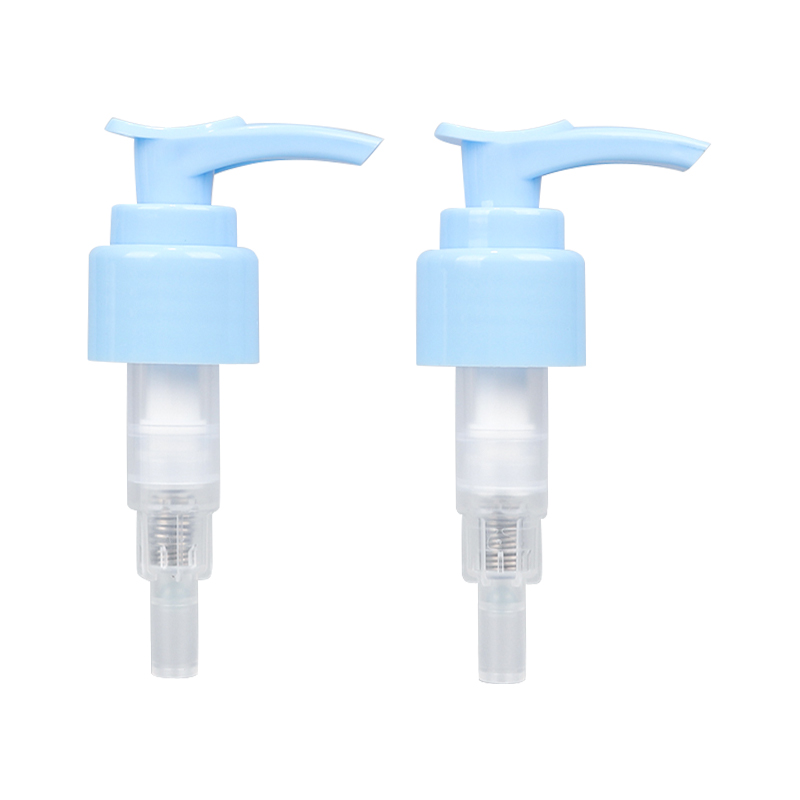
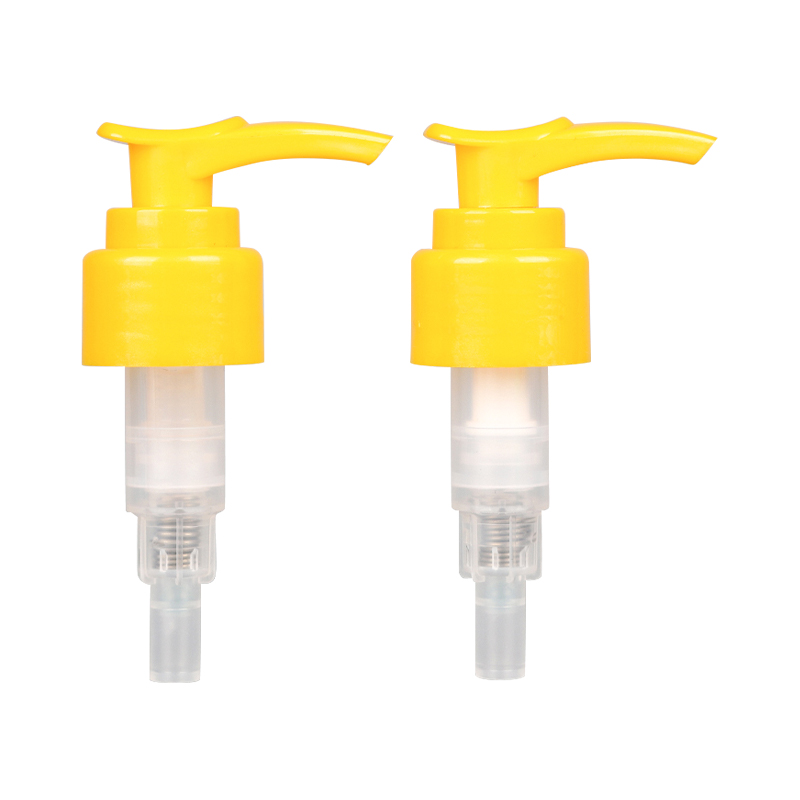
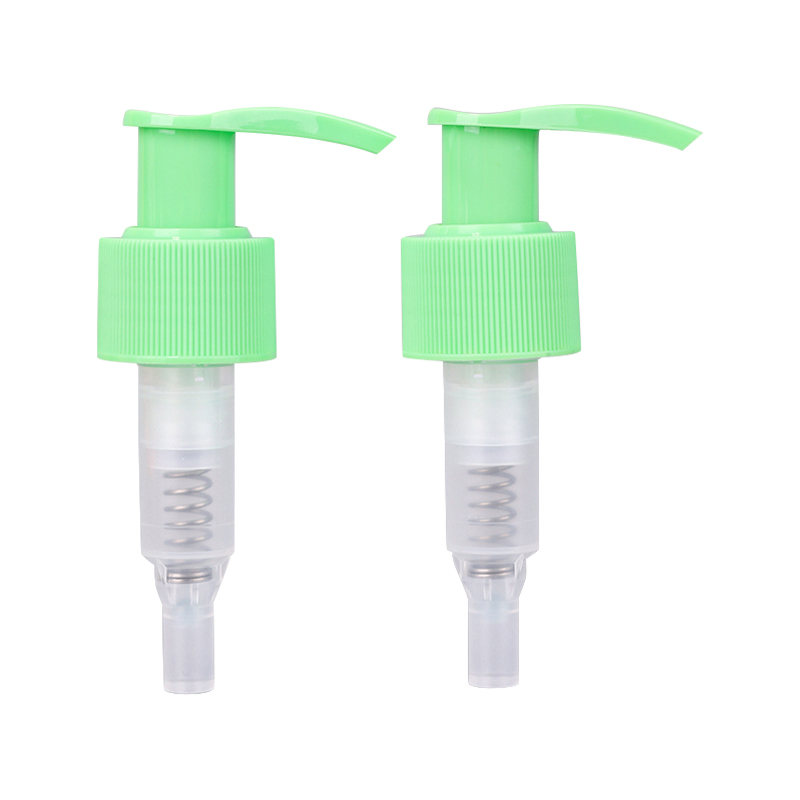
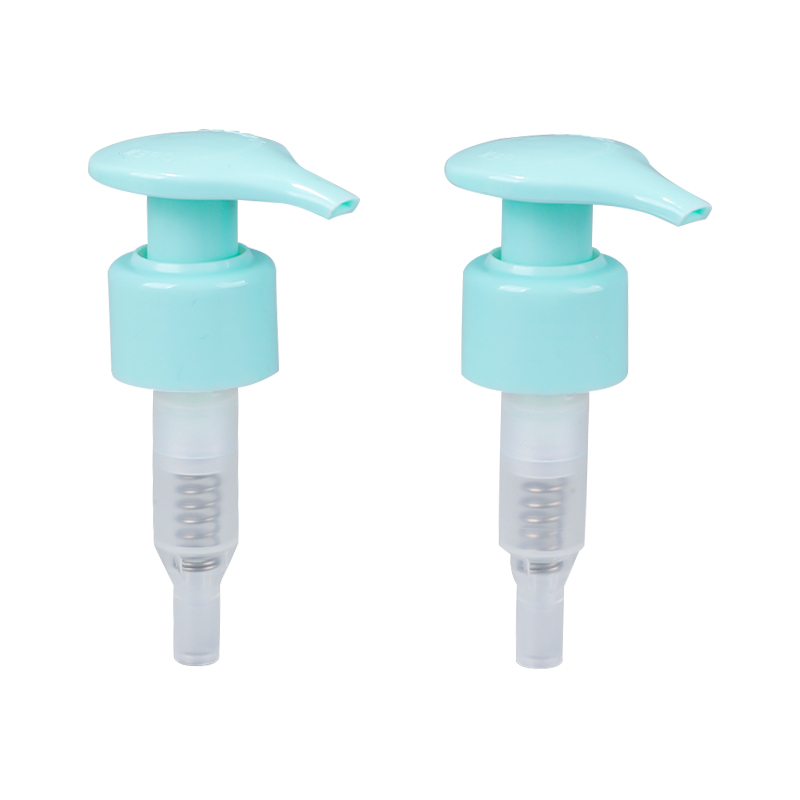
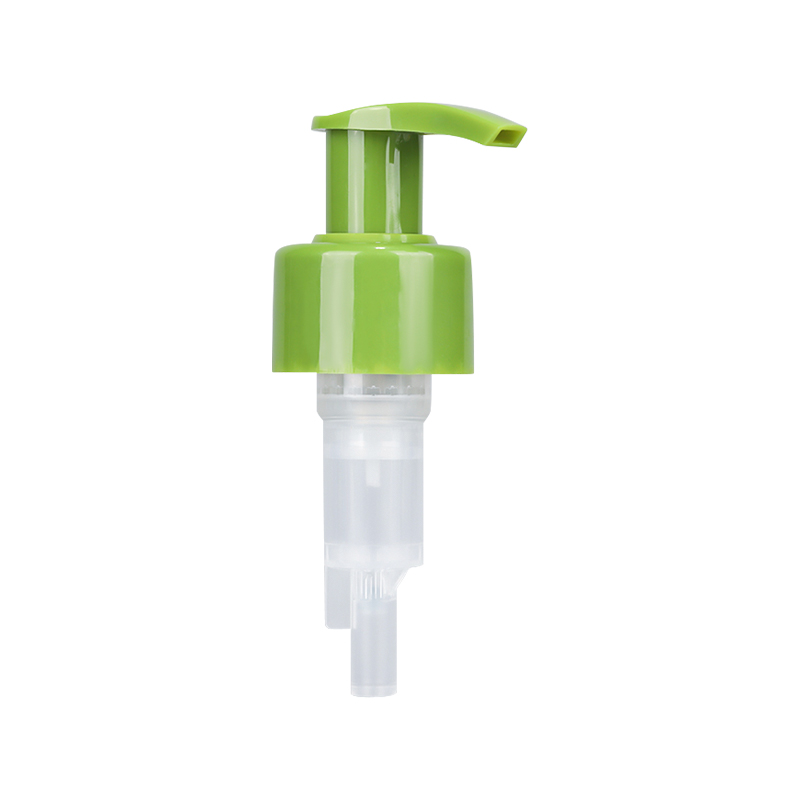
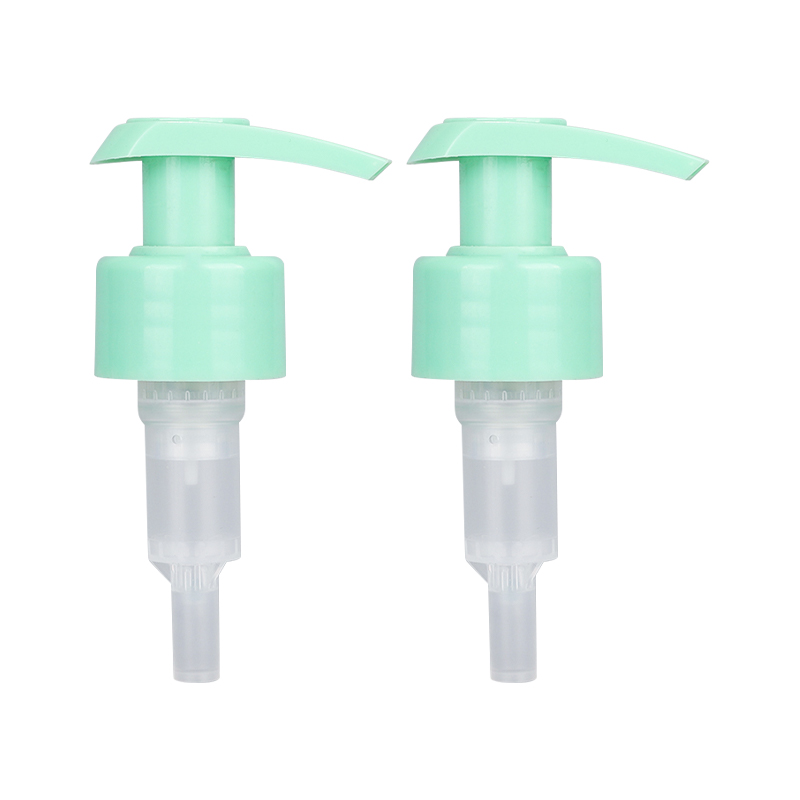
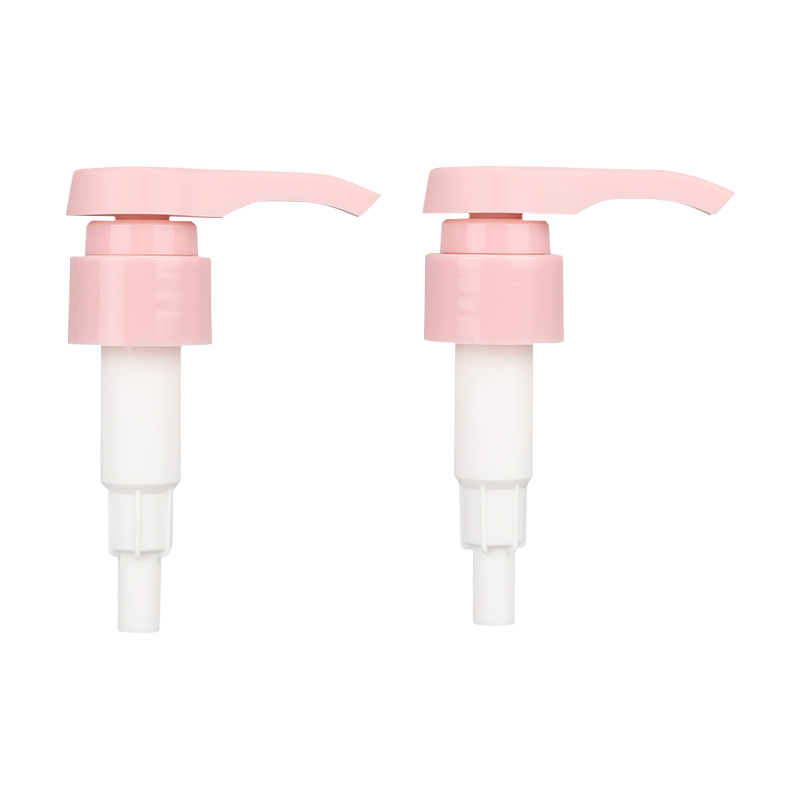
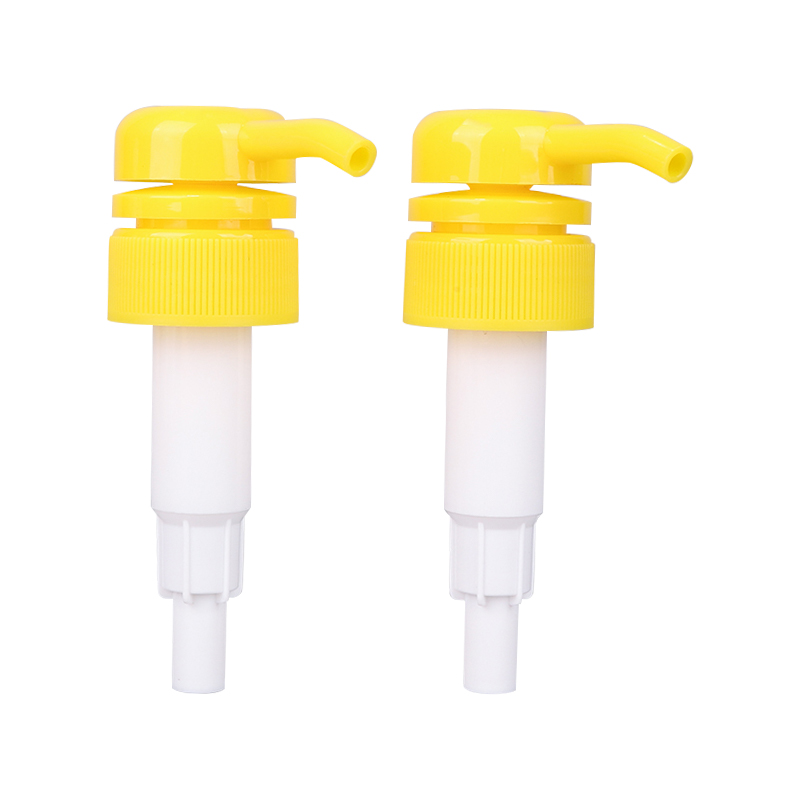
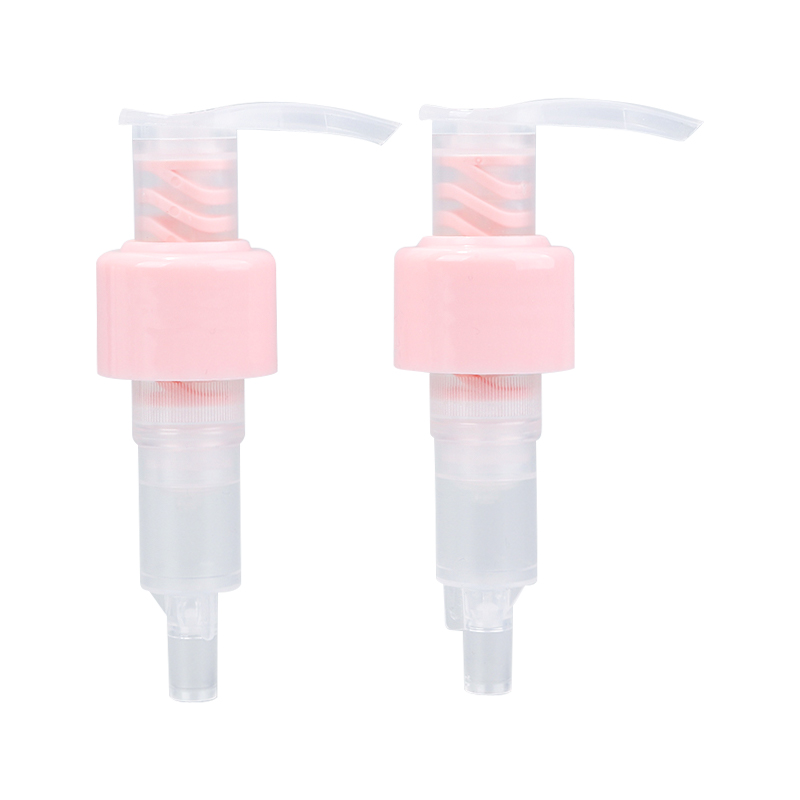
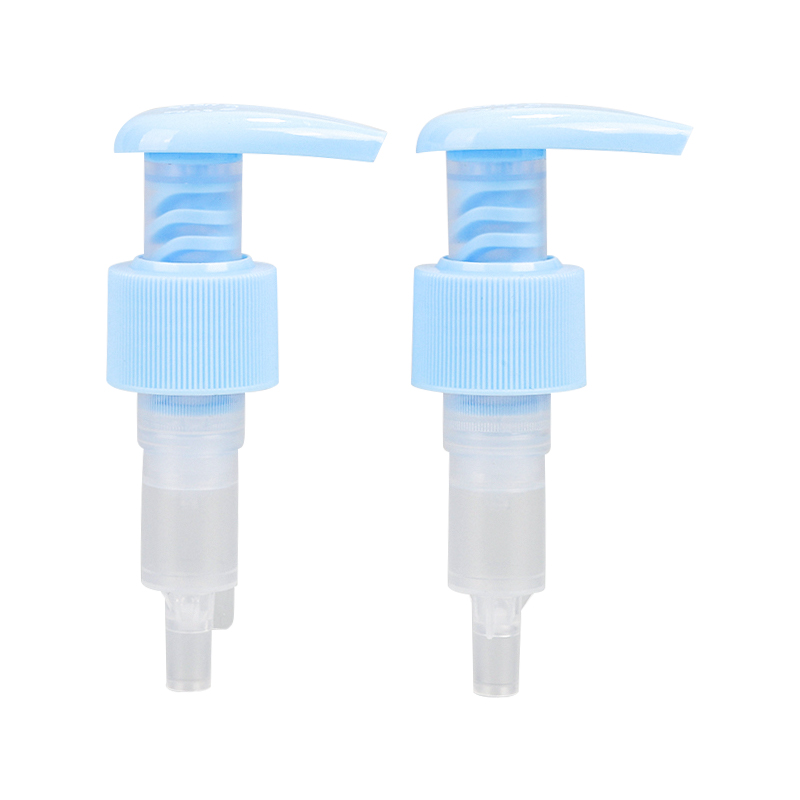
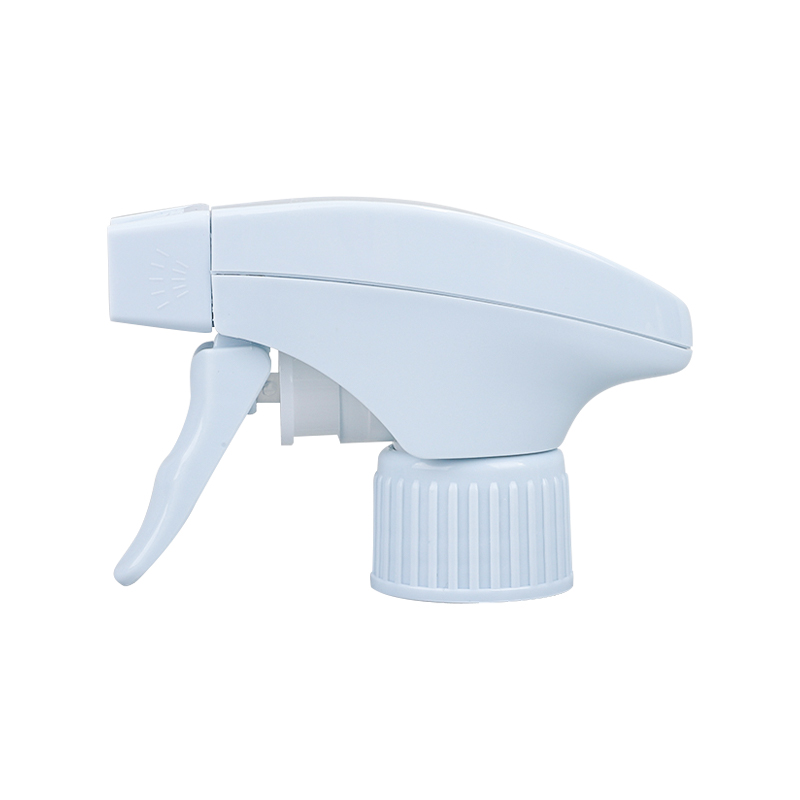
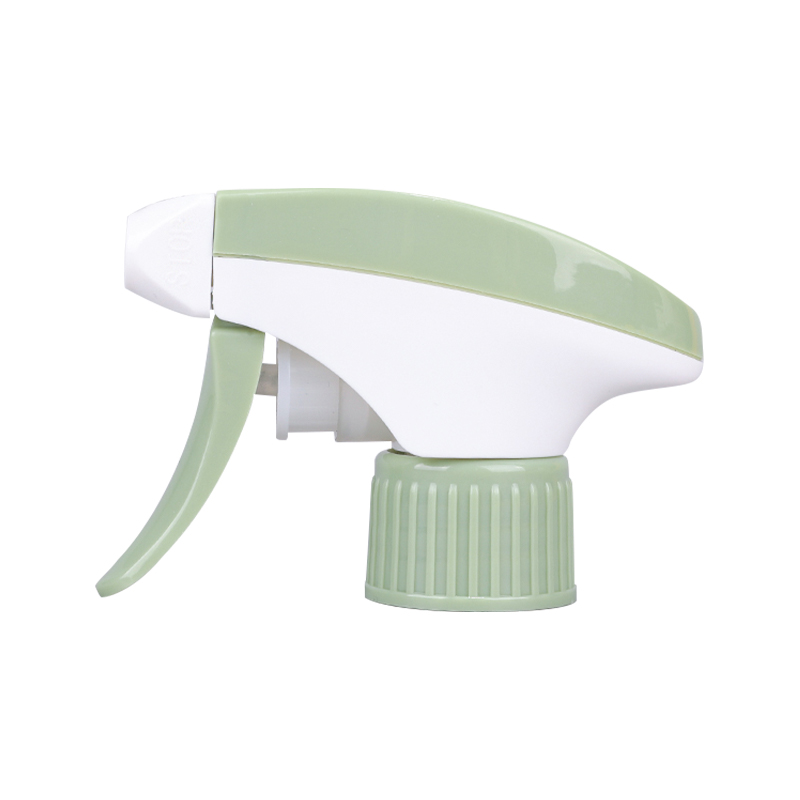
When choosing between a lotion pump dispenser and a standard trigger sprayer for body lotions, output volume is one of the most critical differences. A typical lotion pump dispenser delivers 0.5 ml to 2 ml per press, while a standard trigger sprayer outputs 0.7 ml to 1.5 ml per pull. On the surface, the numbers look similar — but the way each dispenses product, and how that affects your actual usage experience, is dramatically different. For thick body lotions, the lotion pump dispenser is almost always the superior choice.
How Output Volume Is Measured in Each Dispenser Type
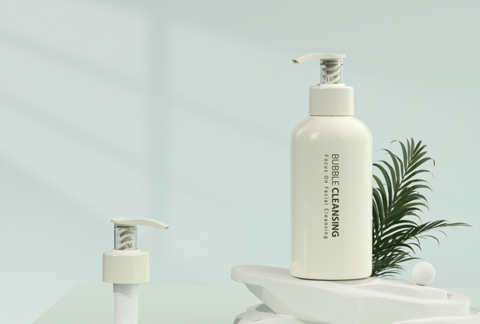
Output volume refers to the amount of product dispensed per actuation — one press or one pull. For a lotion pump dispenser, this is determined by the pump's dip tube diameter, spring tension, and chamber size. For a trigger sprayer, it depends on the nozzle orifice size and the trigger mechanism's stroke length.
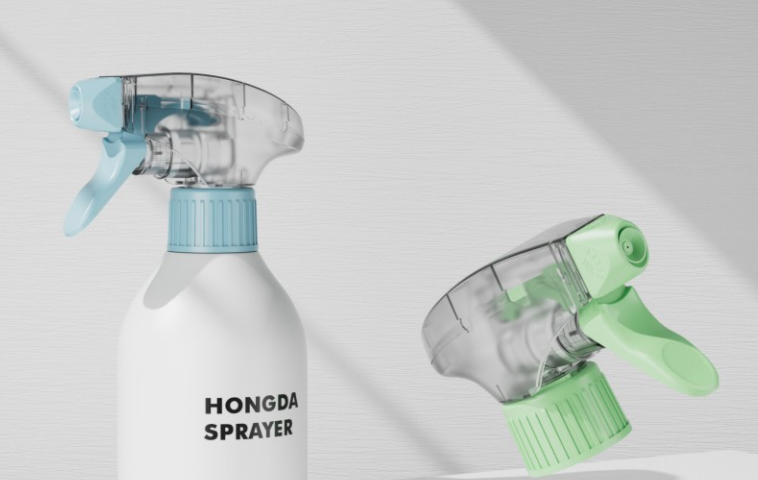
Most lotion pump dispensers are engineered specifically for viscous products. Their output is consistent and metered. Trigger sprayers, by contrast, were originally designed for thin, water-like liquids such as cleaning solutions or misting sprays. When used with thick body lotions, they frequently clog, splatter, or deliver inconsistent volumes.
Side-by-Side Output Volume Comparison
The table below outlines key output and performance differences between a lotion pump dispenser and a standard trigger sprayer when used with body lotions:
| Feature |
Lotion Pump Dispenser |
Standard Trigger Sprayer |
| Output per actuation |
0.5 ml – 2 ml |
0.7 ml – 1.5 ml |
| Consistency with thick lotion |
High |
Low |
| Clog risk with viscous formula |
Low |
High |
| Drip-free dispensing |
Yes (most models) |
Often no |
| One-handed use |
Yes |
Yes |
| Ideal product viscosity |
Medium to high |
Low to medium |
| Waste from over-dispensing |
Low |
Medium to high |
Table 1: Lotion Pump Dispenser vs. Standard Trigger Sprayer — Output & Performance Comparison
Why Output Volume Alone Does Not Tell the Full Story
Even if two dispensers output the same volume per actuation, the effective delivery can vary significantly. A trigger sprayer atomizes liquid into fine droplets or a stream. With thick body lotion, this often results in uneven coverage, product left on the nozzle, or splatter on surfaces. A lotion pump dispenser, on the other hand, delivers product in a controlled, concentrated dose directly into the palm.
This distinction matters in real-world use. For example, applying a 1 ml dose of body lotion from a lotion pump dispenser goes entirely onto your hand. The same 1 ml from a trigger sprayer may lose 10–20% to misting, dripping, or nozzle residue — especially with high-viscosity formulas.
Dosage Control: Where the Lotion Pump Dispenser Wins
One of the most underrated advantages of a lotion pump dispenser is its metered output per press. Most standard lotion pump dispensers are calibrated at the factory to dispense a fixed volume — commonly 1 ml or 1.5 ml — every single time. This makes it easy for users to dose accurately, avoid waste, and track how much product they are using.
Trigger sprayers do not typically offer this level of precision. The volume dispensed can change based on:
- How hard the user pulls the trigger
- The angle at which the bottle is held
- The viscosity of the lotion and its temperature
- How full or empty the bottle is
This variability can lead to users consistently over-applying lotion, which shortens product life and increases cost per use.
Viscosity Compatibility: A Key Factor Often Overlooked
Body lotions typically have a viscosity range of 3,000 to 15,000 centipoise (cP), depending on the formula. Standard trigger sprayers are designed for products under 500 cP — closer to water (1 cP) or light oils. Trying to pump a thick body lotion through a trigger sprayer puts excessive strain on the mechanism, often resulting in:
- Nozzle clogging after just a few uses
- Reduced output volume over time
- Premature wear of the trigger spring and valve
- Inconsistent spray patterns or complete blockage
Lotion pump dispensers are specifically engineered for these higher-viscosity products. Their wider dip tube diameter (typically 4–6 mm vs. 2–3 mm in trigger sprayers), combined with a stronger spring mechanism, ensures reliable performance across the full life of the product.
Practical Scenarios: When to Choose Each Dispenser
Understanding which dispenser suits your needs depends on the product type and use context. Here is a practical breakdown:
Choose a Lotion Pump Dispenser when:
- The product is a thick body lotion, cream, or gel
- You need precise, consistent dosing per use
- The dispenser will be used frequently in a bathroom or salon setting
- Minimizing product waste is a priority
- You want drip-free, clean dispensing
Choose a Trigger Sprayer when:
- The product is a lightweight body mist or toning spray
- Wide-area coverage is needed (e.g., full-body misting)
- The formula has a viscosity below 500 cP
- Exact dosing is not a critical requirement
Long-Term Cost Efficiency: Output Volume and Product Waste
From a cost-per-use perspective, the lotion pump dispenser offers a clear advantage. Consider a 300 ml bottle of body lotion used twice daily:
- With a lotion pump dispenser at 1.5 ml per press: ~200 uses per bottle
- With a trigger sprayer at a variable 2–3 ml per pull: ~100–150 uses per bottle
That difference represents up to 25–50% more product waste when using a trigger sprayer for the same body lotion. Over time, this adds up significantly — especially for premium skincare products.
The residue that builds up inside trigger sprayer nozzles when used with thick lotions can render the dispenser unusable before the bottle is even empty — a frustrating and wasteful outcome that is far less common with a quality lotion pump dispenser.
For body lotions specifically, the lotion pump dispenser is the clear winner in terms of output consistency, viscosity compatibility, dosage accuracy, and long-term efficiency. While a trigger sprayer may appear to offer similar output volumes on paper, its real-world performance with thick formulas falls short in nearly every practical measure. If you are packaging, purchasing, or using body lotion on a regular basis, investing in a well-engineered lotion pump dispenser will deliver better value, less waste, and a more satisfying user experience than a standard trigger sprayer.

 English
 русский
 Français
 Español
 italiano