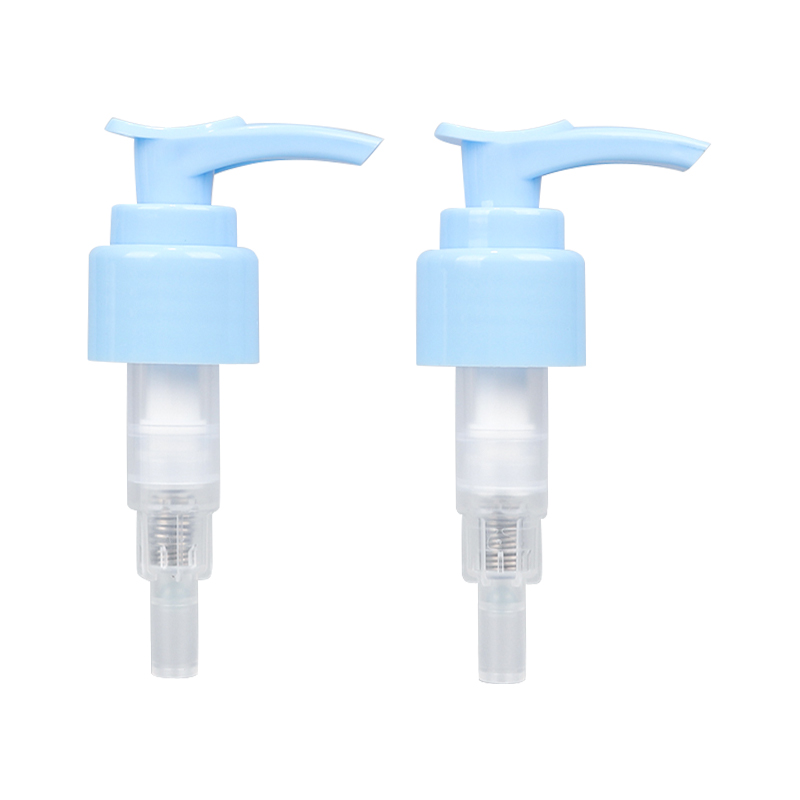
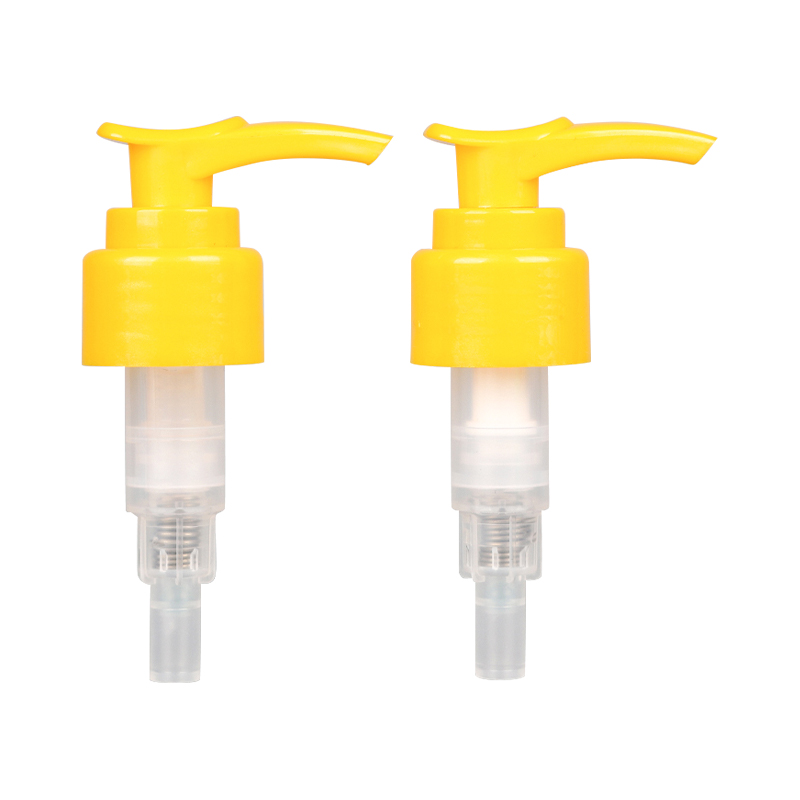
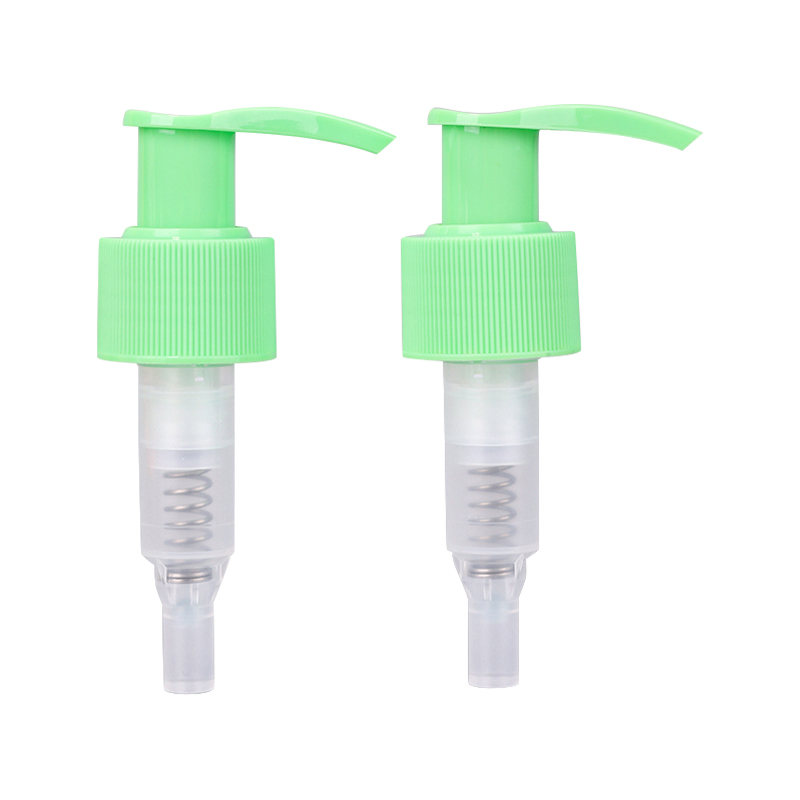
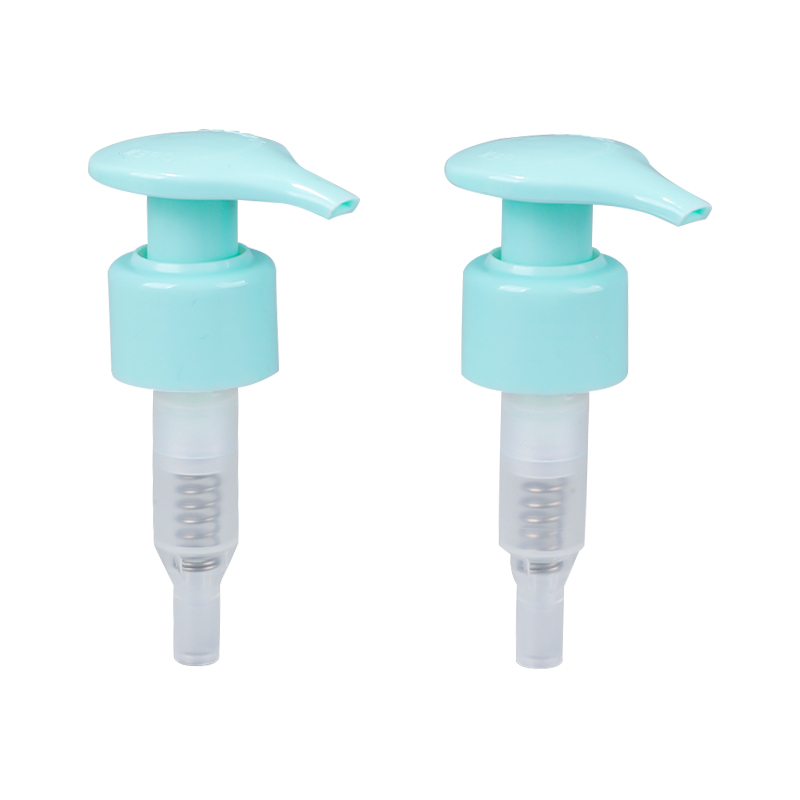
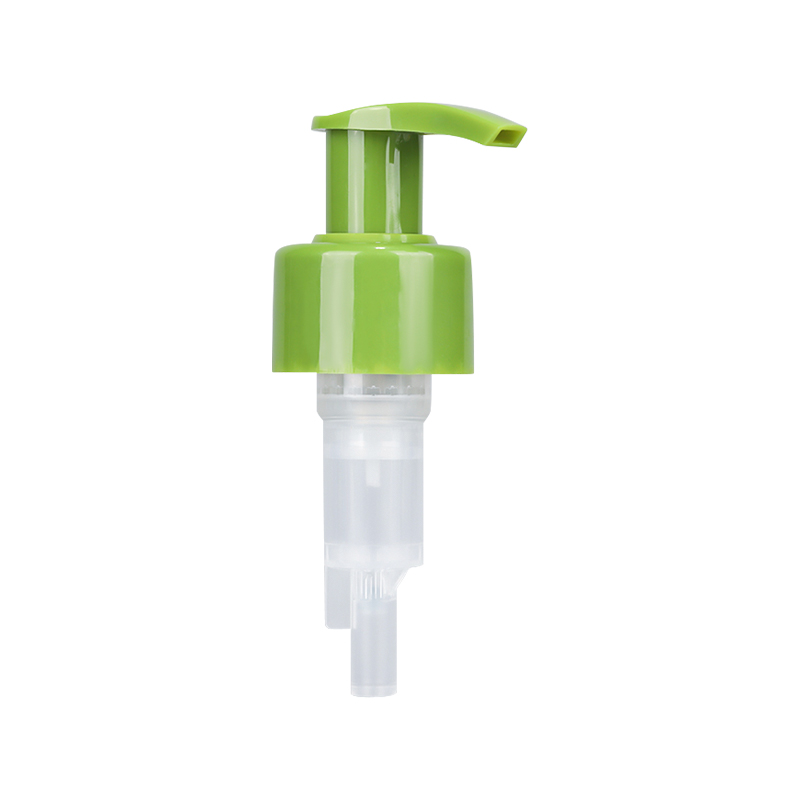
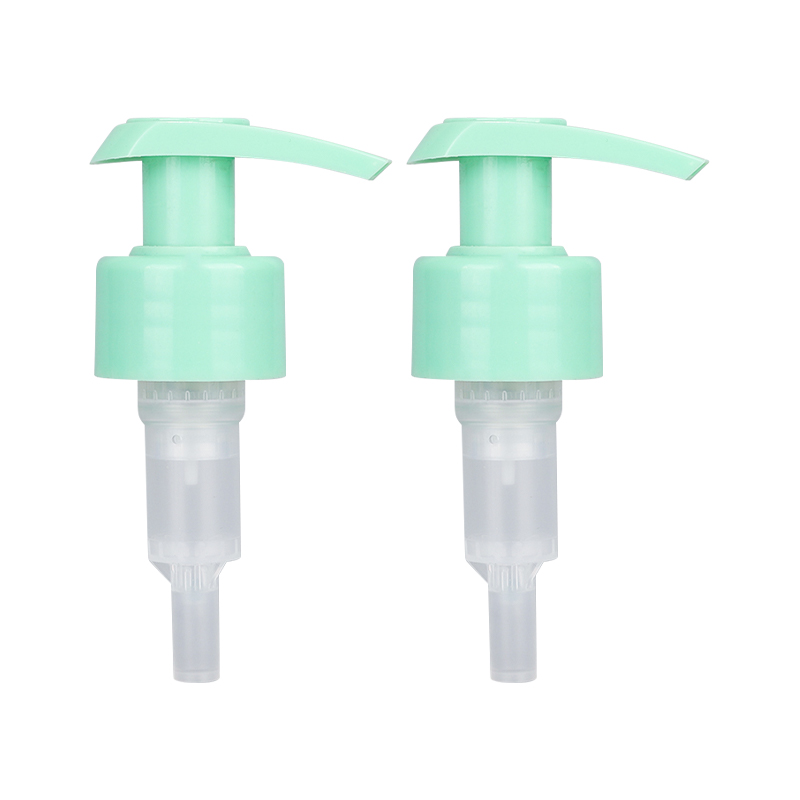
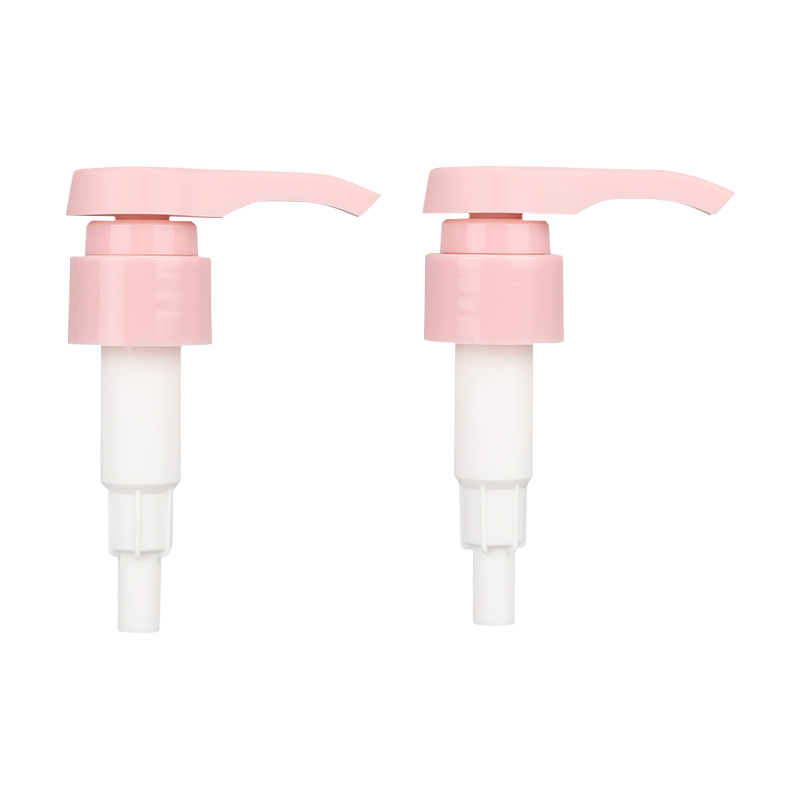
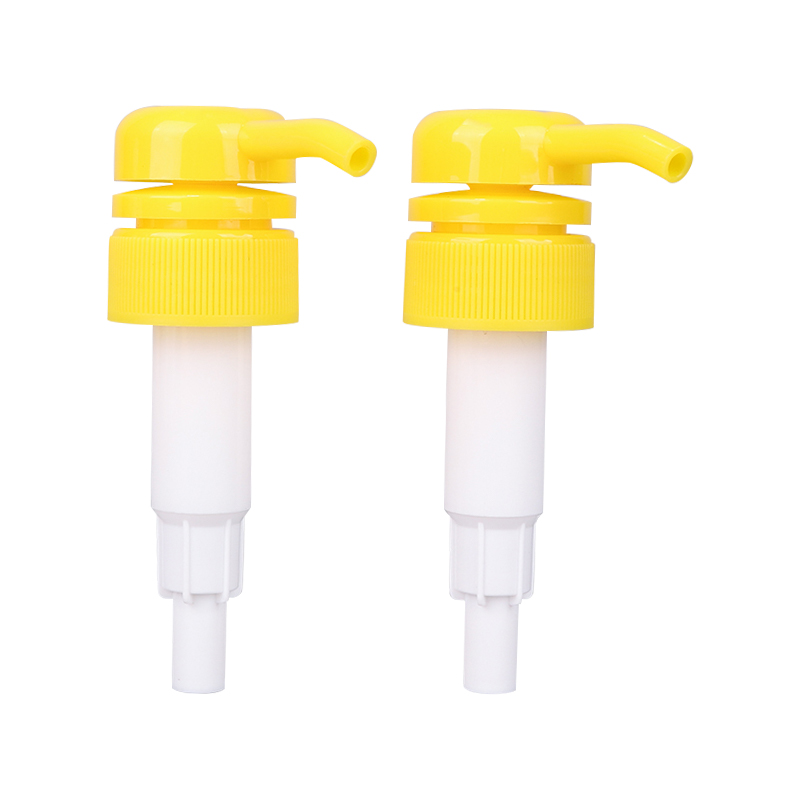
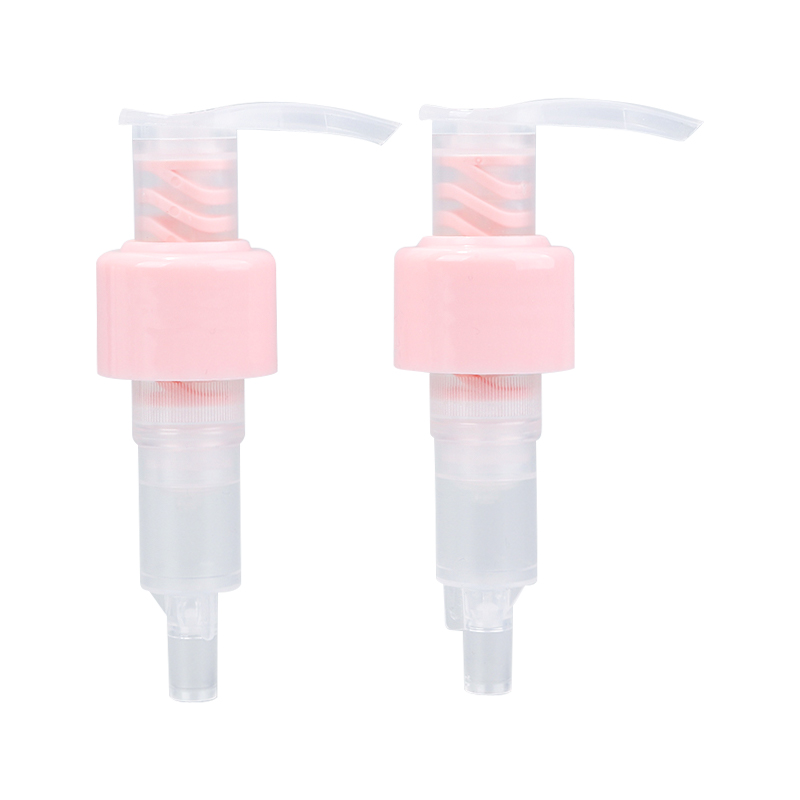
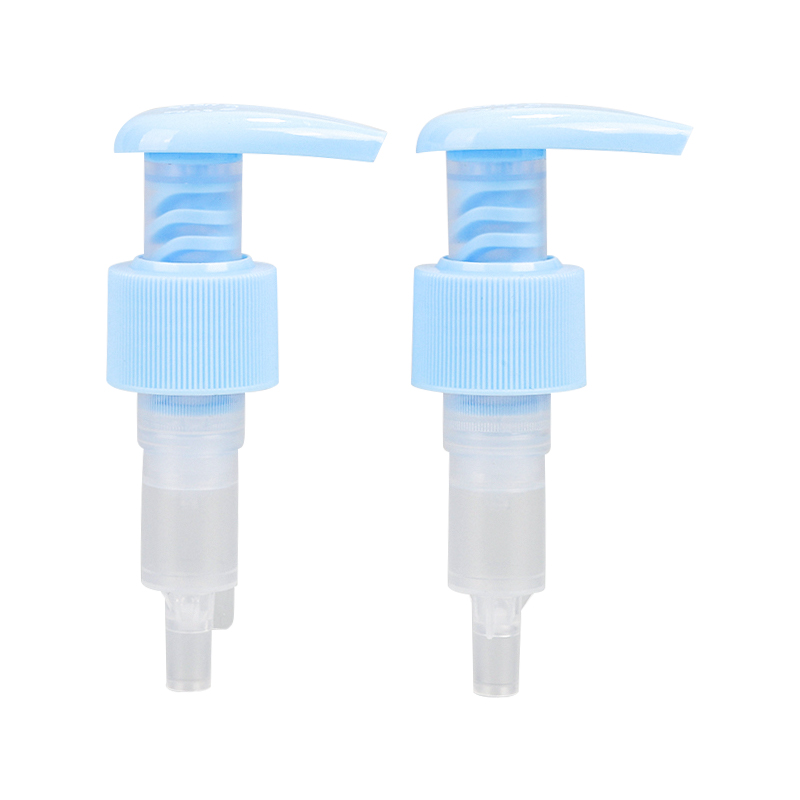
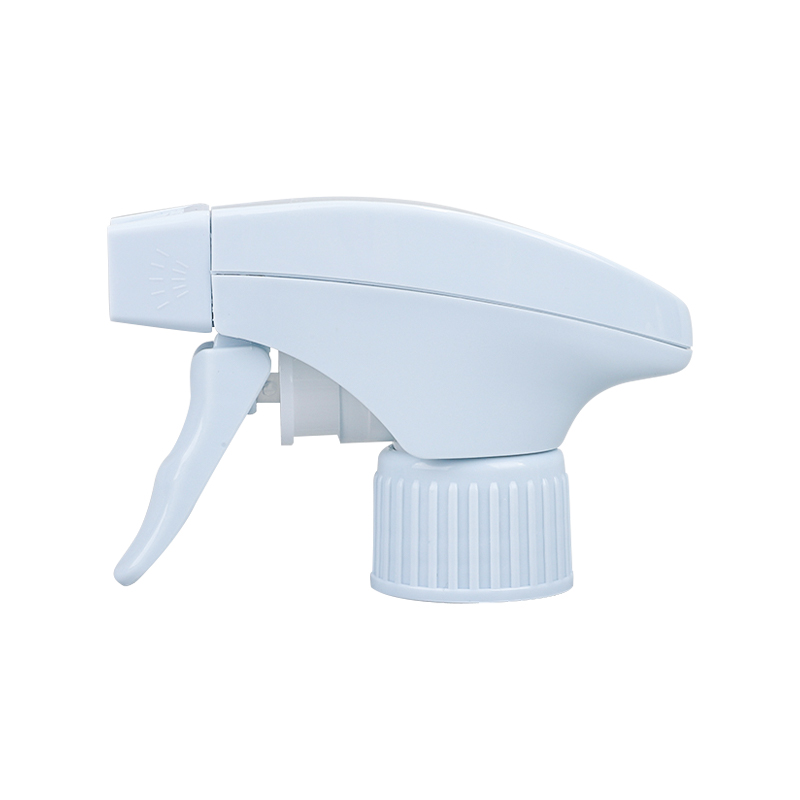
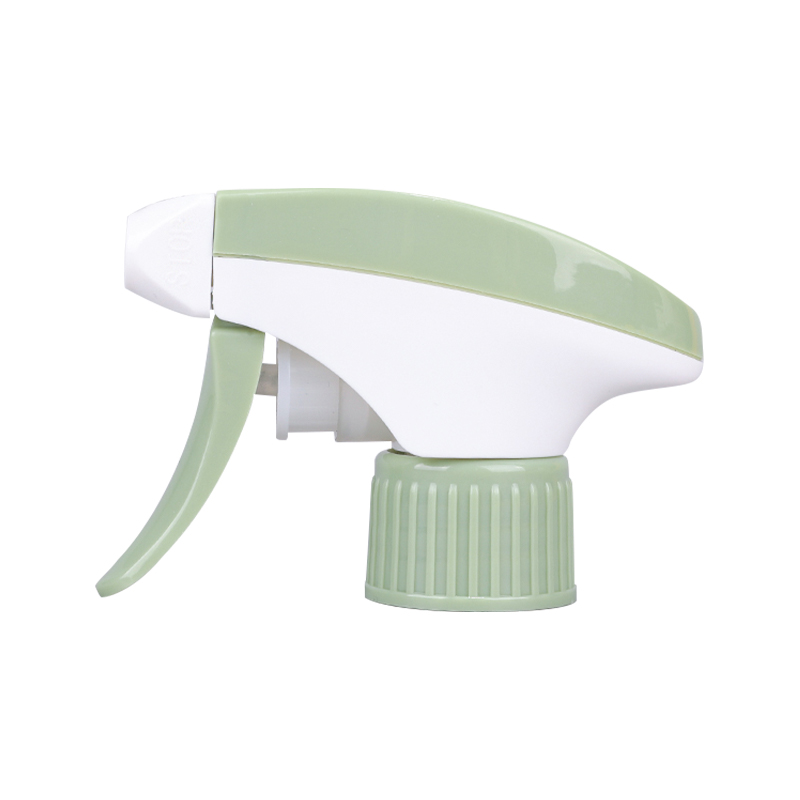
It depends on the materials used in the mist sprayer's internal components. Most standard mist sprayers are designed primarily for water-based liquids and can degrade when exposed to oil-based formulas over time. However, certain mist sprayers — specifically those built with chemical-resistant plastics, silicone seals, and stainless steel or brass pump mechanisms — can handle both types of liquids reliably without component breakdown. Understanding which internal parts are at risk, and what materials hold up best, is essential before using your mist sprayer with anything other than water.
Why Oil-Based Liquids Are Harder on Mist Sprayer Components
Water-based liquids are generally low-viscosity and chemically neutral, which places minimal stress on a mist sprayer's internal parts. Oil-based liquids, by contrast, present two distinct challenges: higher viscosity and chemical aggression toward certain plastics.
Oils — including carrier oils, essential oils, and petroleum-derived compounds — can interact with non-resistant plastics through a process called chemical permeation or swelling. When plastic polymers absorb oils, the material softens, loses dimensional stability, and may eventually crack or leak. For example, low-density polyethylene (LDPE) tubes commonly used in budget mist sprayers can swell by up to 15–20% in volume after prolonged contact with certain hydrocarbon-based oils.
Additionally, oil-based liquids are significantly more viscous than water. Pure water has a viscosity of approximately 1 mPa·s at 20°C, while carrier oils like jojoba or argan oil range from 30 to 90 mPa·s. This difference puts greater mechanical strain on the pump piston, dip tube, and nozzle of the mist sprayer, accelerating wear on components that were not engineered for such loads.
Internal Plastic Components Most Vulnerable to Degradation
A typical mist sprayer contains several plastic or elastomeric components that may degrade when exposed to oil-based liquids. Knowing which parts are most at risk helps you assess whether your specific mist sprayer is suitable for dual-use.
Dip Tube
The dip tube draws liquid from the bottom of the bottle up to the pump mechanism. Most entry-level mist sprayers use polypropylene (PP) or PVC dip tubes. While PP is reasonably resistant to mild oils, PVC can soften and deform with aromatic or acidic oils — particularly citrus-based essential oils — over periods as short as 4 to 6 weeks of regular use.
Pump Gaskets and O-Rings
Gaskets and O-rings create the pressure seal that allows the mist sprayer to function correctly. Standard rubber gaskets — especially those made from NBR (nitrile butadiene rubber) — can swell when exposed to non-polar solvents and certain oils. A damaged gasket results in air leaks, inconsistent spray output, and eventual pump failure. Silicone gaskets are significantly more resistant and are preferred for oil-compatible mist sprayers.
Pump Piston and Housing
The pump piston is typically made from polypropylene or polyacetal (POM). POM offers better oil resistance than PP and is a common material in higher-grade mist sprayers. However, in budget models using generic PP pistons, repeated contact with vegetable or mineral oils can cause surface crazing — fine surface cracks that eventually lead to pump failure.
Nozzle Orifice
The nozzle of a mist sprayer is precision-engineered to produce a fine mist at a specific particle size — typically 50 to 100 microns for cosmetic mist sprayers. Oil residue can accumulate and harden inside the nozzle orifice, progressively narrowing the spray aperture and altering the mist pattern. Nozzles made from stainless steel or high-grade POM resist this buildup far better than standard ABS plastic nozzles.
Which Mist Sprayer Materials Are Safe for Both Water-Based and Oil-Based Liquids?
If you need a mist sprayer that reliably handles both liquid types, the internal component materials matter more than the bottle itself. The following table summarizes the most common internal materials and their compatibility:
| Component |
Standard Material |
Water-Based |
Oil-Based |
Recommended Upgrade |
| Dip Tube |
PP / PVC |
Safe |
Moderate Risk |
HDPE or PTFE tube |
| Gasket / O-Ring |
NBR Rubber |
Safe |
High Risk |
Silicone gasket |
| Pump Piston |
PP |
Safe |
Moderate Risk |
POM (Polyacetal) |
| Nozzle |
ABS Plastic |
Safe |
Clogging Risk |
Stainless Steel |
| Pump Body |
PP / ABS |
Safe |
Moderate Risk |
Brass or Stainless Steel |
Table 1: Internal mist sprayer component materials and their compatibility with water-based vs. oil-based liquids.
Mist Sprayers Designed for Oil Compatibility: What to Look For
Not all mist sprayers are equal when it comes to oil-based liquids. If you plan to use your mist sprayer regularly with carrier oils, oil-based serums, or essential oil blends, look for the following specifications when purchasing:
- Silicone or PTFE gaskets — these materials resist swelling in the presence of oils and maintain a reliable pressure seal over time.
- Stainless steel or brass pump mechanisms — metal pump components are chemically inert against oils and provide consistent performance regardless of liquid viscosity.
- HDPE or PTFE dip tubes — these plastics have extremely low reactivity with oils, including aggressive aromatic or citrus-based essential oils.
- Borosilicate glass or HDPE bottles — the bottle itself should be non-reactive; glass is the gold standard for oil storage, followed by HDPE.
- Wider nozzle orifice (above 0.3 mm) — a slightly wider aperture reduces clogging risk when spraying viscous oil-based blends.
Brands specializing in aromatherapy or professional cosmetic packaging often label their mist sprayers explicitly as "oil-safe" or "suitable for essential oils," which serves as a reliable indicator that the internal components meet these standards.
Practical Tips for Using a Mist Sprayer with Oil-Based Liquids
Even with a compatible mist sprayer, proper usage habits extend the life of the internal components and maintain spray performance when working with oil-based liquids.
Dilute When Possible
Pure carrier oils have viscosities too high for most mist sprayer pumps to aerosolize effectively. Diluting oils with distilled water or alcohol to a ratio of no more than 30% oil content reduces viscosity significantly, improves spray particle distribution, and reduces stress on the pump mechanism.
Flush the Sprayer After Each Use
After using a mist sprayer with oil-based liquids, pump 5 to 10 strokes of clean water or isopropyl alcohol through the nozzle to flush residual oil from the dip tube, pump chamber, and nozzle orifice. This prevents oxidized oil buildup — a common cause of nozzle clogging in mist sprayers used for facial oils or body sprays.
Store Upright and Away from Heat
Oil-based liquids stored in a mist sprayer at elevated temperatures — above 35°C — accelerate chemical interaction between the oil and any borderline-compatible plastic components. Storing the mist sprayer upright in a cool, dry environment also prevents oil from pooling around the gasket and degrading the seal.
Replace Gaskets Annually for Heavy Users
If you use your mist sprayer daily with oil-based liquids, plan to inspect and replace the internal gaskets every 10 to 12 months. Even silicone gaskets experience gradual compression set over time, and replacing them proactively prevents unexpected leaks or spray inconsistencies.
To put the material risk in perspective, consider the typical lifespan difference between using a standard mist sprayer for water-based versus oil-based applications:
- A standard mist sprayer used exclusively with water-based liquids may last 18 to 36 months with normal daily use before pump performance degrades.
- The same mist sprayer used with undiluted essential oils or carrier oils may begin showing gasket swelling or nozzle clogging within 4 to 8 weeks.
- An oil-rated mist sprayer with silicone seals, a stainless steel pump, and HDPE or glass bottle can maintain reliable performance with oil-based liquids for 12 to 24 months or longer under similar conditions.
The takeaway is clear: the mist sprayer's internal material specifications are the single most important factor determining whether it can safely and durably handle both water-based and oil-based liquids. Always verify component materials before using any oil-based formula in a mist sprayer not specifically rated for such use.

 English
 русский
 Français
 Español
 italiano