When comparing output consistency between a standard plastic trigger sprayer and a continuous-spray trigger sprayer over a long session, the standard plastic trigger sprayer delivers more controlled, on-demand output per stroke, while the continuous-spray model offers a steadier, uninterrupted flow — but at the cost of user fatigue and mechanical complexity. For most professional and household applications, the standard plastic trigger sprayer provides sufficient consistency when properly maintained and matched to the right liquid viscosity.
Understanding How Each Sprayer Delivers Output
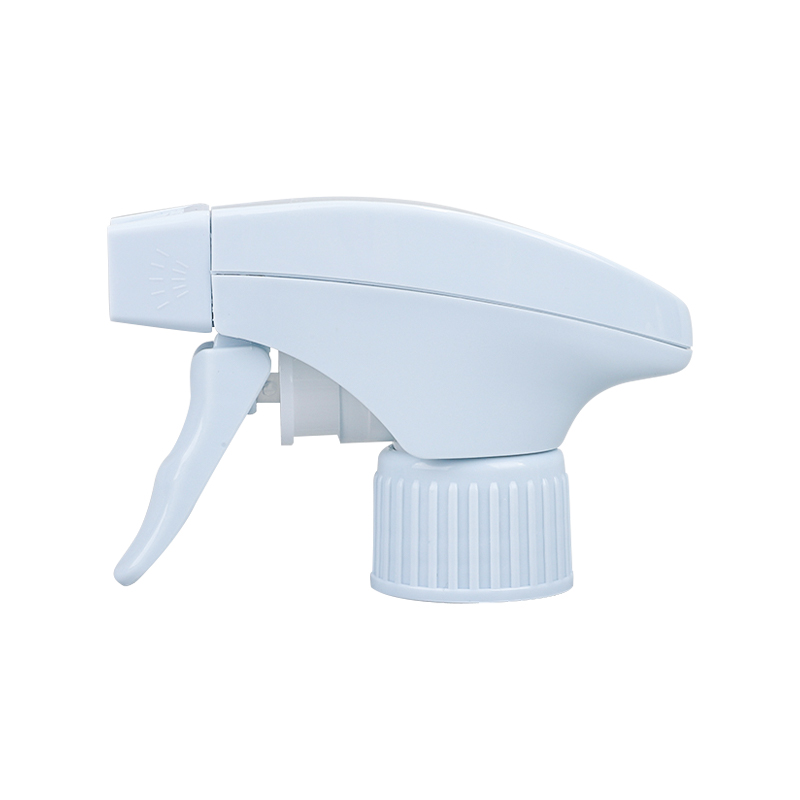
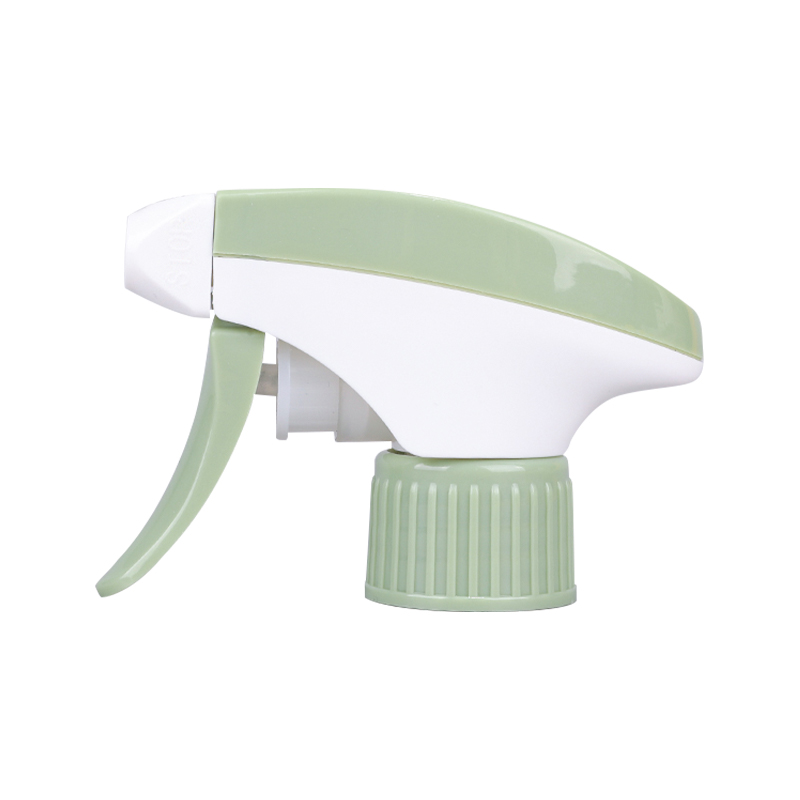
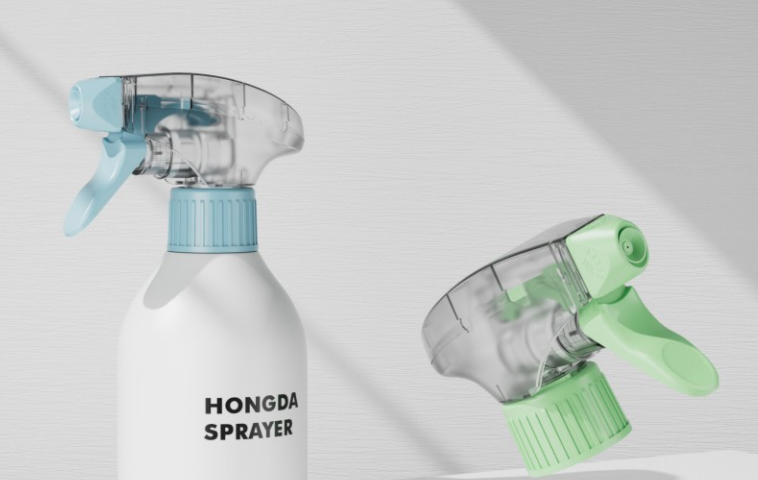
A standard plastic trigger sprayer operates on a piston-and-valve mechanism. Each pull of the trigger draws liquid from the bottle through a dip tube, pressurizes it within a small chamber, and expels it through the nozzle. The output per stroke is typically between 0.8ml and 1.5ml, depending on the model and nozzle setting.
A continuous-spray trigger sprayer, by contrast, uses a ratcheting or accumulator mechanism that builds pressure internally, allowing liquid to spray as long as the trigger is held. This removes the "pulse" effect of individual strokes and produces a more visually uniform mist or stream.
The core difference lies in how pressure is generated and sustained. Standard models reset with each trigger pull; continuous models maintain a pressurized reserve.
Output Consistency Over Extended Use: Side-by-Side Performance
When used over a session lasting 15 to 30 minutes — such as cleaning a large surface, applying pesticides, or misting plants — output behavior diverges noticeably between the two types.
Table 1: Performance comparison between standard and continuous-spray plastic trigger sprayers over a long session
| Feature |
Standard Plastic Trigger Sprayer |
Continuous-Spray Trigger Sprayer |
| Output per actuation |
0.8–1.5ml per stroke |
Continuous flow while held |
| Spray uniformity |
Pulsed; slight variation between strokes |
Steady; minimal variation |
| Hand fatigue (30-min session) |
Moderate (repeated trigger pulls) |
Lower (trigger held, not pumped) |
| Liquid waste risk |
Low (precise control) |
Higher (harder to stop instantly) |
| Mechanical durability |
High (simpler design) |
Moderate (more moving parts) |
| Typical rated cycle life |
150,000–250,000 strokes |
80,000–150,000 cycles |
| Unit cost (typical range) |
$0.30–$1.50 |
$1.50–$4.00 |
In practical terms, for applications like spot-cleaning or targeted surface treatment, the standard plastic trigger sprayer's pulsed output is an advantage — it gives the user precise, metered control. For broad-area coverage such as misting a greenhouse or applying a cleaning solution across a warehouse floor, the continuous-spray model reduces repetitive strain and improves uniformity.
Factors That Affect Output Consistency in Standard Plastic Trigger Sprayers
Even within the standard category, output consistency across a long session can be influenced by several variables:
Liquid Level in the Bottle
As the bottle empties, the dip tube may begin drawing in air along with liquid, especially if the bottle is tilted. Most dip tubes are designed to reach near the bottom of the bottle, but below 10–15% fill level, users may notice weaker output or sputtering. This is a consideration for mini trigger spray applications where bottle capacity is small — typically 50ml to 150ml — meaning the effective spray window before refilling is shorter.
Liquid Viscosity and Chemical Compatibility
Thicker liquids — such as diluted fertilizers or gel-based cleaning solutions — increase internal resistance in the piston chamber. Over a long session, this can gradually reduce per-stroke output by up to 15–20% compared to water-thin liquids. Ensuring the plastic trigger sprayer's internal components are rated for the liquid being used (PP, PE, or Viton-sealed models for solvents) maintains consistent output.
Nozzle Clogging
Mineral deposits, dried residue, or particulate matter in the liquid can clog the orifice of the nozzle. Standard nozzle orifice diameters range from 0.3mm to 0.8mm. Narrower settings are more prone to blockage during extended sessions. Rinsing the nozzle with clean water after every 20–30 minutes of continuous use is recommended to maintain consistent spray output.
Trigger Spring Fatigue
In lower-cost models, the return spring in the trigger mechanism may lose tension after prolonged use within a single session. This reduces the speed at which the piston resets between strokes, causing a slight delay and minor volume inconsistency. Higher-grade plastic trigger sprayers — particularly those rated for 200,000+ cycles — use stainless steel or reinforced polymer springs that resist fatigue more effectively.
Where Standard Plastic Trigger Sprayers Outperform Continuous-Spray Models
Despite the continuous-spray model's advantage in flow uniformity, standard plastic trigger sprayers hold several practical advantages for most users:
- Precise liquid metering: Each trigger pull delivers a defined volume, reducing waste. This is especially valuable for expensive concentrates or chemical sprays where over-application is costly.
- Lower unit cost and wider availability: Standard plastic trigger spray bottles are available at a fraction of the cost of continuous-spray models, making them ideal for high-volume or disposable-use applications.
- Simpler maintenance: Fewer moving parts mean fewer failure points. Standard models can typically be disassembled, rinsed, and reassembled in under two minutes.
- Better compatibility with small containers: Mini trigger spray formats — compact bottles used in personal care, travel, or laboratory settings — almost exclusively use standard trigger mechanisms due to size and weight constraints.
- Inverted and angled use: Many standard models support horizontal or inverted spraying, a feature not universally available on continuous-spray designs.
Practical Recommendations Based on Session Length and Use Case
Choosing between a standard and continuous-spray model should be driven by the nature of the task rather than a general preference for uniformity:
Short to Medium Sessions (Under 15 Minutes)
For tasks like wiping down a kitchen counter, treating a small garden area, or spot-cleaning upholstery, a standard plastic trigger sprayer is fully adequate. Output consistency across a 10–15 minute session is reliably stable in any quality model. Plastic trigger spray bottles in the 500ml to 750ml range are the most practical choice for these tasks.
Long Sessions (15–60 Minutes or More)
For extended tasks such as applying disinfectant across a large facility or misting a plant nursery, a continuous-spray model reduces cumulative trigger-pull fatigue. However, if a standard plastic trigger sprayer is preferred — for cost or compatibility reasons — selecting an ergonomic model with a wide, cushioned trigger guard and a high cycle-life rating (200,000+ strokes) will significantly reduce fatigue and maintain output consistency throughout the session.
Specialized or Precision Applications
For tasks requiring controlled dosing — such as applying herbicide to specific weeds, dispensing cleaning solution onto delicate surfaces, or pharmaceutical or cosmetic applications — the standard plastic trigger sprayer remains the superior choice. The pulsed delivery allows the user to stop instantly and target precisely, which continuous-spray models cannot replicate as effectively.
Key Specifications to Prioritize When Selecting a Plastic Trigger Sprayer for Long Sessions
If output consistency over extended use is a priority, the following specifications should guide your selection:
- Cycle life rating: Choose models rated at a minimum of 150,000 strokes; commercial-grade models reach 250,000 or more.
- Piston material: Look for HDPE or PP pistons with EPDM or Viton seals for chemical resistance and long-term sealing integrity.
- Output volume per stroke: Confirm the ml-per-actuation rating matches your application — higher volume per stroke means fewer pulls for the same coverage area.
- Nozzle adjustability: A multi-setting nozzle (mist to stream) allows adaptation mid-session without changing sprayers.
- Ergonomic trigger design: A wide trigger with a low actuation force (ideally under 15N) reduces hand fatigue during long sessions.
- Dip tube length compatibility: Ensure the dip tube reaches within 5mm of the bottle base to maximize usable liquid and maintain consistent output as the bottle empties.
Whether selecting standard plastic trigger spray bottles for everyday use or evaluating continuous-spray alternatives for high-volume professional tasks, understanding these specifications ensures that output remains consistent from the first stroke to the last drop.

 English
 русский
 Français
 Español
 italiano