-
Airless Pump Mechanism:
The Cosmetic Pump Dispenser often incorporates an advanced airless pump mechanism specifically engineered to prevent air from entering the container during the dispensing process. Unlike conventional packaging systems that allow air to re-enter the container after each use, the airless design operates through a vacuum or piston-driven system that pushes the product upward as it is dispensed. This mechanism eliminates the need for air intake to balance internal pressure, thereby significantly reducing oxygen exposure to the formulation. Oxygen exposure is one of the primary causes of oxidation in cosmetic products, particularly those containing active ingredients such as vitamin C, retinol, peptides, and botanical extracts. By maintaining a sealed internal environment, the airless system preserves the chemical stability, texture, color, and fragrance of the product over time. Additionally, the absence of air contact minimizes microbial growth, extends product shelf life, and ensures consistent performance throughout the entire usage period, even when the container is nearly empty.
-
Sealed Valve and No-Return Design:
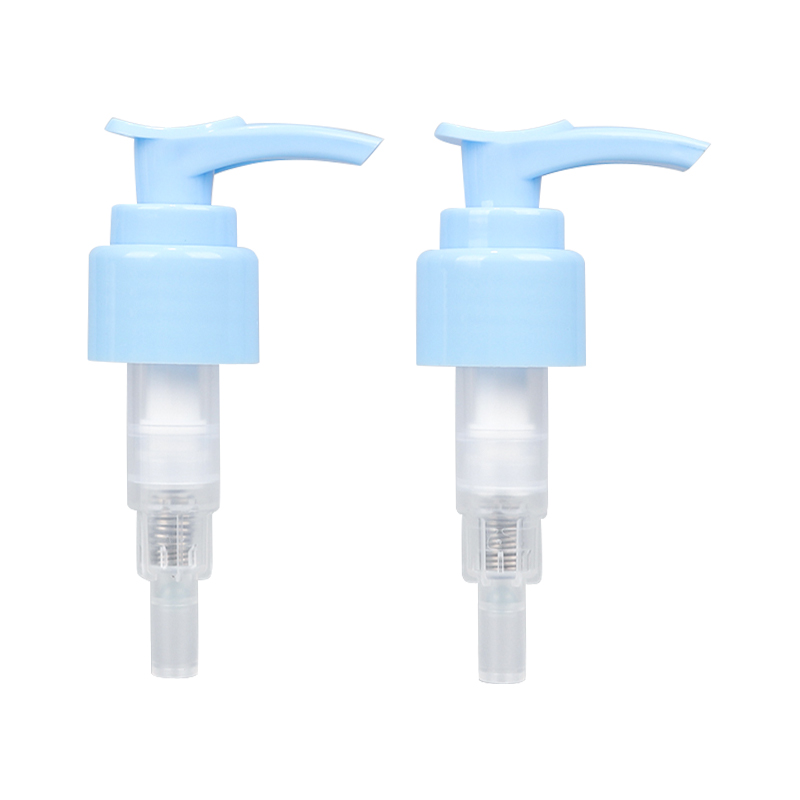
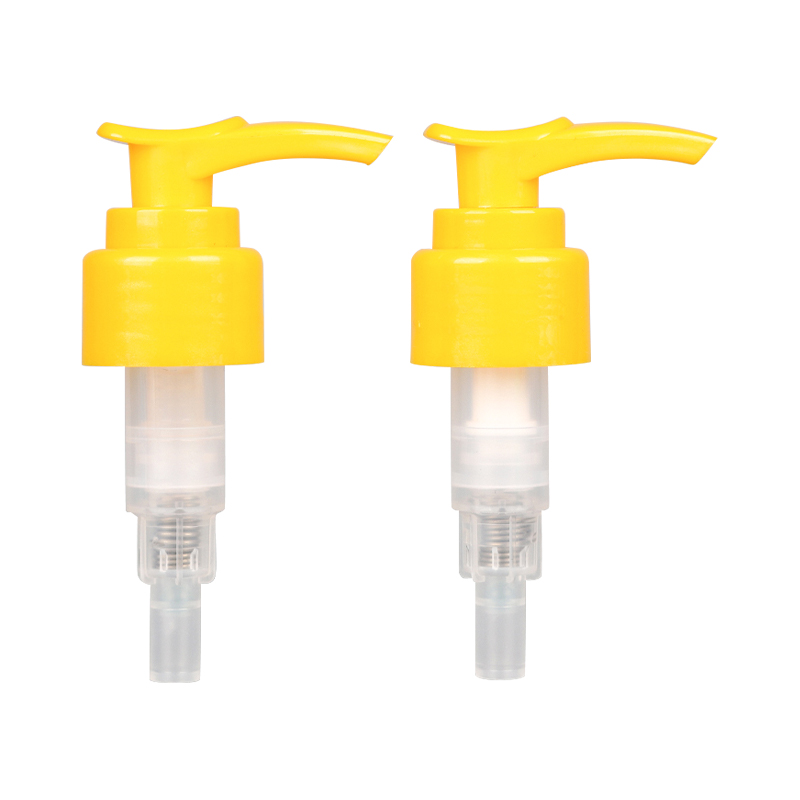
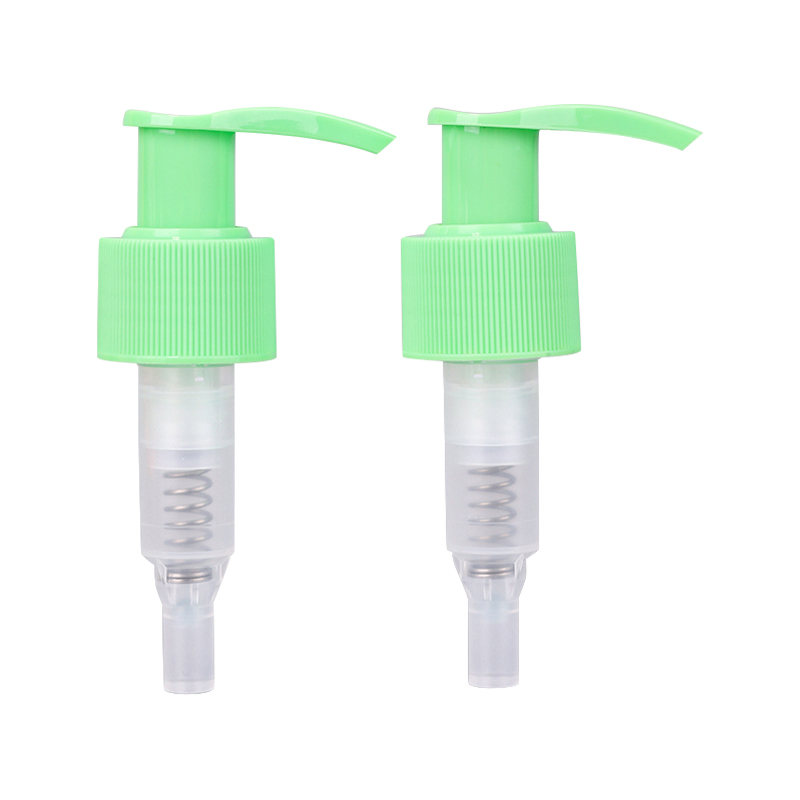
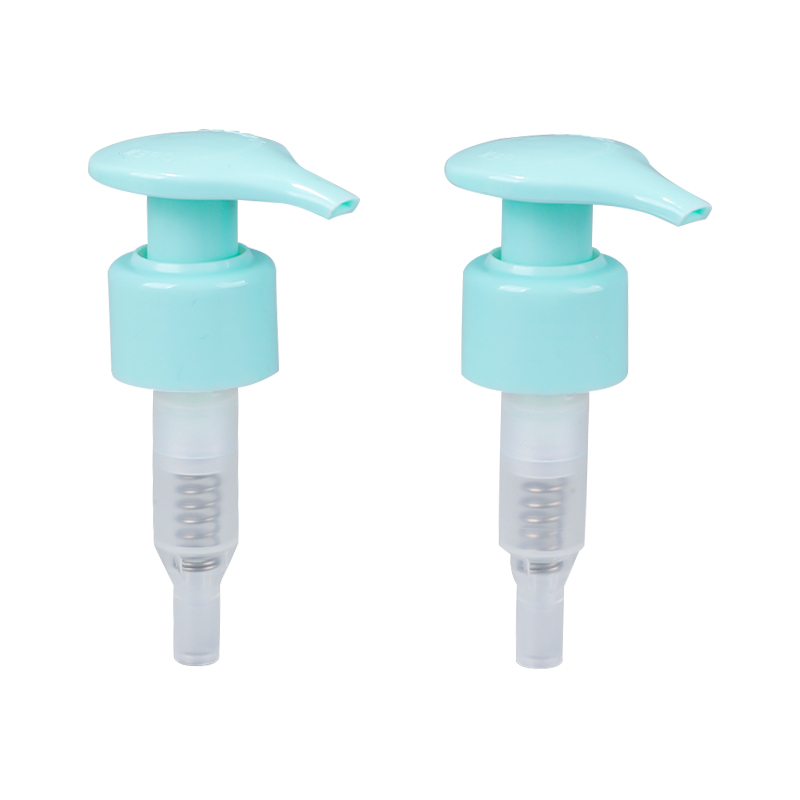
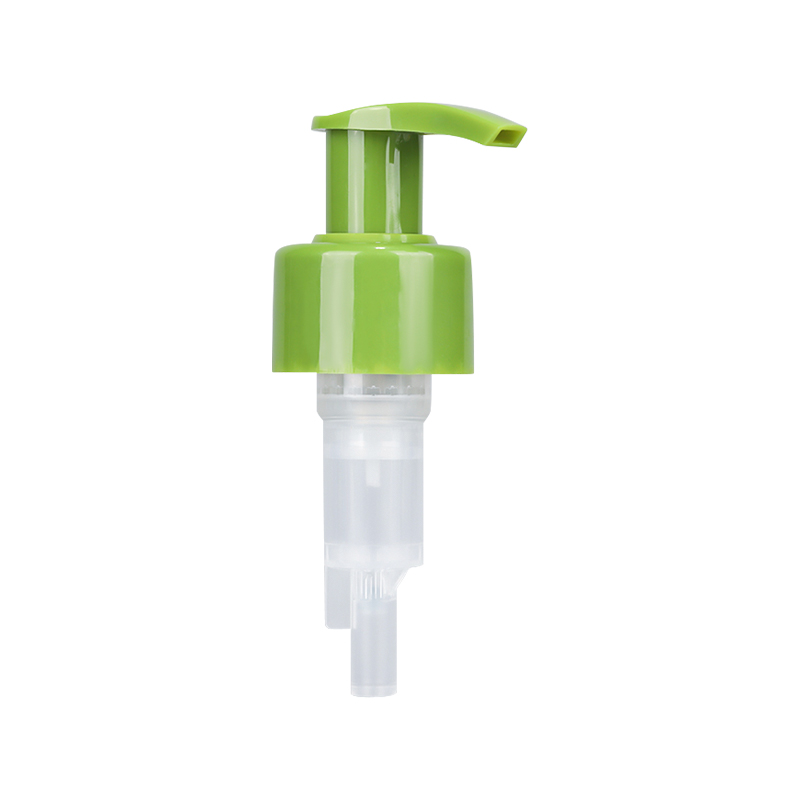
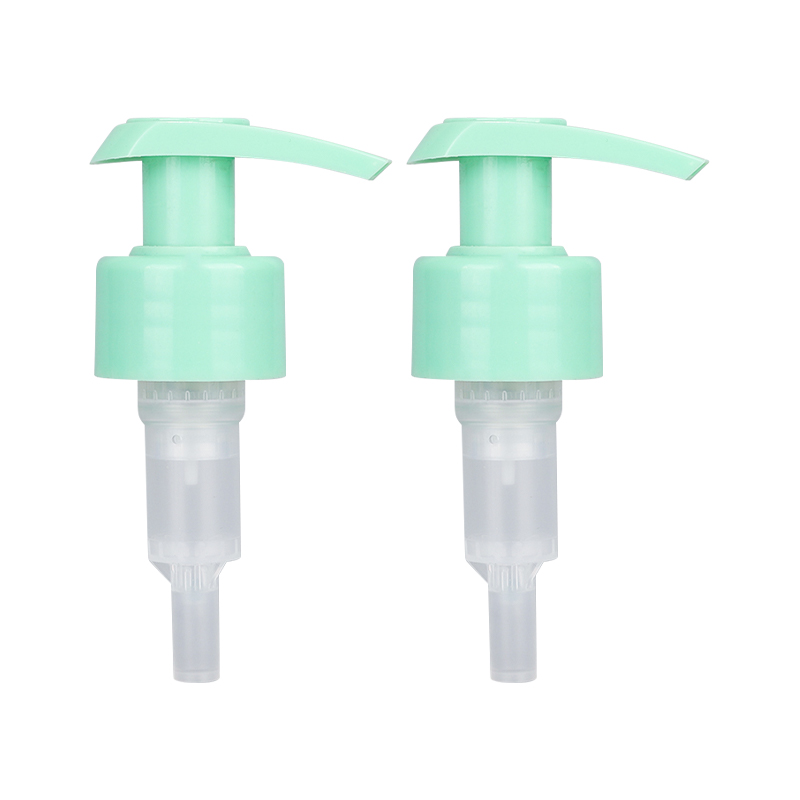
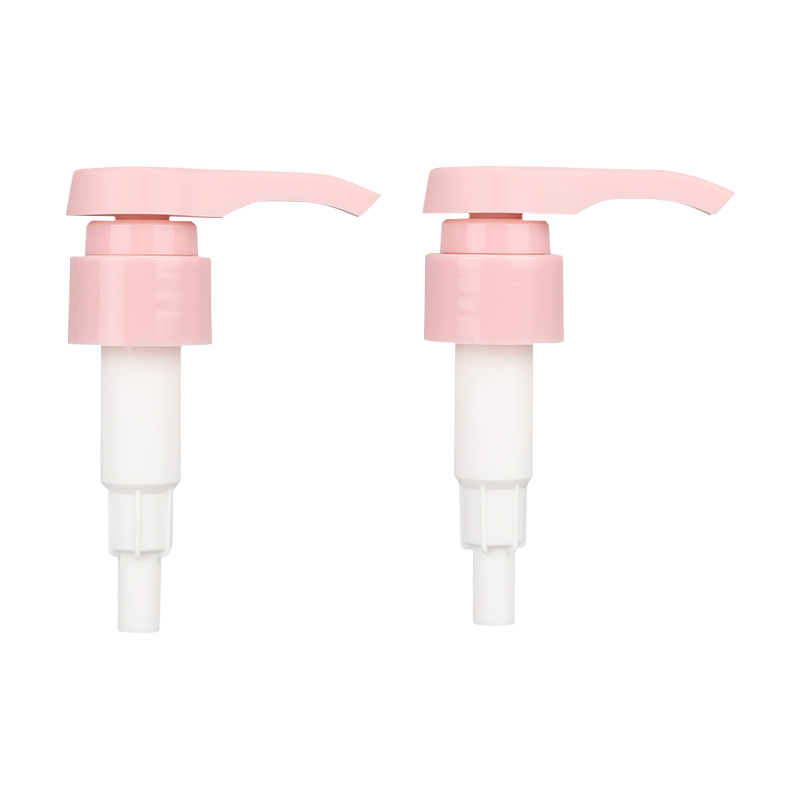
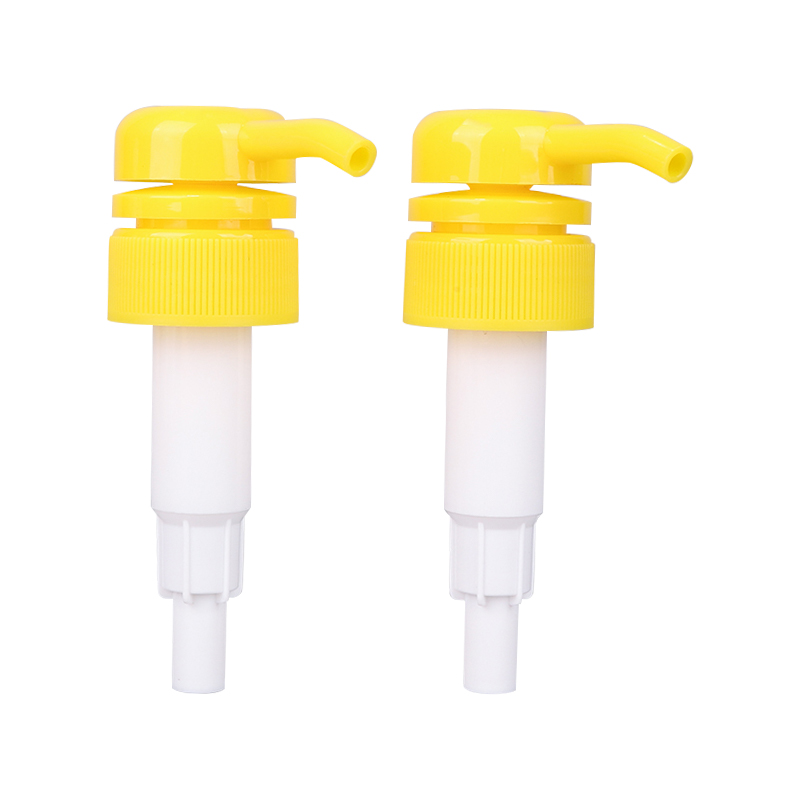
A critical feature of the Cosmetic Pump Dispenser is its sealed valve and no-return mechanism, which ensures one-way product flow during dispensing. When the pump actuator is pressed, the internal valve opens to release a controlled amount of product, and immediately closes once the pressure is released. This rapid sealing action prevents external air, microorganisms, dust particles, or other environmental contaminants from flowing back into the container. The no-return design is particularly important in maintaining product hygiene, as repeated exposure to external elements can compromise formulation stability and introduce bacterial contamination. The precision engineering of the valve system also ensures consistent dispensing performance while maintaining an airtight seal inside the container. This design is especially beneficial for preservative-sensitive formulations or products intended for sensitive skin applications, as it helps maintain a sterile environment and protects the product from degradation caused by environmental exposure.
-
Minimal Exposure of Product to External Environment:
The structural design of the Cosmetic Pump Dispenser minimizes the exposure of the product to external environmental conditions by ensuring that only the dispensed portion comes into contact with air or external surfaces. The narrow dispensing nozzle and enclosed delivery pathway reduce the exposed surface area of the formulation during use, preventing unnecessary contact with contaminants. This controlled dispensing process ensures that the remaining product inside the container remains sealed and protected from airborne particles, humidity, and temperature fluctuations. By limiting the interaction between the bulk product and the surrounding environment, the dispenser significantly reduces the likelihood of microbial contamination and oxidative reactions. This feature is particularly important for high-performance skincare formulations, which require stable conditions to maintain their efficacy and safety throughout their intended shelf life.
-
Opaque or UV-Protective Materials:
Many Cosmetic Pump Dispensers are manufactured using opaque or ultraviolet (UV)-protective materials that shield the product from light exposure, which is another major factor contributing to oxidation and chemical degradation. Light, especially UV radiation, can trigger photochemical reactions that break down sensitive active ingredients, alter the product’s formulation, and reduce its effectiveness. To address this issue, manufacturers often use UV-resistant plastics, tinted materials, or multilayer barrier packaging that blocks or filters harmful light wavelengths. This protective design ensures that light-sensitive ingredients, such as antioxidants, natural extracts, and essential oils, remain stable and effective during storage and use. The incorporation of protective materials not only enhances product longevity but also ensures consistent product performance by preserving the integrity of the formulation under varying environmental conditions.
-
Hygienic Dispensing and No-Touch Design:
The Cosmetic Pump Dispenser promotes hygienic product usage through its no-touch dispensing design, which eliminates the need for direct contact between the user’s hands and the bulk formulation. Unlike traditional jar packaging, where users repeatedly expose the product to potential contaminants by dipping fingers or applicators into the container, the pump system dispenses the product externally without exposing the remaining contents. This significantly reduces the transfer of bacteria, oils, and other impurities from the user’s skin into the product. The hygienic dispensing mechanism is particularly important for facial skincare products, medical-grade cosmetics, and formulations intended for sensitive or compromised skin. By maintaining strict separation between the user and the stored product, the pump dispenser ensures a higher level of sanitation, reduces the risk of product spoilage, and supports overall consumer safety.

 English
 русский
 Français
 Español
 italiano