Packaging & Dispensing Engineering
High Flow Trigger Sprayers: How to Specify Output, Fit, and Leak Control
More liquid per stroke looks like a simple number on a spec sheet. In practice, it reshapes pump geometry, material choices, formula compatibility, and whether a bottle arrives at the customer's door still dry.
A commercial cleaner working through a strip of storefront glass can pull a trigger three to four thousand times in a single shift. Halve the strokes a bottle demands and the same job finishes sooner, with less strain on the hand and fewer refills. That is the practical case for the high flow trigger sprayer, and it explains why the format has spread from janitorial carts into detailing studios, garden sheds, and disinfectant kits.
The short answer for packaging buyers is straightforward: choose a high flow trigger when coverage speed and user comfort outrank liquid economy, and stay with a standard or fine mist head when dose control leads the brief. Neck finish, dip tube length, spring type, and valve design should all be settled after that decision, not before.
What "High Flow" Actually Measures
On a spec sheet, high flow is a claim about output per stroke. A standard general-purpose trigger commonly delivers roughly 0.8 to 1.3 milliliters per pull, while high output models are characterized by larger doses, often in the range of 1.5 to 2.5 milliliters. The gain comes from a wider pump chamber, a longer stroke, and valves sized to move that volume without sputtering or dripping.
Flow is not the same as spray pattern. High flow heads usually pair with a stream or a wide fan, because forcing a large dose through a fine mist orifice takes pressure the user has to supply by hand. Mist patterns belong to fine mist sprayers, where the dose is deliberately small and even.
Where High Output Earns Its Keep
Some jobs justify the extra dose almost by definition. Degreasers on engine bays, wheel and interior cleaners in detailing, multipurpose sprays on large counters, and dilutable garden treatments all reward coverage per pull. For professional users who spray all day, fewer strokes also mean less hand fatigue, one of the most common complaints daily users raise about standard triggers. Dedicated high-dose heads push the same logic further for professional and demanding applications.
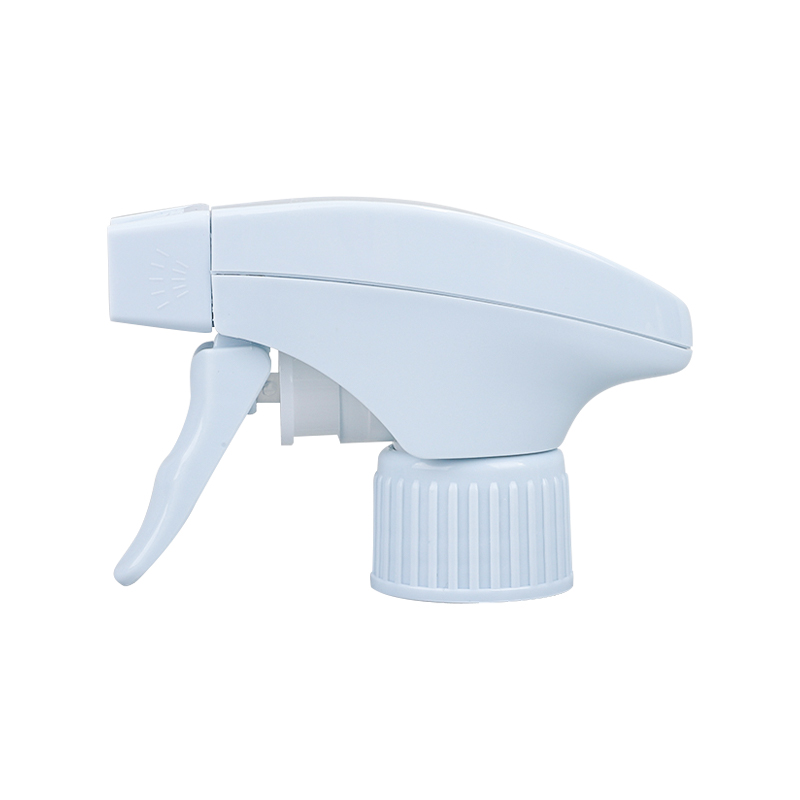
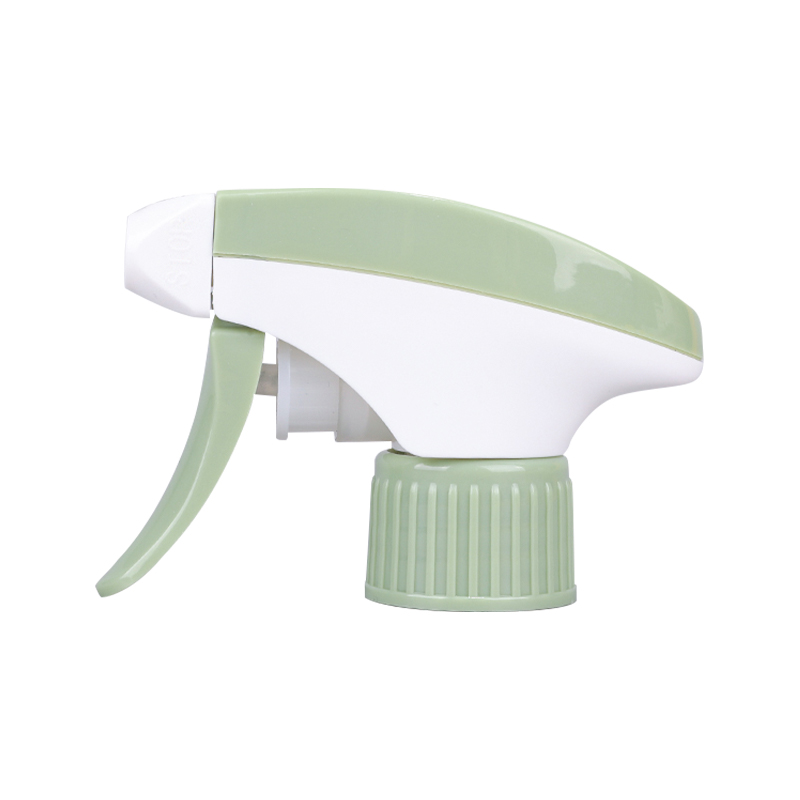
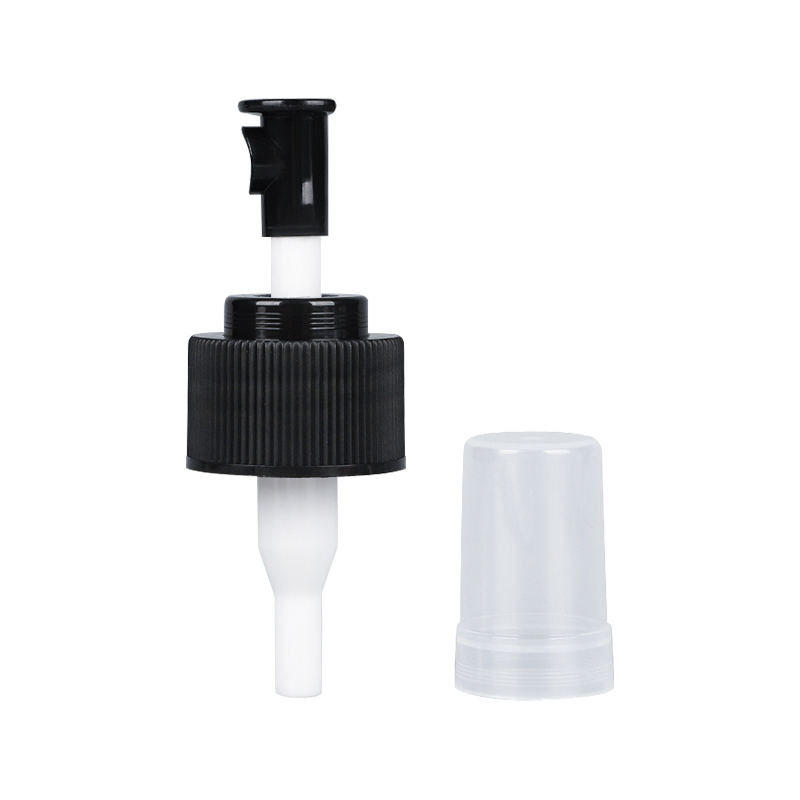 Black High Dose Trigger Sprayer for Large-Area SprayingThis head delivers a higher dose per stroke with fine, uniform atomization and an adjustable regulator. It suits degreasers, detailing cleaners, and professional users who need more coverage per pull and less hand fatigue during all-day spraying.View Product →
The trade-off is consumption. A head that doubles output empties a bottle twice as fast if habits stay the same, and for concentrated or premium formulas that becomes a cost question. The decision belongs to whoever owns the formula economics, not only the packaging team. Before narrowing the field, it also helps to see the wider spectrum: this guide to plastic trigger sprayer functionality and applications walks through pattern types, closures, and use cases in useful depth.
Formats that fit high flow well tend to share a profile:
- Large-surface cleaning where coverage speed sets the pace of the job
- Professional detailing and janitorial work with high stroke counts per shift
- Dilutable concentrates applied generously, such as garden and outdoor care
- Products positioned on power, where a heavier dose is part of the promise
Inside the Pump: What Governs Flow
A trigger head is a small pump. Every compromise in its chamber, spring, or valve shows up later in the spray pattern, in the actuation force, or in customer returns.
Chamber and stroke
Output is displaced volume: piston diameter multiplied by travel. High flow designs widen the chamber and lengthen the stroke, which raises the dose but also the force per pull. A balanced design keeps actuation comfortable even above two milliliters, because a powerful head that tires the hand defeats its own purpose.
Springs and valves
The spring decides how consistently the piston returns, and the valve decides whether liquid stays where it belongs. Metal-free, all-plastic springs avoid corrosion from aggressive surfactants and solvents, which is why they are common across cleaning-grade triggers. Anti-drip cut-off valves keep the nozzle from weeping between pulls, a small detail customers notice within days of the first fill.
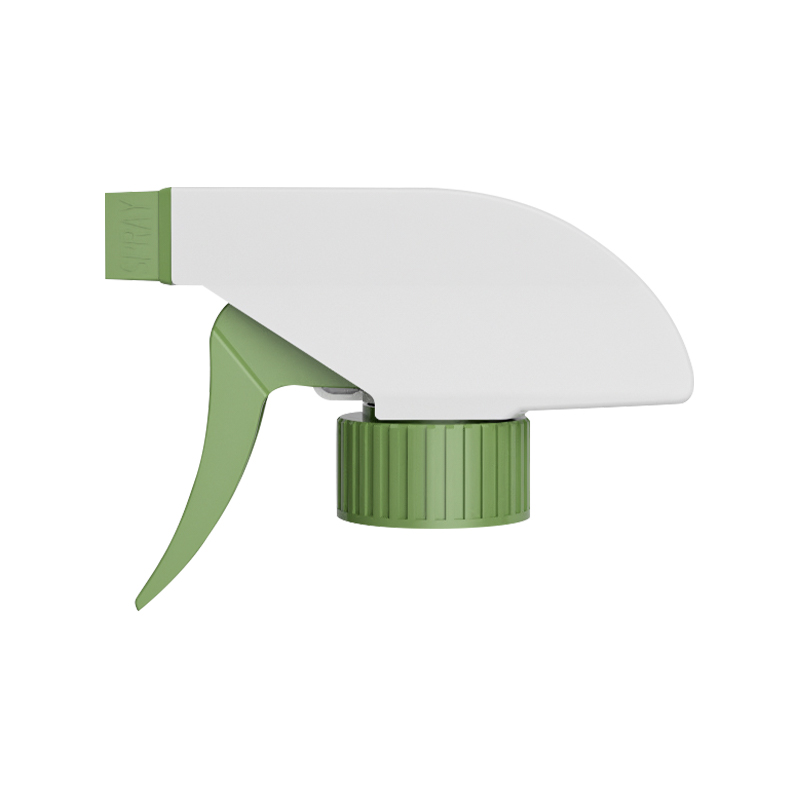 Metal-Free Spring Trigger Sprayer for Cleaning FormulasWith an all-plastic spring, this trigger resists rust and corrosion from aggressive surfactants and solvents. Combined with a reliable valve, it keeps spray performance stable over long-term use, making it a solid choice for cleaning-grade packaging.View Product →
Viscosity and priming
A high flow head tuned for water-thin cleaner may starve on a gel. Thicker formulas need wider internal passages and a spring strong enough to re-prime the chamber after each stroke. The dip tube matters too: its length must match the bottle from the closure seat to the bottom corner, and an angled cut keeps priming reliable as the level falls.
Standard vs. High Flow at a Glance
The differences are easiest to compare side by side.
Typical industry ranges; exact output depends on pump geometry, spring strength, viscosity, and how far the trigger is pulled.
| Attribute |
Standard Trigger |
High Flow Trigger |
| Output per stroke |
About 0.8 to 1.3 mL |
About 1.5 to 2.5 mL or more |
| Strokes to empty 500 mL |
Roughly 400 to 600 |
Roughly 200 to 330 |
| Best-fit tasks |
Light cleaning, misting, spot work |
Degreasing, large surfaces, commercial use |
| Hand fatigue over a shift |
Higher stroke count |
Fewer pulls, lower strain |
| Liquid consumption |
Economical |
Faster; watch formula cost |
| Common patterns |
Mist, stream |
Stream, wide fan, foam |
Compatibility, Testing, and Procurement Risks
Match the neck and the bottle
Most triggers mount on a 28/410 or 28/400 neck finish, but "most" is not a specification. Confirm closure torque, gasket material, and dip tube reach against the production bottle, including any shoulder curvature that can leave a pocket of liquid the tube cannot reach.
Resist the formula, not just the shelf
Solvent-heavy, acidic, or peroxide formulas are hard on standard internals. Seals can swell, springs can stiffen, and output can drift within weeks of filling.
Warning: if the formula is aggressive, specify chemically resistant plastics and a metal-free spring before tooling is cut. Adding resistance after launch usually means a new mold and a relaunch.
Info: validate with the finished formula at fill temperature, not with water. Record output per stroke, priming pulls, pattern consistency, and weight loss after accelerated storage.
Keep e-commerce bottles dry
Small-parcel shipping drops, compresses, and pressurizes a bottle in ways a retail shelf never will. Locking nozzles, tight cut-off valves, and leak-tested closures have become baseline expectations for cleaning products sold online, and several major marketplaces now treat leak performance as a formal packaging requirement.
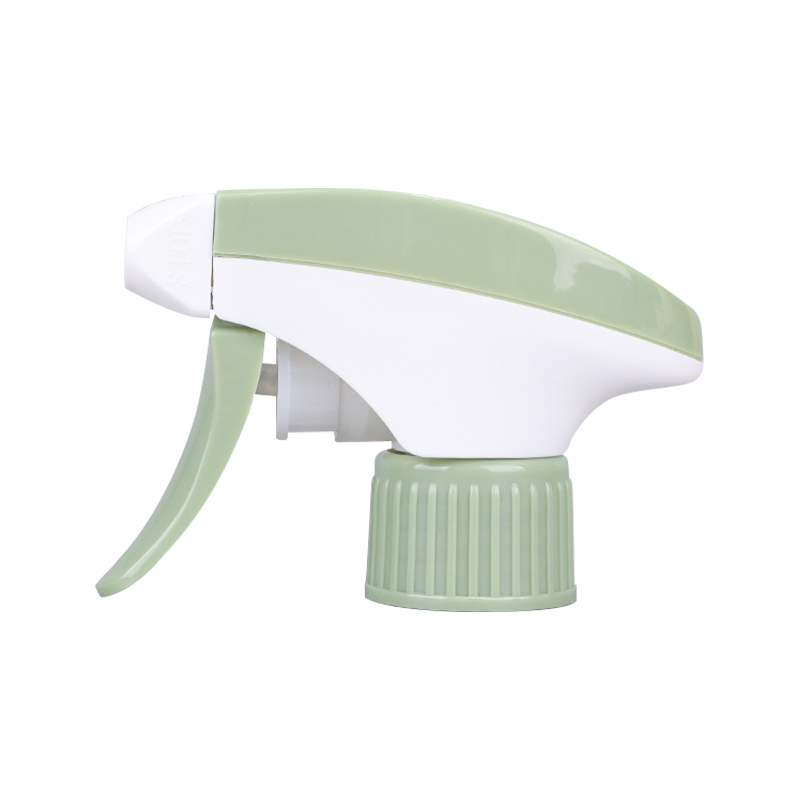 Leak-Proof Plastic Trigger Sprayer for Shipping-Safe PackagingIts precise sealing structure prevents weeping or leakage during transport and storage. With locking nozzles and leak-tested performance, it meets the baseline expectations of online cleaning product sales and marketplace packaging requirements.View Product →
What a Manufacturer Adds Beyond the Catalog
Output numbers in a catalog assume consistent tooling. Tolerances on the piston, chamber, and valve seat decide whether unit ten thousand sprays like unit ten. That is where vertical integration shows its value: when development, precision mold making, injection molding, automated equipment, and assembly sit under one roof, output per stroke stays stable across production runs and across years.
EAED, based in Yuyao, Zhejiang, has produced spray pump heads for cleaning, personal care, fragrance, and cosmetic packaging for more than three decades, and operates within short reach of the ports of Ningbo and Shanghai. For a packaging team, the practical value is responsiveness: dose adjustments, material changes, and closure revisions can be engineered and tooled without a project crossing several suppliers.
A Five-Step Selection Checklist
- Define the job first: surface size, session length, and how many pulls per bottle a user will tolerate.
- Set the dose target in milliliters per stroke, then let it drive chamber and spring choices.
- Verify neck finish, closure torque, and dip tube length against the production bottle, not a lab sample.
- Test the finished formula for output, priming, pattern, and leakage through temperature and vibration cycles.
- Match the closure specification to the sales channel: retail shelf, professional distribution, or e-commerce parcel.
Success: a head that primes within two pulls, holds its pattern from a full bottle down to the last tenth, and passes leak testing without a locking clip that fights the user is a specification worth committing to.
The high flow trigger sprayer is not a luxury specification. It is a precise answer to a plain question: how much liquid does this job need per pull, and what does that cost the hand, the formula, and the shipping box? Brands that answer deliberately end up with heads that feel effortless and bottles that arrive dry.
When output, economy, and leak behavior have to be balanced for a cleaning, detailing, or garden line, it is worth working with a manufacturer that builds these heads daily. EAED's trigger sprayer range spans standard, all-plastic, leakproof, and inverted designs, alongside the high-dose heads described above.

 English
 русский
 Français
 Español
 italiano