-
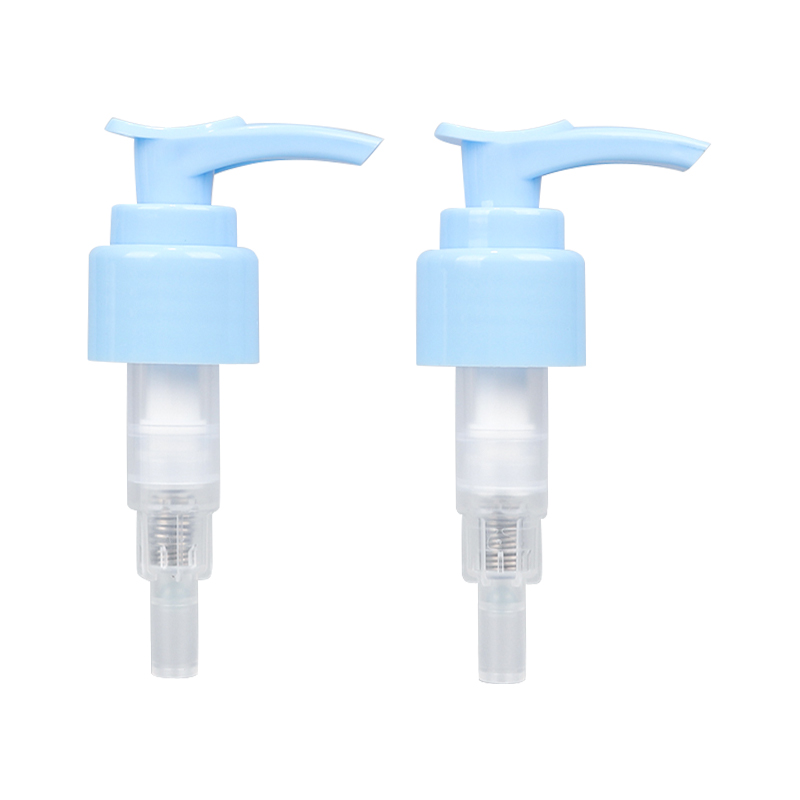
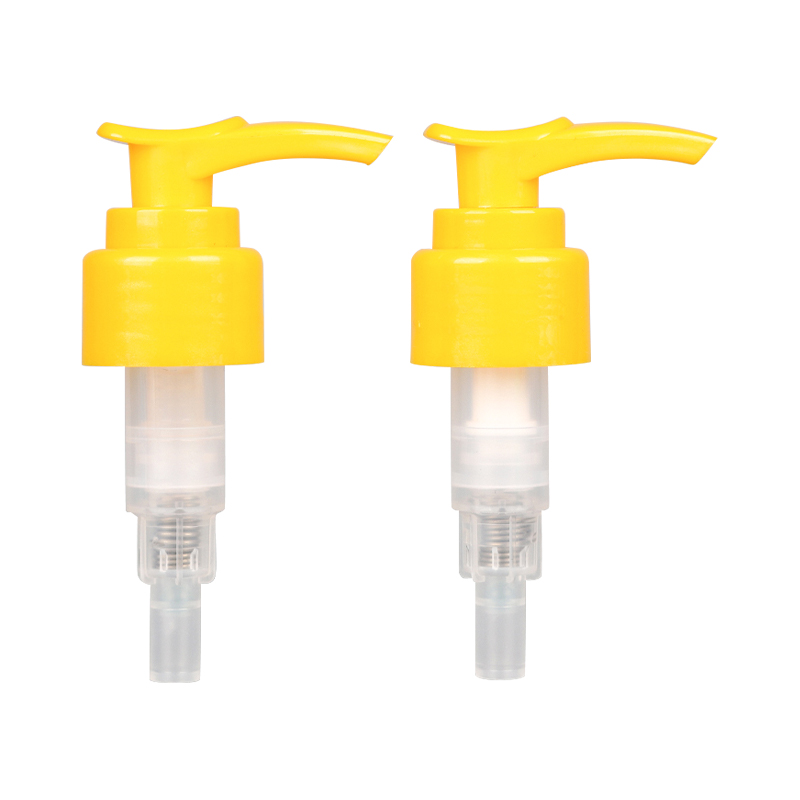
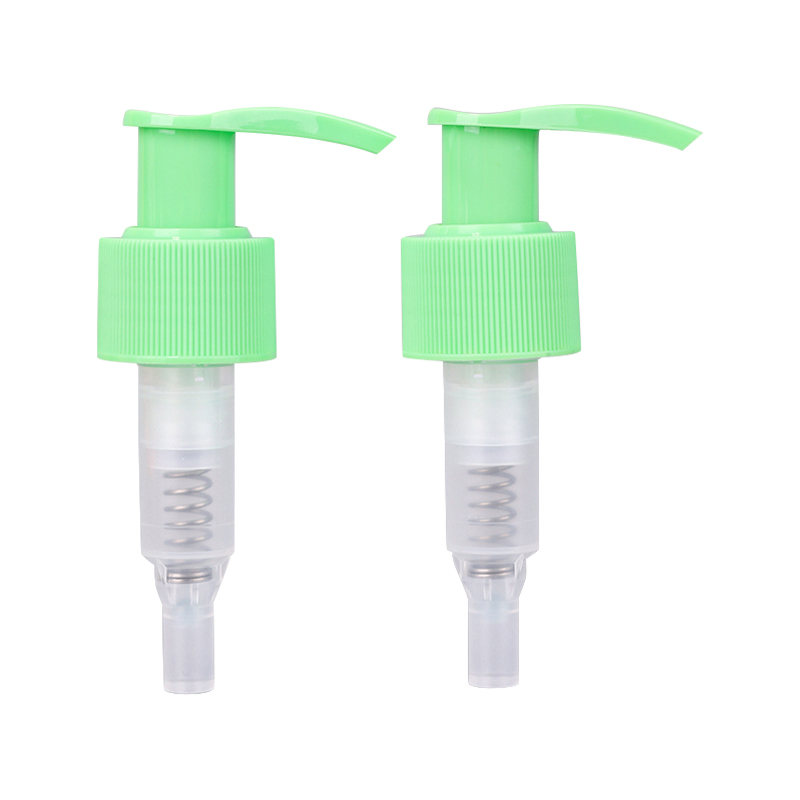
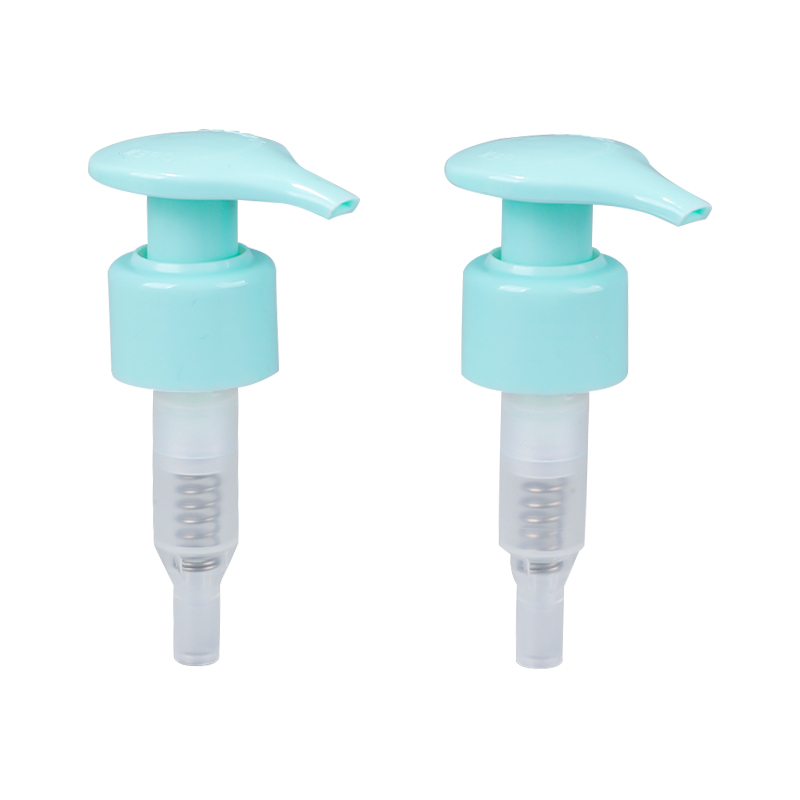
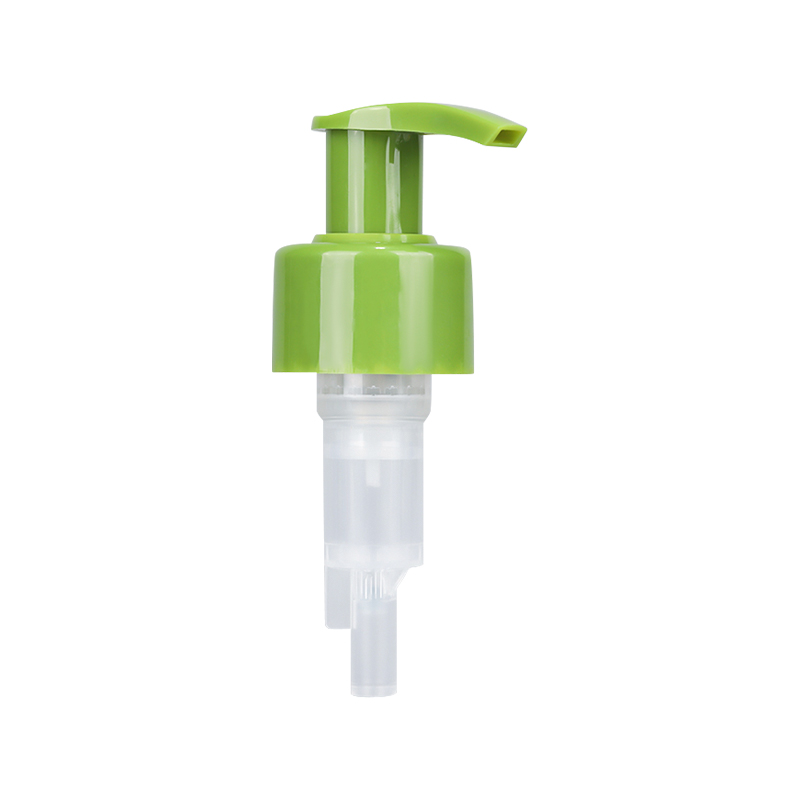
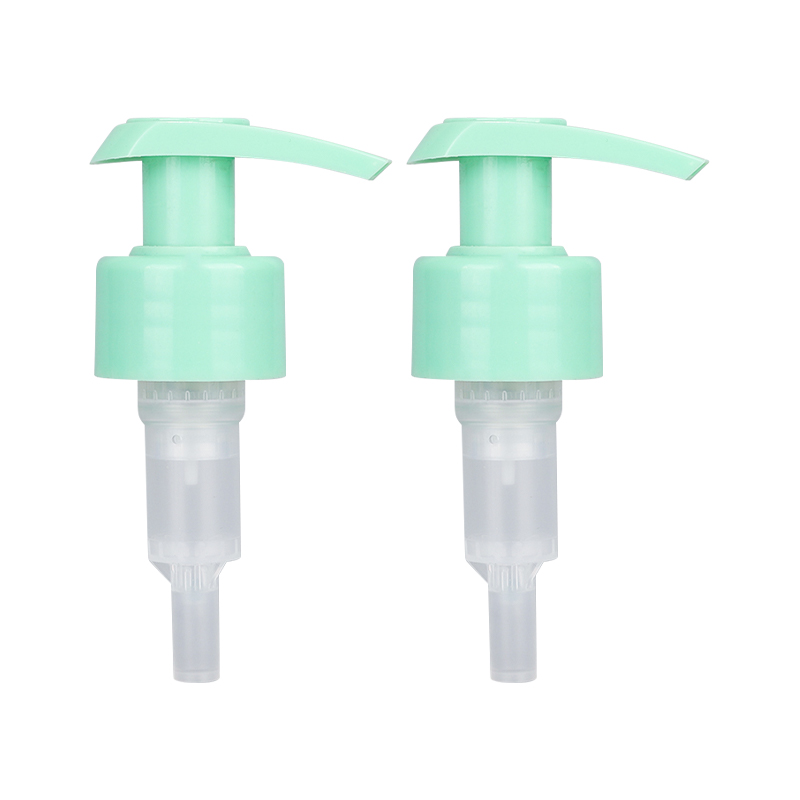
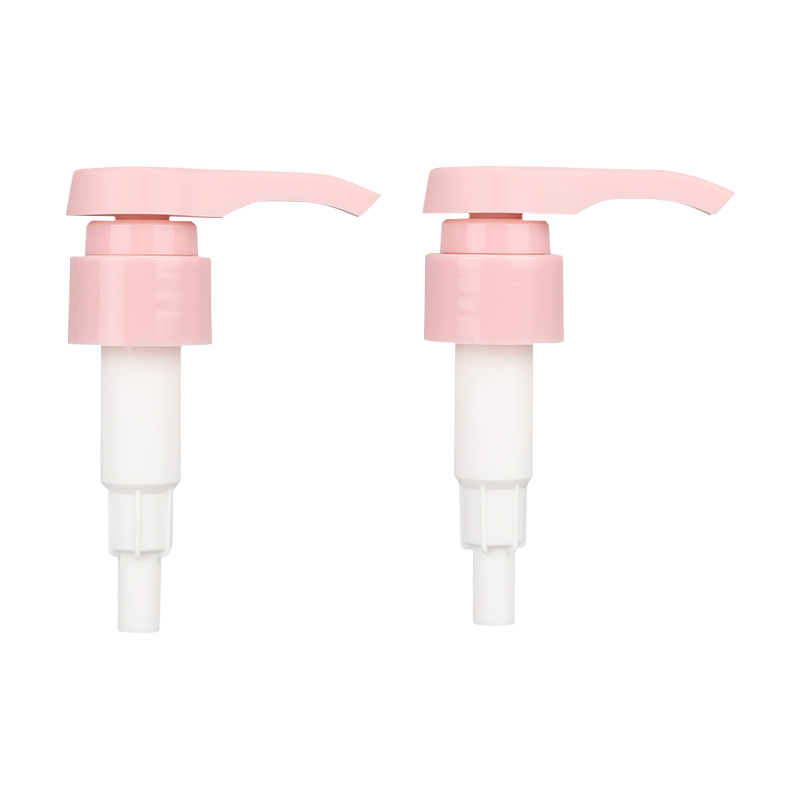
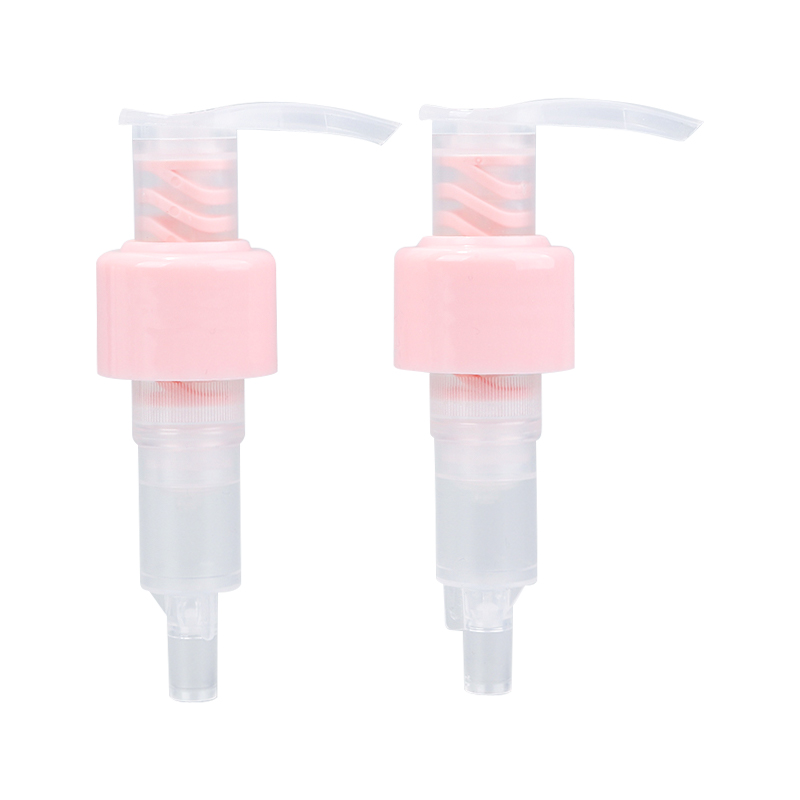
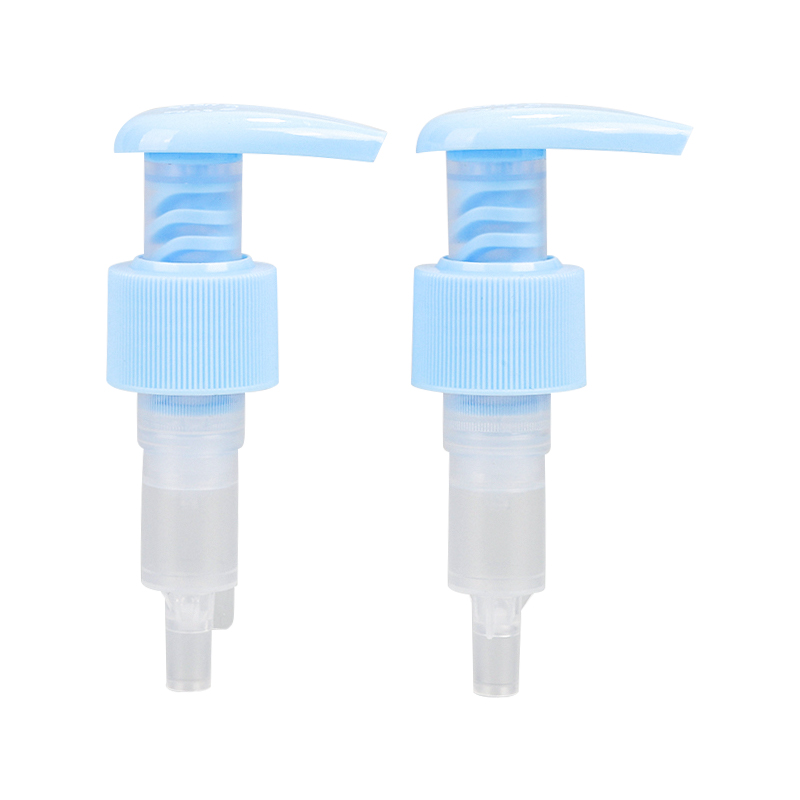
Pump Chamber and Actuator Geometry — The internal geometry of the pump chamber and the actuator design are foundational in determining how smoothly a cream is drawn and dispensed. Larger chambers allow more cream to be dispensed per actuation, which can increase flow rate, but if the chamber is too large relative to the cream viscosity, the actuator may require excessive force, making dispensing difficult or uneven. Conversely, smaller chambers provide more precise portion control but may struggle with thicker creams if the pressure generated is insufficient. Rounded and polished internal surfaces reduce turbulence and friction, allowing both low-viscosity lotions and highly viscous creams to move freely through the pump. Actuators with ergonomic, broad surfaces distribute pressure evenly across the user’s hand, facilitating consistent flow while minimizing fatigue. The interaction between chamber volume and actuator design is therefore critical for achieving both a smooth flow and the desired dispensing volume, particularly when handling high-viscosity cosmetic or pharmaceutical creams.
-
Piston and Spring Mechanism — Most Cream Pumps employ a piston or plunger driven by a spring to create suction that draws the product into the chamber and expels it through the nozzle. The characteristics of this mechanism—spring tension, stroke length, and piston fit—directly impact the pump’s ability to handle creams of varying viscosities. Thick creams require stronger springs or longer strokes to generate sufficient pressure to move the product without stalling, whereas lighter lotions need lower spring resistance to prevent over-dispensing and splatter. The precision of the piston-to-cylinder fit also matters: too tight and the pump becomes difficult to actuate; too loose and leaks or inconsistent dosing may occur. High-quality pumps achieve a balance where the piston provides sufficient suction and ejection pressure for the target cream viscosity while maintaining consistent dosing across repeated use.
-
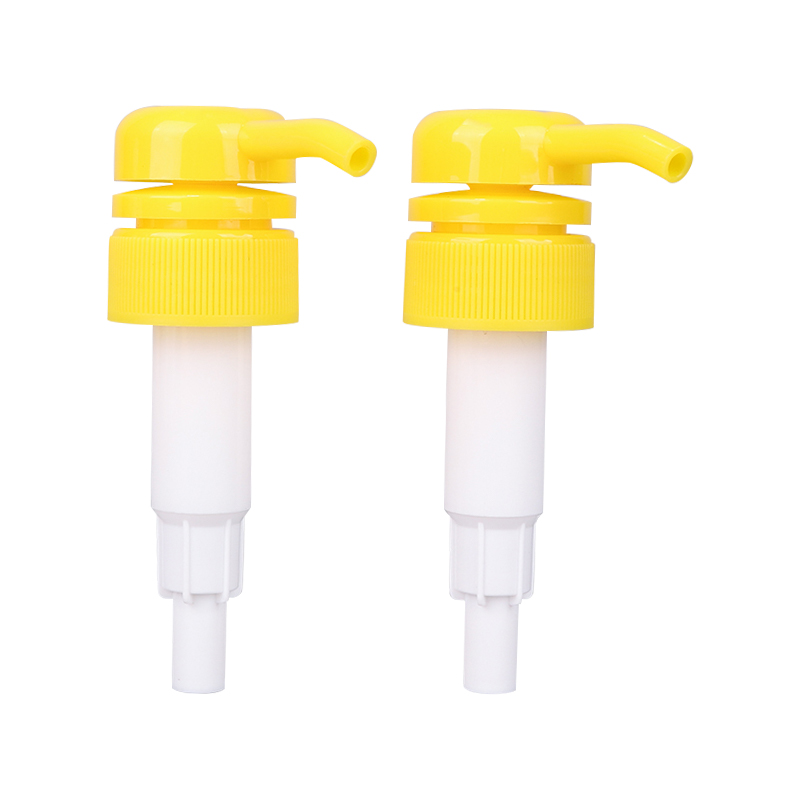
Nozzle or Orifice Design — The nozzle is the final conduit through which the cream exits the pump, and its size, shape, and internal tapering play a critical role in flow rate and smoothness. Wide, rounded nozzles reduce resistance for high-viscosity creams, allowing them to flow without creating blockages, while narrower nozzles offer controlled streams for thinner lotions, preventing accidental over-dispensing. Some pumps incorporate swirl or angled orifices to create a uniform, smooth flow and reduce splattering. Nozzle design also dictates the maximum achievable flow rate, so selecting appropriate dimensions and taper angles for the intended cream viscosity is vital. By optimizing nozzle geometry, manufacturers ensure the pump delivers a consistent, aesthetically pleasing output without interruption.
-
Air Intake and Vacuum Compensation Systems — Air management inside the pump ensures smooth, continuous dispensing. Many pumps incorporate air intake channels or vacuum compensation features to prevent “vacuum lock,” which can cause uneven flow or sputtering, particularly with thick creams. These mechanisms allow air to replace displaced product or maintain balanced internal pressure during actuation. Advanced designs sometimes use dual-stage pumping, where the first stage primes the cream into a secondary chamber before final dispensing, producing smoother, more controlled output. By managing internal pressure dynamics, the pump can handle a broad range of viscosities without compromising flow consistency.
-
Material Selection and Surface Finish — The materials used for pump components and their surface finish directly influence resistance, friction, and product adhesion. Polymers with low friction coefficients, polished metals, or chemically resistant coatings help viscous creams slide smoothly through the chamber and nozzle, reducing effort and preventing clogging. For thick creams with high oil or wax content, non-stick surfaces reduce drag and minimize product retention inside the pump, ensuring full delivery and consistent dosing. Material selection also impacts chemical compatibility, ensuring that reactive ingredients do not degrade the pump over time or alter the cream’s performance.
-
Actuation Force and Ergonomics — Ergonomic design of the actuator affects not only user comfort but also the smoothness and consistency of dispensing. Larger actuator surfaces or lever-assisted designs reduce the physical force required to dispense thick creams, preventing jerky movements or sudden surges that can disrupt smooth flow. Pumps intended for lighter creams or lotions feature lighter spring mechanisms and smaller actuator surfaces to maintain precise control and prevent over-dispensing. Ergonomics and actuation mechanics must therefore be matched to cream viscosity and typical usage patterns to ensure consistent performance across repeated use.
-
Adjustable or Multi-Stage Pump Features — Some advanced Cream Pumps incorporate adjustable stroke lengths, multi-stage actuation, or variable output settings to accommodate creams of different viscosities. For example, a two-stage pump may use an initial priming stroke to draw viscous cream into a secondary chamber, followed by a second stroke for controlled ejection. Adjustable outlets allow users or manufacturers to fine-tune the volume per actuation, optimizing flow for either thick or thin formulations. Multi-stage and adjustable features improve versatility, enabling a single pump design to handle a range of product viscosities while maintaining smooth flow and accurate portion control.

 English
 русский
 Français
 Español
 italiano