How Nozzle Adjustability Impacts Spray Patterns
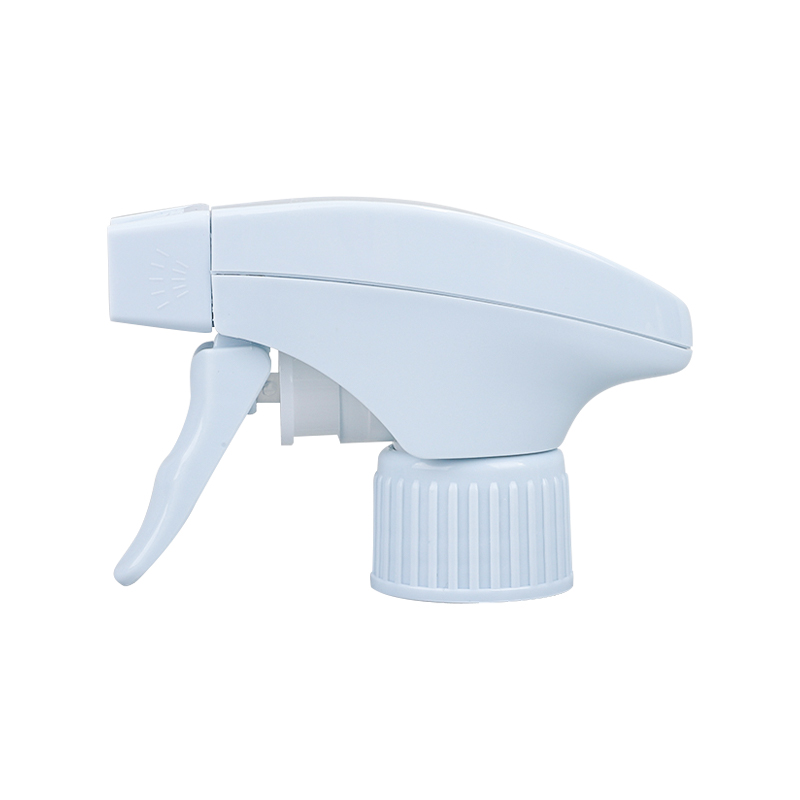
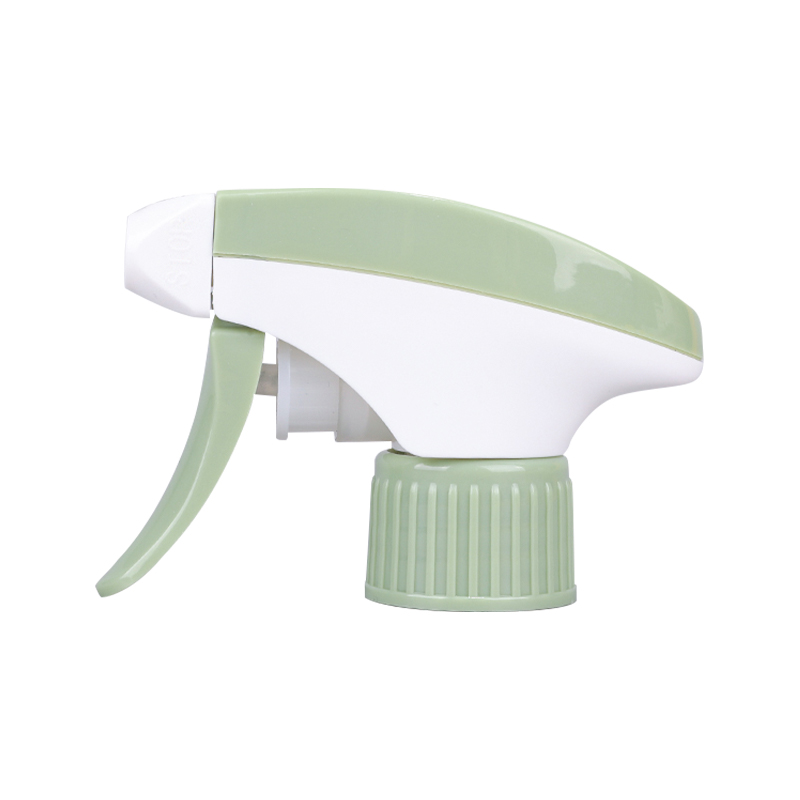
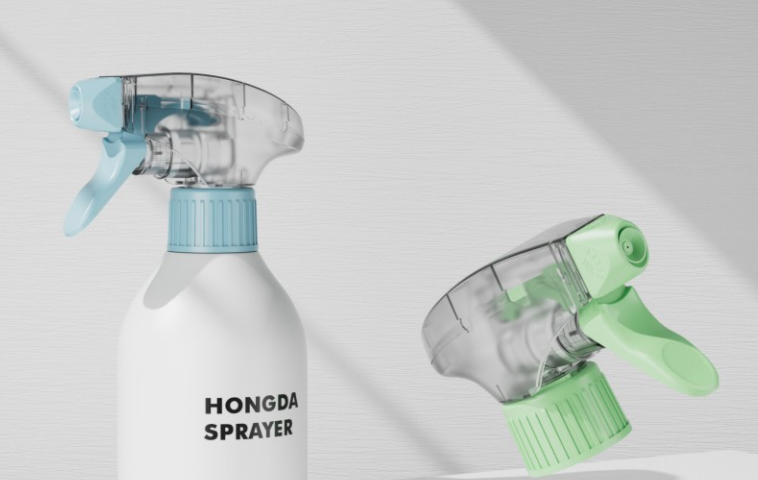
Nozzle adjustability in a Trigger Sprayer or trigger pump sprayer directly controls the spray pattern, droplet size, and liquid distribution efficiency. By rotating or adjusting the nozzle tip, users can switch between fine mist, medium spray, and concentrated stream. This flexibility allows the same trigger pump sprayer to be used across multiple applications, from delicate surface coverage to targeted cleaning. Fine mist settings can produce droplets as small as 50–100 microns, while stream settings can deliver concentrated flow with minimal dispersion.
In practical terms, this means that nozzle adjustability determines not only how liquid is delivered but also how effectively it performs its intended task. A poorly adjusted nozzle in a trigger pump sprayer may lead to uneven coverage, wasted product, or insufficient cleaning power.
Types of Spray Patterns in a Trigger Pump Sprayer
A trigger pump sprayer typically offers multiple spray patterns depending on nozzle adjustment. Each pattern serves a specific purpose and affects application efficiency.
- Fine Mist: Produces a wide, even distribution ideal for disinfectants, plant care, and surface coating.
- Medium Spray: Balances coverage and force, commonly used for household cleaning tasks.
- Jet Stream: Delivers a concentrated, high-pressure stream for targeted cleaning or stubborn dirt removal.
Studies in cleaning efficiency show that mist sprays can increase surface coverage by up to 40%, while jet streams improve localized cleaning force by over 60%.
Relationship Between Nozzle Design and Droplet Size
The internal geometry of a Trigger Sprayer nozzle plays a critical role in determining droplet size. Adjustable nozzles modify the flow path and pressure, which directly influences atomization in a trigger pump sprayer system.
Smaller droplet sizes (50–150 microns) are achieved through tighter nozzle openings and higher internal pressure, while larger droplets (200–500 microns) result from wider openings.
Additionally, the design of the blunt tube inside a trigger pump sprayer influences liquid uptake consistency. A blunt tube ensures smoother fluid intake and reduces air suction, which helps maintain a stable spray pattern.
Efficiency and Product Usage Optimization
Nozzle adjustability in a Trigger Sprayer or trigger pump sprayer significantly impacts how efficiently a liquid product is used. Incorrect spray settings can lead to overuse or underperformance.
Optimized nozzle settings can reduce liquid waste by up to 30% while improving application accuracy. For example, using a mist setting for large surfaces ensures even distribution with minimal product, whereas a stream setting prevents overspray when targeting specific areas.
The integration of a well-designed blunt tube in a trigger pump sprayer further enhances efficiency by ensuring maximum liquid extraction from the container, minimizing leftover residue.
Practical Applications Across Different Industries
The versatility of nozzle adjustability allows a single trigger pump sprayer to be used across multiple industries. Different spray patterns are suited to different tasks.
Common Trigger Pump Sprayer Applications and Recommended Spray Patterns
| Application |
Recommended Pattern |
Reason |
| Surface Disinfection |
Fine Mist |
Even coverage and fast drying |
| Glass Cleaning |
Medium Spray |
Balanced distribution and control |
| Grease Removal |
Jet Stream |
High pressure for stubborn dirt |
| Plant Care |
Fine Mist |
Gentle application without damage |
Impact on User Experience and Ergonomics
Nozzle adjustability in a trigger pump sprayer also affects user experience. The ability to quickly switch spray patterns enhances usability and reduces fatigue.
Ergonomic studies indicate that adjustable sprayers can reduce repetitive strain by up to 20% by allowing users to select the most efficient spray mode for each task.
Furthermore, a properly designed blunt tube ensures smooth liquid flow, reducing the need for repeated trigger pulls and improving overall comfort during extended use of a trigger pump sprayer.
Common Issues and Optimization Tips
While nozzle adjustability offers many benefits, improper use in a trigger pump sprayer can lead to issues such as clogging, inconsistent spray, or leakage.
- Ensure the nozzle is not overly tightened, which can restrict flow.
- Clean the nozzle regularly to prevent buildup from chemical residues.
- Check the blunt tube for blockages to maintain consistent liquid uptake.
- Use compatible liquids to avoid corrosion or clogging.
Proper maintenance can extend the functional lifespan of a trigger pump sprayer by up to 50%.
Nozzle adjustability is a defining feature of a Trigger Sprayer and trigger pump sprayer that directly influences spray patterns, efficiency, and usability. From controlling droplet size to optimizing liquid distribution, it enables users to adapt the sprayer to a wide range of tasks.
Combined with a reliable blunt tube design, an adjustable nozzle enhances performance, reduces waste, and improves user satisfaction, making it an essential component in both household and industrial applications.

 English
 русский
 Français
 Español
 italiano